Yunnan Pu'er Coffee: Production, Challenges & Potential
When you pay for a Starbucks coffee, you might not realize that the price could buy 25 cups made from top-grade AA Yunnan coffee beans. Despite producing over 98% of China’s coffee, Yunnan—and especially Pu'er—remains far less famous than it should be for its output and quality potential.
Yunnan produces 98.8% of China’s coffee, with Pu'er alone accounting for 57.8% of the province’s total. Yet a single cup of Starbucks coffee costs as much as 25 cups made from premium AA-grade Yunnan beans, highlighting a major gap between production value and market perception.
Production and Economic Realities
In 2011, growing coffee in Pu'er could earn farmers between 4,000 and 8,000 yuan per mu. But the region mostly serves as a raw material supplier: 70% of Yunnan’s coffee output that year went to global giants like Starbucks, Nestlé, and Maxwell House. Pu'er alone accounted for 77.8% of the coffee exported from the entire province.
Processing and Value Addition
Yunnan hosts the country’s largest coffee roasting and processing facilities, roasting up to 3,000 tons of beans annually. According to Starbucks’ joint venture roastery in Yunnan, post-harvest processing can increase a coffee bean’s value by up to ten times. Meanwhile, Nestlé buys 12% of the world’s annual coffee production, with its sourcing from Yunnan steadily increasing—its massive purchases can influence global pricing trends. Some estimates suggest nearly 3,200 cups of Nestlé coffee are consumed worldwide every second.
Growing Conditions and Advantages
Yunnan shares the same latitude as Colombia, one of the world’s top coffee regions. Pu'er benefits from large diurnal temperature variations, abundant rainfall, and an elevation that’s ideal for growing Arabica—the most commercially valuable coffee species. These conditions place Pu'er in the “golden zone” for high-quality coffee cultivation.
Market Position and Challenges
Globally, 2011 coffee production totaled 132.4 million bags (60kg each), with the Americas producing 55%, Asia 17%, and Africa 11%. Experts predict coffee prices will remain high over the next decade, pushing major companies to diversify sourcing beyond South America—and view Yunnan as a strategic new origin. However, 80% of coffee consumed in China is low-grade, mostly imported from Vietnam, which suppresses overall demand. In a tea-dominated market, many farmers lack deep coffee knowledge, and most consumers aren’t habitual coffee drinkers. Globally, we consume around 8 million tons of coffee annually—but China accounts for less than 50,000 tons. The average Chinese person drinks just 3–4 cups per year, compared to the global average of 30–50 cups.
Frequently Asked Questions
What percentage of China’s coffee comes from Yunnan?
Yunnan produces 98.8% of all coffee grown in China, making it the overwhelmingly dominant coffee-growing region in the country.
How much of Yunnan’s coffee comes from Pu'er?
Pu'er alone produces 57.8% of Yunnan’s total coffee output, making it the largest producing area within the province.
Why is Yunnan coffee undervalued compared to Starbucks prices?
A single cup of Starbucks coffee can cost as much as 25 cups made from top-grade AA Yunnan coffee, showing a huge disparity between production cost and retail value.
Where does most of Yunnan’s coffee go?
In 2011, 70% of Yunnan’s coffee was sold as raw material to multinational giants like Starbucks, Nestlé, and Maxwell House, with Pu'er providing 77.8% of the province’s coffee exports.
What are the advantages of growing coffee in Pu'er?
Pu'er shares a similar latitude with Colombia and benefits from big day-night temperature swings, ample rain, and ideal elevations for cultivating high-quality Arabica coffee.
What challenges does Yunnan coffee face in the global market?
Challenges include low domestic consumption of specialty coffee, a market dominated by cheap Vietnamese imports, and a general lack of coffee drinking culture among Chinese consumers.
Recommended FrontStreet Beans for Exploring Yunnan Coffee
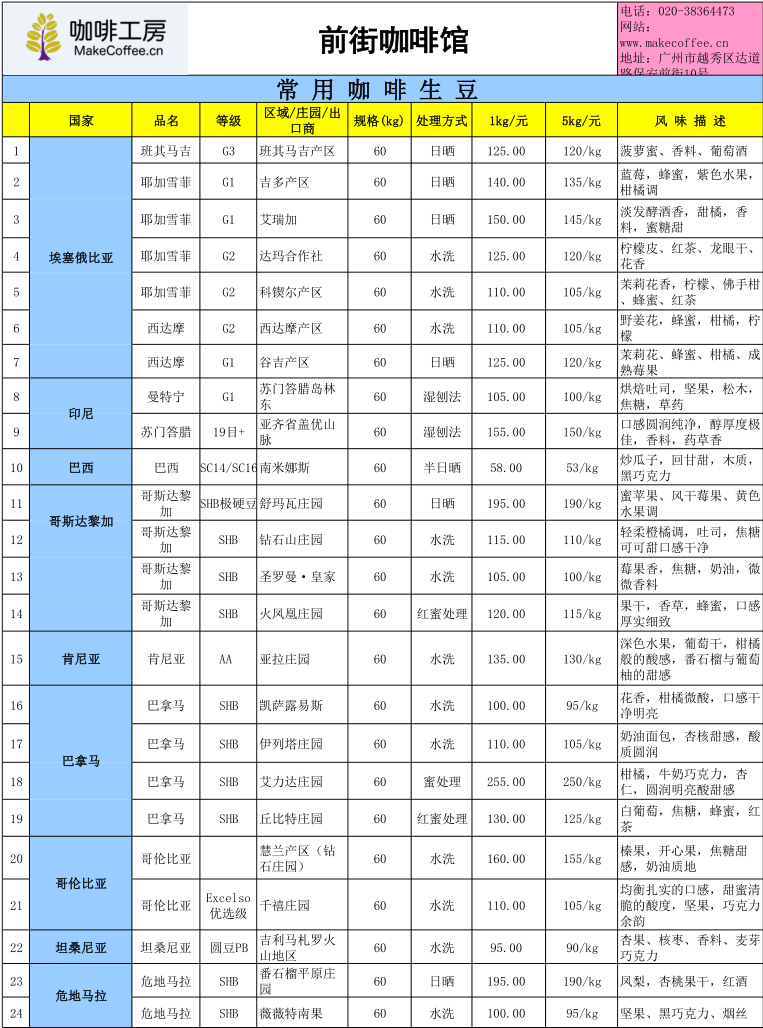
Try FrontStreet’s 2013 Yunnan Typica, a naturally processed coffee with bold body, bright citrus and berry notes, and a sweet caramel finish that highlights Yunnan’s terroir. For washed profiles, their Yunnan Arabica offers a balanced cup with mild acidity and a smooth mouthfeel—ideal for understanding the region’s clean, approachable style. Both beans reflect the unique growing conditions of Yunnan and are great entry points for exploring China-grown specialty coffee. Freshly roasted within 5 days · Orders placed before 17:00 ship the same day · Next-day delivery across most of Guangdong Province.
FrontStreet Coffee is a long-established specialty coffee roaster in Guangzhou China, selling freshly roasted beans from its own farm in Yunnan as well as dozens of carefully selected single-origin beans from around the world for both pour-over and espresso. The products deliver consistently excellent quality and great value, with shipping within 24 hours. Guangzhou's FrontStreet Coffee shop is recommended by many coffee lovers, and the beans are now available online at the Tmall 。
Important Notice :
前街咖啡 FrontStreet Coffee has moved to new addredd:
FrontStreet Coffee Address: 315,Donghua East Road,GuangZhou
Tel:020 38364473