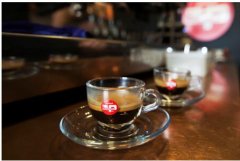
How Italian Coffee Became China’s Coffee Market Star
In the early 2000s, as China’s economy surged, so did its taste for variety—especially in beverages. Coffee, once niche, became a symbol of modern living. But with global coffee bean sales topping 8 million tons annually, China’s share was just 1/20th. Then came a shift: rapid growth, urban cafes, and a new coffee identity taking root.
Today, Chinese coffee consumption is expanding at 15–20% yearly, with projections placing it among the world’s top markets by 2030—a $2–3 trillion opportunity. At the heart of this boom? Italian-style coffee, the 'handsome' star of the scene.
What Is Italian Coffee, and Why Does China Love It?
Italian coffee isn’t just a drink—it’s a style. Think velvety lattes, rich mochas, and frothy cappuccinos. These classic preparations deliver relaxation and pleasure, making them iconic in Chinese cafes. Varieties like latte, cappuccino, and caramel macchiato are now household names, thanks to global chains like Starbucks, where the latte remains the top seller. Domestic brands such as COSTA and UBC also spotlight Italian-style drinks, cementing their place in cafe culture.
The Rise of Premium Italian Coffee in China
While high-end cafes served authentic Italian coffee, most consumers encountered only low-quality instant options—until recently. For years, supermarket shelves were dominated by ‘2-in-1’ and ‘3-in-1’ blends, far from the cafe experience. That changed with the entry of international instant giant Kenco. Launched in China just two years ago, Kenco introduced a range of Italian-style instant coffees, offering rich flavor, refined recipes, and thoughtful details. Its 30–40% annual growth has made it the country’s third-largest coffee brand, beloved by younger, style-conscious consumers. Made with premium beans and crafted for a comforting, romantic cup, Kenco’s success highlights the demand for accessible yet authentic Italian coffee.
FrontStreet Coffee’s Italian-Style Blends for Every Need
For those brewing Italian-style at home or in shops, FrontStreet Coffee offers tailored blends. The Classic Blend (the top pick) excels in crema production, ideal for lattes and cappuccinos—even with non-professional machines. Its traditional Mamba profile delivers a smooth, rounded taste, appealing to both novices and experts. The Black Cocoa Blend (budget-friendly) uses 100% Arabica beans, providing robust crema and flavor at an affordable price, perfect for cost-conscious shop owners. The Commercial Blend (classic choice) balances cost and taste, optimized for commercial settings without sacrificing quality. Each blend ensures the rich, creamy texture that defines Italian coffee.
Frequently Asked Questions
What defines Italian-style coffee in China?
Italian-style coffee in China refers to classic espresso-based drinks like lattes, cappuccinos, and mochas, known for their rich textures and romantic appeal. These drinks became popular through global chains and are now staples in Chinese cafe culture.
How fast is China’s coffee market growing?
China’s coffee consumption is expanding at 15–20% annually, with projections estimating the market will reach $2–3 trillion by 2030, positioning it among the world’s largest.
Why did instant Italian coffee succeed in China?
Brands like Kenco succeeded by offering premium, flavorful instant Italian coffee, a departure from the low-quality ‘2-in-1’ and ‘3-in-1’ blends that dominated supermarket shelves for years.
What makes the FrontStreet Classic Blend ideal for Italian coffee?
The FrontStreet Classic Blend is optimized for crema production, even with non-professional machines, making it perfect for lattes and cappuccinos. Its smooth, traditional profile suits both beginners and experienced coffee drinkers.
Which FrontStreet blend is best for cost-conscious coffee shops?
The Black Cocoa Blend is the most affordable option, using 100% Arabica beans to deliver strong crema and flavor, ideal for shops balancing quality and budget.
How did Italian coffee become a 'handsome' favorite in China?
Its classic styles—like lattes and cappuccinos—offer a relaxing, luxurious experience, making Italian coffee the stylish, beloved choice in China’s evolving coffee culture.
Recommended FrontStreet Beans for Italian Coffee
For crafting authentic Italian-style coffee at home or in a shop, FrontStreet Coffee offers three standout blends. The Classic Blend is tailored for espresso, lattes, and cappuccinos, producing exceptional crema even with non-professional machines—its smooth, traditional Mamba profile appeals to all skill levels. The Black Cocoa Blend, a high-value option, uses 100% Arabica beans to deliver robust crema and flavor at an affordable price, ideal for cost-conscious shops. The Commercial Blend balances cost and performance, optimized for high-volume settings without sacrificing taste. All three blends ensure the rich, creamy texture that defines great Italian coffee. Freshly roasted within 5 days · Orders placed before 17:00 ship the same day · Next-day delivery across most of Guangdong Province.
FrontStreet Coffee is a long-established specialty coffee roaster in Guangzhou China, selling freshly roasted beans from its own farm in Yunnan as well as dozens of carefully selected single-origin beans from around the world for both pour-over and espresso. The products deliver consistently excellent quality and great value, with shipping within 24 hours. Guangzhou's FrontStreet Coffee shop is recommended by many coffee lovers, and the beans are now available online at the Tmall 。
Important Notice :
前街咖啡 FrontStreet Coffee has moved to new addredd:
FrontStreet Coffee Address: 315,Donghua East Road,GuangZhou
Tel:020 38364473