What Makes Sumatran Mandheling Coffee Unique
When you taste a cup of coffee with heavy body, low acidity, and earthy spice notes—think clove, wood, and even a hint of tobacco—it’s likely from Sumatra. But what makes this coffee so distinct? Why does it break the rules of traditional coffee profiles, and how did it get the name 'Mandheling' in the first place? If you’ve ever sipped a bold, syrupy Indonesian brew and wondered what’s behind its unique character, you’re asking the right questions.
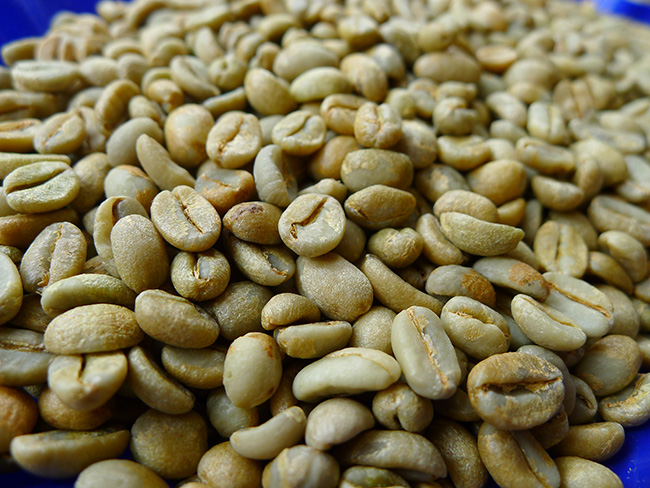
Mandheling coffee is a single-origin coffee from Sumatra, known for its full body, low acidity, and distinctive earthy, spicy flavours. Two key types are DP Grade 1 and Aged Mandheling, with the latter often aged for three years before export. The unique wet hulling (or Giling Basah) process gives it that signature heavy mouthfeel.
The Origins of the Name 'Mandheling'
The name 'Mandheling' doesn’t come from the coffee itself—but from a wartime misunderstanding. During World War II, Japanese soldiers in Indonesia asked a coffee shop owner about the name of the coffee they were drinking. Mistaking their question for one about his ethnicity, the owner replied 'Mandheling'. The soldiers then associated the coffee with that name. Though the story is anecdotal, it explains the label. In fact, the name 'Mandheling' appeared earlier—in Sears’ 1903 wholesale catalog as 'Java Mandheling'—proving its commercial use well before the mid-20th century.
Where Mandheling Coffee Comes From
Sumatra has been growing coffee since the 18th century. The island is now Indonesia’s largest producer of both Arabica and Robusta beans, accounting for over 60% of the country’s output. Most Arabica is grown in the high-altitude regions of Aceh (near Lake Tawar in the Gayo Mountains) and North Sumatra Province (especially around Lake Toba). These areas—Aceh for brighter, more aromatic profiles and North Sumatra for deeper, earthier tones—are where Mandheling coffee thrives.
Aceh’s Gayo region, near Lake Tawar, features lush vegetation and high altitudes, producing Mandheling with a brighter, more nuanced aroma. In contrast, the traditional Mandheling area is around Lake Toba in North Sumatra’s Lintong region. Here, factors like diverse microclimates, specific altitude, and the signature wet hulling process shape its deep, bold profile.
Wet Hulling: The Process Behind the Profile
Sumatra’s frequent rain during harvest makes traditional sun drying unreliable. That led to the development of the wet hulling method, or Giling Basah—a uniquely Sumatran process that heavily influences the coffee’s flavour. Here’s how it works:
- Coffee cherries are depulped and briefly washed.
- The beans, still coated in mucilage, are dried to a semi-dry state (around 30–50% moisture).
- Then, while still damp, the outer parchment layer is mechanically removed—much earlier than in other methods.
- This exposes the green bean directly to air, accelerating drying but also imprinting heavy, earthy, and spicy characteristics.
This process is responsible for Mandheling’s thick body, low acidity, and signature flavours like wood, spice, and sometimes even a muted herbal or tobacco note. It’s polarizing—but for many, it’s the whole point.
Grades and Varieties: DP Grade 1 and Aged Mandheling
Two well-known versions of Sumatran Mandheling are DP Grade 1 and Aged Mandheling:
- DP Grade 1: Despite the unclear meaning of 'DP', it is Indonesia’s highest-grade designation for coffee. All DP-grade beans are considered premium, and Mandheling DP Grade 1 is no exception.
- Aged Mandheling: This coffee is stored in controlled conditions for around three years before export. Contrary to what 'aged' might imply, it doesn’t taste stale—it develops smoother, more balanced complexity, making it especially suitable for espresso blends. The ageing process rounds out harsh edges and can enhance sweetness and body.
PWN Golden Mandheling: The Pinnacle of Mandheling
Among the many Mandheling offerings, PWN Golden Mandheling stands out. Produced by Indonesia’s PWN company, it adheres to exceptionally strict quality standards. Only beans sized 18 mesh or larger are selected, with a maximum of 3 defects per 300g sample to meet G1 grade. Then, three rounds of manual sorting remove nearly all imperfections—resulting in exceptional cleanliness and a pronounced sweetness.
PWN Golden Mandheling is in high demand globally, especially in Japan and the United States, and imports to China are limited. FrontStreet Coffee offers beans with official PWN certification and packaging, ensuring authenticity. These beans typically undergo a medium to dark roast to highlight their inherent spices, deep sweetness, and heavy mouthfeel.
Another classic from the region is Lintong Mandheling, processed with the wet hulling method. It delivers a bold, syrupy cup with low acidity, intense spices, clove and wood notes, and a lasting sweet finish. It’s ideal for those who love a heavier, more rustic coffee experience.
Frequently Asked Questions
Why is Mandheling coffee so earthy and low in acidity?
Mandheling’s earthy, low-acid profile comes from both its growing regions in Sumatra and the wet hulling (Giling Basah) processing method. The beans are dried while still partially covered in mucilage, then hulled early, which accentuates body and imparts spicy, woody, and herbal notes. The climate and processing work together to create its signature heavy, smooth cup.
What does 'DP Grade 1' mean in Mandheling coffee?
'DP' in DP Grade 1 Mandheling is not clearly defined, but it signifies Indonesia’s top coffee grade. All coffee graded DP is considered premium quality. Mandheling DP Grade 1 beans are selected for size, uniformity, and minimal defects, ensuring a high-quality single-origin cup.
What is aged Mandheling coffee?
Aged Mandheling is coffee that has been stored in controlled environments for around three years before being exported. This ageing process smooths out harsh flavours and can enhance sweetness and complexity, making the coffee especially good for blending—particularly in espresso recipes. It doesn’t taste stale; it’s intentionally matured for balance.
Where is Mandheling coffee grown in Sumatra?
Mandheling coffee is primarily grown in two regions of Sumatra: Aceh (especially around Lake Tawar in the Gayo Mountains) and North Sumatra (notably the Lake Toba area in Lintong). Aceh produces brighter, more aromatic cups, while Lintong is known for deeper, spicier, and more earthy profiles due to wet hulling.
What makes PWN Golden Mandheling different?
PWN Golden Mandheling is produced to extremely high standards by Indonesia’s PWN company. Only 18-mesh or larger beans with fewer than 3 defects per 300g are selected, then hand-sorted three times. This results in a very clean cup with intense sweetness, spice, and a heavy body. It’s highly sought after and mostly exported to Japan and the U.S.
How should I brew Mandheling coffee?
Due to its full body and low acidity, Mandheling shines in methods that highlight body and richness, such as French press, cold brew, or espresso blends. For pour-over, use a medium-coarse grind, slightly coarser than standard, to manage the heavy extraction and bring out its spicy, woody notes. A darker roast often enhances its natural sweetness and spice.
Recommended FrontStreet Beans for Mandheling Fans
For a true taste of Mandheling, try FrontStreet Coffee’s PWN Golden Mandheling—renowned for its clean cup, heavy sweetness, and bold spice notes, often enjoyed in Japan and the U.S. Also explore FrontStreet Lintong Mandheling, a classic example of the traditional wet-hulled style with deep wooden and clove-like flavours, syrupy body, and a long sweet finish. Both showcase Sumatra’s signature profile. Freshly roasted within 5 days · Orders placed before 17:00 ship the same day · Next-day delivery across most of Guangdong Province.
FrontStreet Coffee is a long-established specialty coffee roaster in Guangzhou China, selling freshly roasted beans from its own farm in Yunnan as well as dozens of carefully selected single-origin beans from around the world for both pour-over and espresso. The products deliver consistently excellent quality and great value, with shipping within 24 hours. Guangzhou's FrontStreet Coffee shop is recommended by many coffee lovers, and the beans are now available online at the Tmall 。
Important Notice :
前街咖啡 FrontStreet Coffee has moved to new addredd:
FrontStreet Coffee Address: 315,Donghua East Road,GuangZhou
Tel:020 38364473