What Is Mandheling Coffee? Flavor, Processing & Origin Guide
If you’ve ever sipped a cup of Southeast Asian coffee with a thick, syrupy body and almost no acidity—but weren’t sure what made it taste so different—that ‘something’ is likely Mandheling. Grown exclusively on Indonesia’s Sumatra Island, this coffee isn’t just bold; it’s famously smooth, low in acid, and built for pairing with milk or standing up to rich foods. But what exactly is Mandheling? And why does it taste the way it does?
In short: Mandheling is a premium single-origin coffee from Indonesia’s Sumatra region, known for ultra-low acidity, heavy body, and a syrupy, almost chocolatey mouthfeel. The best examples—like PWN Golden Mandheling—have fewer than 3 defects per 300g and are hand-sorted to ensure unmatched clarity and sweetness.
Where Mandheling Coffee Comes From
Mandheling coffee grows exclusively on Indonesia’s Sumatra Island, mainly in two regions: the Lake Toba area of North Sumatra’s Lintong district, and the Gayo Mountains near Lake Tawar in Aceh. These high-elevation zones (1,200–1,500+ meters) provide ideal conditions for growing Arabica, even though Sumatra is better known for robusta. The coffee is commonly (but mistakenly) named after the Mandailing people; the true origin of the name is debated, but it’s become synonymous with Sumatra’s signature Arabica style.
How Sumatra’s Wet Hulling (Giling Basah) Creates Its Signature Profile
Sumatra’s tropical climate—with frequent rain during peak harvest—makes traditional sun drying nearly impossible. To adapt, local producers developed a unique method called wet hulling (or giling basah). Here’s how it works: After harvest, coffee cherries are depulped (skin removed) and briefly washed. The beans, still coated in sticky mucilage, are dried just until they reach a semi-dry state (around 30–50% moisture). Then, while still moist, a machine removes the parchment layer (the thin husk protecting the green bean), exposing the bean directly to air and speeding up final drying. This process breaks down the bean’s cellular structure faster than standard drying, creating Mandheling’s signature heavy body, deep earthy tones, and low acidity. The technique also contributes to its trademark spicy, woody, and sometimes herbal flavor notes.
Flavor Profile: What Makes Mandheling Unique
Mandheling is instantly recognizable to specialty coffee drinkers. Expect a full-bodied cup with a syrupy, almost thick mouthfeel—similar to melted sugar or molasses. Acidity is extremely low (rated ☆☆ out of 5), making it smooth and easy-drinking. The overall balance is exceptional (☆☆☆☆☆), with a heavy, lingering finish that often brings notes of dark wood, herbs, or even a mild cheese-like aroma after roasting dark. On the cupping table, Mandheling scores high for body (☆☆☆☆☆) and balance (☆☆☆☆☆), with a muted acidity that lets its earthy and spicy characteristics shine. When brewed light to medium, subtle floral or fruity notes may appear, but the classic profile emerges fully at medium to dark roasts: think molasses, tobacco, cedar, and clove.
Lintong vs. Aceh (Gayo) Mandheling: Two Distinct Styles
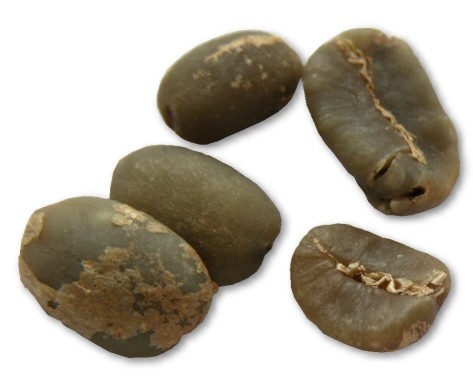
Not all Mandheling tastes the same. The two main regions—Lintong (North Sumatra) and Aceh (Gayo Mountains)—produce distinct profiles due to differences in terroir and processing:
- Lintong Mandheling (e.g., FrontStreet Lintong Mandheling): Grown near Lake Toba, this version is processed with wet hulling and exhibits a rich, bold character. Expect heavy spice notes, deep sweetness, strong woodiness, and a thick mouthfeel. Medium to dark roasts amplify its classic Sumatran profile: cloves, herbs, molasses, and a long, resinous finish. It’s low in acid but intensely flavorful.
- Aceh (Gayo) Mandheling: From higher-altitude farms around Lake Tawar, Gayo Mandheling tends to have a brighter, more floral edge even when processed the same way. Some lots show more fruit or tea-like brightness, though the heavy body and earthy base remain. Both regions benefit from Sumatra’s unique microclimate and microbial environment, but Lintong is the more traditional source of the classic “Mandheling” flavor most coffee drinkers expect.
PWN Golden Mandheling: The Elite Tier
Within the world of Mandheling, one name stands above the rest: PWN Golden Mandheling. Produced by Indonesia’s PWN company, these beans are selected under extremely strict standards. Only beans sized 18 mesh or larger are accepted, and every 300g sample must have fewer than 3 defects to qualify as Grade 1 (G1). Most importantly, PWN applies three rounds of manual sorting to remove every imperfect bean, resulting in extraordinary cleanliness and a sweet, intense cup. The result is a Mandheling that’s smoother, sweeter, and more refined than standard lots—though it’s also much rarer. Most PWN Golden Mandheling is exported to Japan and the U.S., with very limited supply reaching other markets. When you do find it, expect a cleaner, more nuanced version of classic Mandheling: brighter acidity (still low), enhanced sweetness, and a silky mouthfeel, all while retaining that signature heavy body and spice.
Frequently Asked Questions
What is Mandheling coffee?
Mandheling is a premium single-origin Arabica coffee grown exclusively in Indonesia’s Sumatra region, primarily in North Sumatra’s Lintong district and Aceh’s Gayo Mountains. It’s known for its ultra-low acidity, thick syrupy body, and earthy, spicy, or woody flavors—often with notes of molasses, herbs, or wood. The name “Mandheling” is commonly (but inaccurately) linked to the Mandailing ethnic group, but the coffee style is defined by Sumatra’s unique growing conditions and processing methods.
Why does Mandheling coffee have such low acidity?
Mandheling’s low acidity (rated ☆☆/5) comes from a combination of factors: the wet-hulling (giling basah) processing method, Sumatra’s high-altitude terroir, and the specific Arabica varieties grown there. The wet hulling process, which removes the parchment layer while the beans are still moist, breaks down the bean structure faster and reduces perceived acidity. The slow drying and Sumatra’s microbial environment also contribute to its smooth, mellow profile.
What is wet hulling (giling basah) and how does it affect flavor?
Wet hulling is a Sumatra-specific coffee processing method. After depulping and a brief wash, coffee beans (still coated in mucilage) are dried to a semi-dry state (30–50% moisture), then hulled (parchment removed) while still moist. This speeds up drying but also alters the bean’s structure, leading to Mandheling’s hallmark heavy body, low acidity, and earthy, spicy, or woody flavors. The process is essential to the region’s coffee identity and directly creates the thick, syrupy cup profile.
What’s the difference between Lintong and Aceh Mandheling?
Lintong Mandheling (from Lake Toba) is richer, spicier, and woodier, with classic Sumatran traits like molasses, herbs, and clove. Aceh (Gayo) Mandheling, grown at higher altitudes near Lake Tawar, can show slightly more brightness or floral notes but retains the heavy body and earthy base. Lintong is the more traditional source of the classic Mandheling flavor profile most drinkers recognize.
What is PWN Golden Mandheling?
PWN Golden Mandheling is a high-grade Mandheling produced by Indonesia’s PWN company. It uses only 18-mesh+ beans, requires fewer than 3 defects per 300g sample, and undergoes three rounds of manual sorting to ensure exceptional cleanliness and sweetness. It has a cleaner, sweeter, and more refined cup than regular Mandheling, with brighter acidity (still low), enhanced sweetness, and silkier texture—while keeping the classic heavy body and spice. It’s rare outside Japan and the U.S.
How should I brew Mandheling coffee?
Mandheling shines in methods that highlight body and balance, such as French press, AeroPress, or drip with a medium-coarse grind. For espresso, it excels as a single origin or in dark-roast blends, offering thick crema and a bold, spicy profile. Avoid overly light roasts, which may not develop its full sweetness and body. A medium to dark roast is ideal to bring out its classic earthy, woody, and syrupy characteristics.
Recommended FrontStreet Beans for Mandheling Fans
For a true taste of Sumatra, try FrontStreet Lintong Mandheling: rich, spicy, and syrupy with deep wood and herb notes—classic Mandheling profile. Or explore FrontStreet PWN Golden Mandheling: ultra-clean, sweet, and refined with fewer than 3 defects per 300g, offering a smoother, more nuanced version of the style. Both showcase Sumatra’s signature heavy body and low acidity. Freshly roasted within 5 days · Orders placed before 17:00 ship the same day · Next-day delivery across most of Guangdong Province.
FrontStreet Coffee is a long-established specialty coffee roaster in Guangzhou China, selling freshly roasted beans from its own farm in Yunnan as well as dozens of carefully selected single-origin beans from around the world for both pour-over and espresso. The products deliver consistently excellent quality and great value, with shipping within 24 hours. Guangzhou's FrontStreet Coffee shop is recommended by many coffee lovers, and the beans are now available online at the Tmall 。
Important Notice :
前街咖啡 FrontStreet Coffee has moved to new addredd:
FrontStreet Coffee Address: 315,Donghua East Road,GuangZhou
Tel:020 38364473