What Makes Sumatra Mandheling Coffee Unique
If you’ve ever sipped a cup of dark, full-bodied coffee with a deep earthiness and hints of spice—and wondered where that distinct profile comes from—you’re likely tasting Sumatra Mandheling. This Indonesian classic isn’t just strong or bitter; it’s complex, with a texture and aroma that sets it apart in the world of specialty coffee.
Mandheling coffee, grown in Indonesia’s Sumatra island, is instantly recognisable for its bold, syrupy body, low acidity, and earthy, spicy flavours—often with sweet, woody, or herbal undertones. It’s one of the most distinctive single-origin coffees globally and a staple in premium blends.
Where Does Mandheling Coffee Come From?
Despite the name, Mandheling coffee doesn’t come from the Mandailing people—but the mislabelled trade name has stuck. Most high-quality Mandheling comes from Sumatra’s northern regions, especially around Lake Toba in the Lintong area and the wider Mandheling zone in North Sumatra. Around 90% of Indonesia’s coffee is Robusta, but Mandheling is almost exclusively premium Arabica.
The Lintong region, specifically, refers to small high-altitude farms on a clay plateau covered in ferns, southwest of Lake Toba. These are non-shaded, chemical-free plots owned by smallholders. The broader Mandheling classification includes similar high-quality beans grown under comparable conditions nearby.
Why Does Sumatra Use Wet Hulling (Giling Basah)?
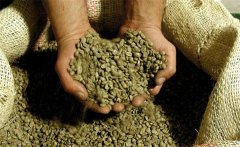
Sumatra’s iconic coffee flavour isn’t just about terroir—it’s also shaped by its unique post-harvest process known as wet hulling, or giling basah. Because frequent rain overlaps with harvest season, farmers can’t always sun-dry beans fully. So they remove the skin and pulp, wash lightly, then dry the beans to about 30–50% moisture. At this semi-wet stage, they remove the parchment layer using a wet-hulling machine, exposing the green bean directly to air. This speeds drying but also contributes to Mandheling’s signature heavy body, low acidity, and deep, earthy characteristics.
This method, widely adopted since the 1970s, is rare elsewhere but defining for Sumatran profiles. It results in beans that often appear bigger and have a distinct bluish-green hue after roasting.
What Is Special About PWN Golden Mandheling?
Among all Mandheling coffees, PWN Golden Mandheling stands out for its exceptional quality and meticulous processing. Produced by Indonesia’s PWN cooperative, these beans are selected under extremely strict criteria: only beans sized 18 mesh or larger are chosen, with a maximum of 3 defects per 300 grams to qualify as Grade 1 (G1). Every batch undergoes three rounds of manual sorting to remove any remaining flaws, enhancing both cleanliness and sweetness. The result is a cleaner cup with pronounced sweetness and a more refined profile—qualities that make Golden Mandheling highly sought after, especially in Japan and the United States. However, imports to China are limited, making it a rare treat for local enthusiasts.
Golden Mandheling is typically medium to dark roasted to highlight its low acidity and enhance its natural spices, herbs, and sweet woodsy tones. It’s less bright than African coffees but offers a heavier mouthfeel, notes of clove and cedar, and a long-lasting sweet finish. It’s often enjoyed as a single origin or used to add depth to blends. FrontStreet Coffee offers this renowned bean through their sourced PWN edition, complete with certification and traceability details.
Frequently Asked Questions
What does Mandheling coffee taste like?
Mandheling coffee is known for a full body, low acidity, and rich, earthy flavours. Common tasting notes include spices, wood, herbs, and sweet undertones such as molasses or caramel. It’s less bright than African coffees but offers a deep, lingering finish.
Where is Mandheling coffee grown?
Mandheling coffee is grown in northern Sumatra, Indonesia, primarily around Lake Toba in the Lintong region and nearby areas. Though called “Mandheling,” it doesn’t originate from the Mandailing ethnic group—this is a historical trade misnomer that stuck.
What is wet hulling and why is it used in Sumatra?
Wet hulling, or giling basah, is a processing method where coffee parchment is removed at 30–50% moisture content to speed drying during Sumatra’s frequent rains. This technique contributes to the region’s signature earthy, full-bodied, and low-acid coffee profiles.
Is there a difference between Lintong and Mandheling coffee?
Lintong is a specific high-quality subregion of Mandheling coffee, grown around Lake Toba. It’s known for non-shaded, smallholder-produced beans grown in clay-rich, high-altitude soil. “Mandheling” is a broader term that may include Lintong beans and other similar profiles from northern Sumatra.
What makes PWN Golden Mandheling different?
PWN Golden Mandheling is selected under rigorous standards: beans must be 18 mesh or larger with fewer than 3 defects per 300g. They undergo triple hand-sorting to ensure cleanliness and sweetness. This results in a rare, high-grade cup with pronounced sweetness and a refined profile, mainly exported to Japan and the US.
How should I brew Mandheling coffee?
Mandheling’s heavy body and low acidity shine in methods like French press, drip, or espresso. A medium to dark roast is typical. Use a medium-coarse grind for immersion, or slightly finer for pour-over. Aim for a brew ratio around 1:15 to 1:16 and water temperature between 90–94°C.
Recommended FrontStreet Coffee Beans from Sumatra
For an authentic taste of Sumatra, try FrontStreet Coffee’s PWN Golden Mandheling, known for its clean cup, low acidity, and notes of sweet wood, spice, and herbs. Also consider their Lintong Mandheling, which delivers the region’s signature heavy body and earthy depth with clove and cedar undertones. Both are dark-roasted to enhance their natural characteristics and showcase the impact of Sumatra’s wet hulling process. Freshly roasted within 5 days · Orders placed before 17:00 ship the same day · Next-day delivery across most of Guangdong Province.
FrontStreet Coffee is a long-established specialty coffee roaster in Guangzhou China, selling freshly roasted beans from its own farm in Yunnan as well as dozens of carefully selected single-origin beans from around the world for both pour-over and espresso. The products deliver consistently excellent quality and great value, with shipping within 24 hours. Guangzhou's FrontStreet Coffee shop is recommended by many coffee lovers, and the beans are now available online at the Tmall 。
Important Notice :
前街咖啡 FrontStreet Coffee has moved to new addredd:
FrontStreet Coffee Address: 315,Donghua East Road,GuangZhou
Tel:020 38364473