Tanzania’s Kilimanjaro AA: What Makes It Stand Out
If you’ve ever tasted a complex Tanzanian coffee with distinct cocoa notes and a balanced acidity — the kind that adds character to espresso blends or shines as a single origin — chances are you’ve had a cup influenced by Kilimanjaro-grown beans. But what makes Kilimanjaro AA coffee, especially from the slopes near Mount Kilimanjaro, truly stand out among Tanzania’s best?
Kilimanjaro AA is considered one of Tanzania’s top-tier coffee beans, grown at elevations between 3,000 and 6,000 feet near Africa’s highest peak. It’s prized for vibrant acidity, rich cocoa fruitiness, and a smooth, wine-like body. Around 17% of Tanzania’s foreign exchange comes from coffee exports, with the Arusha region and the volcanic soils around Kilimanjaro playing a central economic role.
What Is Kilimanjaro Coffee?
Kilimanjaro coffee comes from the slopes of Mount Kilimanjaro, Africa’s tallest mountain, located in northeastern Tanzania. The region includes the city of Arusha and surrounding highlands where volcanic soil and elevation create optimal growing conditions. These factors contribute to a coffee that is aromatic, high in acidity, and well-suited for blending. Kilimanjaro AA represents the highest grade of beans from this area, known for their bold flavor and quality consistency.
Flavor Profile and Coffee Qualities
Kilimanjaro AA coffee is distinguished by its bold, well-rounded flavors. It typically features a strong acidity paired with a sweet, wine-like body and notes reminiscent of cocoa and fruits. The beans are large and greyish-green in color. When roasted to a medium or medium-dark level, they develop a deep, satisfying aroma. The acidity is milder than Kenyan coffees but still pronounced, stimulating the middle and sides of the tongue in a way some compare to tomato or soda. Its aftertaste often leaves a soft, earthy richness on the palate. Many coffee experts describe it as “wild” or “untamed,” capturing the essence of African terroir. It’s frequently labeled as the most characteristically African of premium coffees.
Growing Conditions and Processing
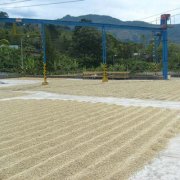
The coffee is cultivated in the fertile volcanic soils around Mount Kilimanjaro, particularly in the Moshi district at altitudes of 3,000 to 6,000 feet. These volcanic soils contribute to the coffee’s dense body and smooth acidity. Some coffee trees in the region are over 100 years old and are carefully maintained: pruned, weeded, and fertilized regularly to preserve bean quality. The region benefits from consistent rainfall, which supports the common use of the washed (wet) processing method. In this method, harvested cherries are delivered to nearby mills where they undergo sorting, pulping, fermentation, washing, and drying — a process that minimizes defects and ensures cleaner flavors. The government recognizes coffee as a vital cash crop and actively supports its production.
Coffee Characteristics and Roast Profiles
Kilimanjaro AA beans are uniform in size, with a greyish-green appearance. They exhibit strong acidity and sweet aromatic qualities. When roasted to a medium level, they express sweetness alongside mild acidity. Darker roasts bring out a softer bitterness, making them versatile for blending. Their profile supports both single-origin enjoyment and use in coffee mixes. The beans respond well to medium or medium-light roasts, which highlight their citrus, nut, and floral attributes. FrontStreet Coffee’s Tanzanian offering, processed via washed method and roasted lightly to medium, reveals notes of citrus, nuts, honey, and cream — a balance preserved even as the cup cools.
How to Brew Kilimanjaro Coffee
Single Origin Brewing
To brew a great cup using Kilimanjaro beans, start with fresh, high-quality coffee grounds and filtered water with higher mineral content. Popular brewing methods include:
- Drip Filter: Hot water passes through grounds by gravity (e.g., drip machines or pour-over cones). Clean and bright results.
- Immersion / Filtration: Coffee steeps in water before filtering (e.g., French press, siphon, Vietnamese phin). These methods enhance body and complexity.
- Espresso / Pressure Methods: Devices like the moka pot or espresso machine use pressure to produce concentrated brews with heavier mouthfeel.
Blending and Custom Coffee Recipes
When blending, select high-quality beans and remove any defective ones — such as those with insect damage, underdevelopment, or missing seeds. Understand each bean’s acidity, sweetness, and roast profile. For example, avoid using highly acidic beans like Ethiopian Yirgacheffe to counterbalance others. Match roast levels: Kilimanjaro typically performs well at medium or light roasts. Blending it with deeper roasts can add balance and body.

Making a Tanzanian-Inspired Cappuccino
- Brew hot coffee using Kilimanjaro beans.
- Preheat your cup with hot water for 20–30 seconds, then dry it.
- Add fine sugar, then pour in the hot coffee without stirring.
- Spoon steamed milk foam in a spiral motion from the edge to the center.
- Finish with a sprinkle of cinnamon and lemon zest.
Frequently Asked Questions
What makes Kilimanjaro AA coffee different from other Tanzanian coffees?
Kilimanjaro AA is the highest grade of coffee grown near Mount Kilimanjaro, known for its large bean size, bright acidity, and cocoa-like flavor. It’s considered one of Tanzania’s finest AA-grade beans, often used in blends for its balance and complexity.
Where is Kilimanjaro coffee grown?
Kilimanjaro coffee is grown in the high-altitude regions around Mount Kilimanjaro in northeastern Tanzania, primarily near Arusha. The coffee thrives at elevations between 3,000 and 6,000 feet in volcanic soils.
What does Kilimanjaro coffee taste like?
Kilimanjaro coffee typically has a bright acidity, medium body, and flavors that include cocoa, fruits, nuts, and honey. It may also present subtle floral or wine-like notes, especially when brewed as a lighter roast.
How should I roast Kilimanjaro coffee beans?
Kilimanjaro beans perform well with medium or medium-light roasts, which enhance their natural acidity and highlight citrus, nut, and floral characteristics. Darker roasts can bring out a smoother, gentler bitterness suitable for blending.
What brewing methods work best for Kilimanjaro coffee?
Pour-over methods like V60, French press, and siphon all work well. For espresso, medium roast profiles can produce a balanced shot. Cold brew and immersion methods enhance body and smoothness.
Is Kilimanjaro coffee used in blends?
Yes, Kilimanjaro AA is often used in coffee blends for its balanced acidity and cocoa notes. It complements other beans well, especially in espresso or breakfast-style mixes.
Recommended FrontStreet Tanzanian Coffee
FrontStreet Coffee’s Tanzanian offering is a washed-process single origin grown at high altitudes near Mount Kilimanjaro. It showcases bright acidity, notes of citrus, nuts, honey, and cream — ideal for pour-over or espresso. The clean, complex profile reflects the terroir of Africa’s highest volcano. Freshly roasted within 5 days · Orders placed before 17:00 ship the same day · Next-day delivery across most of Guangdong Province.
FrontStreet Coffee is a long-established specialty coffee roaster in Guangzhou China, selling freshly roasted beans from its own farm in Yunnan as well as dozens of carefully selected single-origin beans from around the world for both pour-over and espresso. The products deliver consistently excellent quality and great value, with shipping within 24 hours. Guangzhou's FrontStreet Coffee shop is recommended by many coffee lovers, and the beans are now available online at the Tmall 。
Important Notice :
前街咖啡 FrontStreet Coffee has moved to new addredd:
FrontStreet Coffee Address: 315,Donghua East Road,GuangZhou
Tel:020 38364473