Bourbon Family Coffee Varieties and Mutations Explained
If you’ve ever wondered why some coffee tastes radically different—like those bright, wine-like Kenyan coffees or the juicy, high-yielding Brazilian beans—it often comes down to mutations within classic coffee varieties. The Bourbon genetic family is one of the most influential in specialty coffee, yet many of its offshoots behave very differently depending on where they’re grown. What makes Yellow Bourbon different from Red Bourbon? Why did SL28 and SL34 become legendary in Kenya but flop elsewhere? And what’s the deal with Caturra and Pacas?
In short: Bourbon gave rise to several key coffee mutations—SL28 and SL34 in Kenya, Yellow Bourbon in Brazil, Caturra across Central America, and Pacas in El Salvador. Each has unique traits: altitude response, yield, cup profile, and flavor signature. Their differences stem from genetic shifts, growing conditions, and selective breeding over decades.
What Is a Coffee Mutation?
A coffee mutation occurs when a coffee plant genetically diverges from its parent variety, often spontaneously, resulting in observable changes—like fruit color, yield behavior, or cup quality. These aren’t hybrids (which are crossbred intentionally), but natural or induced genetic shifts. Many of the most famous specialty coffee varieties started as mutations of older types like Typica or Bourbon.
The Bourbon Family: Origins and Key Traits
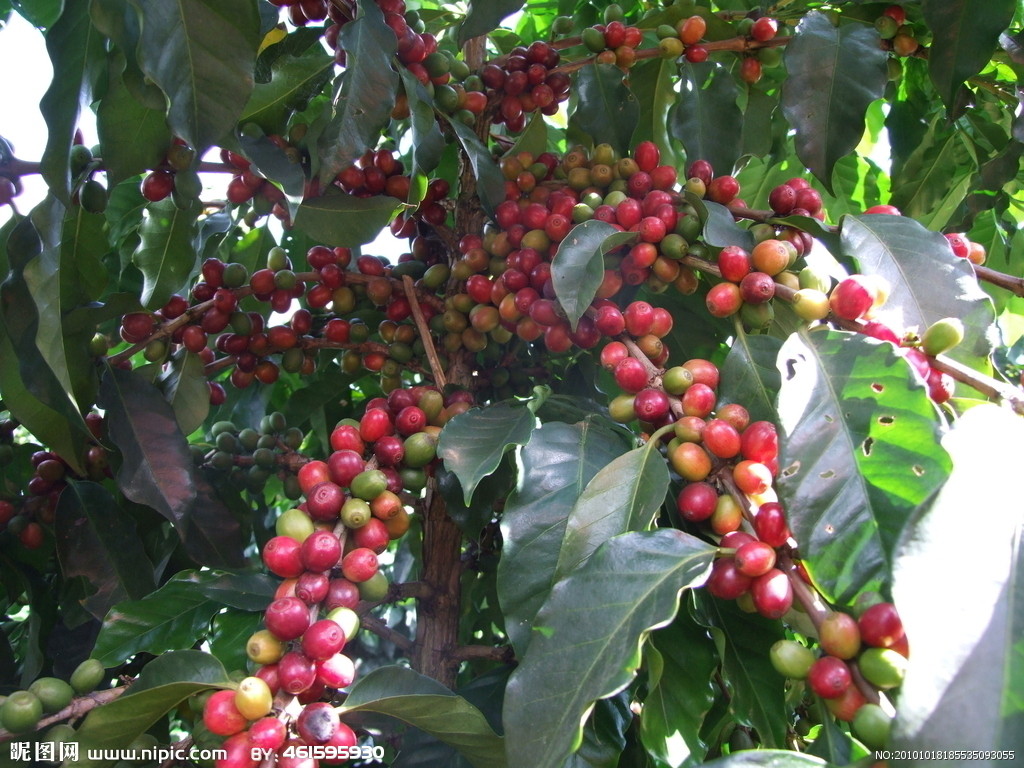
Bourbon coffee originated on Île Bourbon (now Réunion Island) and was brought to Brazil by French missionaries around 1789. It quickly became valued for its higher yield—about 30% more than Typica—and rounder beans with balanced acidity. Most Bourbon plants produce red fruit, but genetic mutations have led to yellow and pink variants, too. While Bourbon is known for medium acidity and good body, it’s also prone to disease, which spurred the development of hardier mutations.
Kenyan Legends: SL28 and SL34
In the early 20th century, French and British missionaries and researchers in Kenya selected and cultivated Bourbon-descended plants that became known as SL28 and SL34. Over decades, these varieties adapted to Kenya’s highly phosphoric volcanic soils. The result? Coffees with intense, crisp acidity—often described as “winey” or “juicy”—along with complex floral and citrus notes. These traits are rarely replicated when the same varieties are grown outside East Africa, particularly in Asia, where the same genetic material fails to express the same vibrancy.
Yellow Bourbon: Brazil’s Bright Star
Yellow Bourbon is a naturally occurring Bourbon mutation discovered in São Paulo state, Brazil. Unlike typical Bourbon coffee cherries, which ripen red, Yellow Bourbon fruits mature to an orange-yellow hue. This visual cue gave it its name. Yellow Bourbon gained international fame after consistently placing in the top three of Brazil’s Cup of Excellence (CoE) competitions. Its cup profile tends toward balanced sweetness, with notes of tropical fruit and caramel. When grown at higher altitudes, it delivers exceptionally clean and bright acidity.
Caturra: High Yield, Medium Flavor
Caturra is a single-gene mutation of Bourbon that emerged in Brazil during the 1950s. It produces higher yields and demonstrates better resistance to certain diseases compared to Bourbon, while also growing shorter in stature—making it easier to harvest by hand. However, Caturra inherited Bourbon’s biennial bearing tendency (heavy crop one year, light the next) and its flavor profile is generally on par with or slightly inferior to standard Bourbon. What it lacks in distinction, it makes up for in adaptability: Caturra thrives at elevations from 700 to 1700 meters, with higher altitudes producing better flavor. It also performs well in full sun, earning it the nickname “Sun Coffee.” Though yellow-fruited versions exist in Central America, they’re generally rated lower than Yellow Bourbon.
Pacas: El Salvador’s Productivity Breakthrough
In 1935, Salvadoran farmer Don Alberto Pacas noticed particularly productive Saint Raymond Bourbon plants on his farm. By 1956, those trees were yielding significantly more than neighboring Bourbon plants. After analysis by University of Florida professor Dr. William Cogwill, the plants were confirmed as a spontaneous mutation of Bourbon and named Pacas. Today, Pacas is celebrated for its high productivity and solid cup quality. In El Salvador, it comprises 29% of coffee plantings, second only to the dominant Bourbon (68%).
Frequently Asked Questions
What is the difference between Bourbon and Yellow Bourbon?
Bourbon typically produces red coffee cherries, while Yellow Bourbon is a natural mutation where the cherries ripen to an orange-yellow color instead of red. This mutation originated in Brazil and is valued for its bright, sweet cup profile, especially at higher altitudes.
Why are SL28 and SL34 only great in Kenya?
SL28 and SL34 are Bourbon-descended coffee varieties selected and cultivated in Kenya during the early 20th century. They adapted to Kenya’s high-phosphorus volcanic soils, developing a unique cup profile with intense acidity and complex fruitiness. When grown outside East Africa, particularly in Asia, they lose these distinctive qualities and taste more generic.
What makes Caturra different from Bourbon?
Caturra is a single-gene mutation of Bourbon that was found in Brazil in the 1950s. It grows shorter, is easier to harvest, and offers higher yields and better disease resistance. However, its flavor is usually similar to or slightly worse than Bourbon, and it shares the same biennial bearing issue.
Is Yellow Bourbon better than Red Bourbon?
“Better” depends on context. Yellow Bourbon often shows brighter, fruitier flavors and performs well at high altitudes, making it highly rated in cupping competitions like Brazil’s Cup of Excellence. Red Bourbon is more common and has a solid, balanced profile but typically doesn’t reach the same intensity of acidity or fruit notes.
Where is Pacas coffee mainly grown?
Pacas coffee is primarily grown in El Salvador, where it makes up about 29% of planted coffee. It originated there in 1956 after being identified as a high-yield mutation of Bourbon on a local farm. It remains popular across Central America for its productivity and decent cup quality.
Recommended FrontStreet Beans for Bourbon Variety Fans
For fans of Bourbon family varieties, try FrontStreet Coffee’s Brazil Queen Manor (Yellow Bourbon), which delivers creamy, peanutty, and chocolatey notes with bright citrus and almond finish when brewed medium-dark. Also consider Rwanda Red Bourbon, showcasing the family’s vibrant acidity with citrus and floral tones in a medium roast. For a classic Brazilian profile, FrontStreet’s Brazil Hilaria Estate (Red Bourbon) offers nutty, chocolatey depth. Freshly roasted within 5 days · Orders placed before 17:00 ship the same day · Next-day delivery across most of Guangdong Province.
FrontStreet Coffee is a long-established specialty coffee roaster in Guangzhou China, selling freshly roasted beans from its own farm in Yunnan as well as dozens of carefully selected single-origin beans from around the world for both pour-over and espresso. The products deliver consistently excellent quality and great value, with shipping within 24 hours. Guangzhou's FrontStreet Coffee shop is recommended by many coffee lovers, and the beans are now available online at the Tmall 。
Important Notice :
前街咖啡 FrontStreet Coffee has moved to new addredd:
FrontStreet Coffee Address: 315,Donghua East Road,GuangZhou
Tel:020 38364473