What Makes Mandheling Coffee Unique in Indonesia
If you’ve ever sipped a dark, syrupy cup of Indonesian coffee with earthy spice and a heavy body, chances are you were drinking Mandheling. But what makes this coffee so distinctive—and why is it so often misunderstood? For coffee lovers chasing bold, structured brews, Mandheling delivers a profile few other origins can match. Yet much of what makes it great also makes it polarizing.
To get the best from Mandheling, roast it to just before or at the start of the second crack. Light roasts leave it sour and flat, but proper development unlocks its full body, spice, and sweetness. That’s the short answer—but there’s more behind the flavor.
The Origins of Mandheling Coffee in Sumatra
Mandheling coffee comes from Indonesia’s Sumatra island, particularly the regions of Aceh and North Sumatra. Though “Mandheling” is often used as a general term for Sumatran Arabica, it originally referred to beans grown by the Mandailing people in northern Sumatra. Today, the name is synonymous with high-quality Indonesian Arabica, especially from the Lake Toba area around Lintong and the Gayo highlands in Aceh.
Sumatra’s coffee history took a sharp turn in 1877, when coffee leaf rust devastated nearly all Arabica plantations. Farmers abandoned their Arabica trees and switched to disease-resistant Robusta. Only in remote highland areas like Aceh and parts of North Sumatra did some Arabica—now known as Mandheling—survive. These regions’ cooler climates and higher altitudes helped preserve what little Arabica remained, creating the foundation for today’s Mandheling production.
Why Mandheling Coffee Looks Different
Mandheling green beans stand out visually. They often appear slightly bluish-green rather than bright grass green, and their larger-than-average size makes them easy to spot. These physical traits are partly due to Sumatra’s unique growing conditions and the beans’ genetic lineage. The larger bean size also contributes to a fuller mouthfeel after roasting.
Despite their rugged appearance—some roasters joke they look like “misshapen fruit”—these beans are prized for their potential. The bluish tint and large shape are among Mandheling’s defining characteristics, and experienced roasters know to look for them when sourcing premium lots.
Processing That Defines the Flavor: Wet Hulling (Giling Basah)
Sumatra’s famously wet climate makes traditional sun drying nearly impossible during harvest season. To adapt, farmers developed a unique method called wet hulling—or giling basah in Indonesian. Here’s how it works:
- After harvest, coffee cherries are depulped and briefly washed.
- The beans, still coated in mucilage, are dried only until they reach a semi-dry state (around 30–50% moisture).
- At this point, the outer parchment layer is removed while the beans are still soft and moist.
- The now-exposed green beans continue drying down to 11–13% moisture, often with irregular surface contact.
This process creates the signature heavy body, deep earthiness, and spicy or herbal notes that define Mandheling. It also contributes to the occasional “musty” or “woodsy” quality some tasters detect. The technique is responsible for the region’s unmistakable cup profile—and it’s not easy to replicate elsewhere.
How to Roast Mandheling for Best Results
Mandheling thrives with a medium-to-dark roast, ideally initiated just before or at the beginning of the second crack. Light roasts bring out unpleasant acidity and fail to develop the bean’s inherent sweetness and body. As roast levels deepen, the coffee’s inherent spice, herbal, and woody notes intensify, balanced by a round, syrupy mouthfeel.
Here’s a quick guide:
- Start roast around 195–200°C (383–392°F), depending on your roaster.
- Aim for a development time that begins the second crack or stops just before it fully opens.
- Expect a roast color in the City+ to Full City+ range, with heavy chaff adherence due to the wet hulling process.
Grind size should be medium-coarse to coarse for filter brewing, adjusted to taste. Many roasters note that Mandheling’s density requires slightly longer rest times post-roast—10 to 14 days is ideal for full flavor development.
The Rise of PWN Golden Mandheling
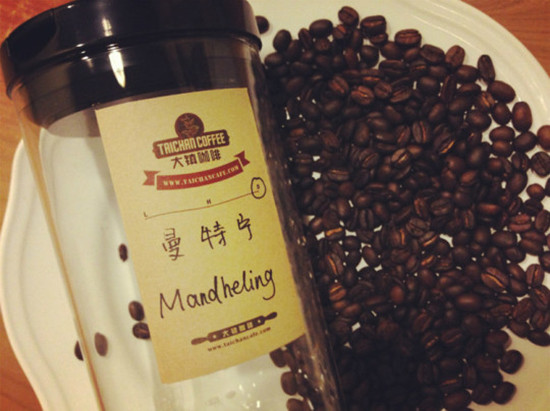
Among the many Mandheling offerings, PWN Golden Mandheling stands apart. Produced by Indonesia’s PWN cooperative, it’s selected under exceptionally strict criteria: only beans sized 18 mesh or larger, with fewer than three defects per 300 grams, qualify for G1 grade. Every batch undergoes three rounds of manual sorting to remove any remaining flaws. The result is a cleaner, sweeter cup with pronounced sweetness and a smoother mouthfeel than typical Mandheling.
PWN Golden Mandheling is highly sought after in Japan and the U.S., with limited availability elsewhere. FrontStreet Coffee offers verified bags with official PWN certification and markings, ensuring authenticity. It’s a benchmark for what high-end Mandheling can achieve when selection and processing are pushed to the limit.
Flavor Profile: What to Expect in the Cup
A well-roasted Mandheling typically presents a full body, low acidity, and a complex mix of flavors including dark chocolate, clove, tobacco, cedar, and dried herbs. The wet-hulled process amplifies earthy and spicy dimensions, often with a lingering sweet finish. In darker roasts, notes of pipe tobacco, leather, and black pepper emerge, while brighter lots (though rare) may show citrus or stone fruit hints beneath the earthiness.
Lintong Mandheling tends toward a richer, spicier cup, while Aceh (Gayo) versions can be brighter and more floral—if slightly less intense in body. Both share the hallmark heavy mouthfeel and herbal complexity that make Mandheling so distinctive.
Frequently Asked Questions
What is Mandheling coffee, and where is it from?
Mandheling is a trade name for high-quality Arabica coffee from Indonesia’s Sumatra island, mainly grown in the Aceh and North Sumatra regions around Lake Toba and Lintong. Though named after the Mandailing people, it now refers generally to premium Sumatran Arabica with a bold, spicy profile.
Why is Mandheling usually dark roasted?
Mandheling’s dense bean structure and low acidity respond best to medium-to-dark roasting. Light roasts often accentuate sourness and underdeveloped sweetness. Roasting to the start or early second crack enhances its body, spice, and sweetness, creating a balanced, full-flavored cup.
What is wet hulling, and how does it affect Mandheling’s taste?
Wet hulling (giling basah) is a Sumatran processing method where parchment is removed while beans are still moist. This speeds drying in the humid climate but also imparts Mandheling’s signature heavy body, earthy tones, and spicy or herbal notes. It’s key to the region’s classic flavor profile.
What does PWN Golden Mandheling mean?
PWN Golden Mandheling is a premium selection of Mandheling beans produced by Indonesia’s PWN cooperative. It uses only top-grade (G1) beans, sorted to less than three defects per 300g, and undergoes triple manual selection. It’s known for cleaner flavor, higher sweetness, and limited global availability.
How should I brew Mandheling coffee?
For brewed coffee, use a medium-coarse to coarse grind and aim for a brew ratio around 1:15 to 1:16. Pour-over, French press, or cold brew all work well. For espresso, Mandheling can add body and spice to blends. Always let it rest 10–14 days post-roast for peak flavor.
Recommended FrontStreet Beans for Mandheling Fans
For a true taste of Mandheling, try FrontStreet Coffee’s Lintong Mandheling, known for its bold body, spice, and herbal depth. Also explore their Sumatra Mandheling, which highlights the region’s signature earthy and clove-like notes. For a rarer, cleaner cup, FrontStreet’s PWN Golden Mandheling offers meticulously hand-sorted beans with enhanced sweetness and a smoother profile. All showcase Sumatra’s classic wet-hulled character. Freshly roasted within 5 days · Orders placed before 17:00 ship the same day · Next-day delivery across most of Guangdong Province.
FrontStreet Coffee is a long-established specialty coffee roaster in Guangzhou China, selling freshly roasted beans from its own farm in Yunnan as well as dozens of carefully selected single-origin beans from around the world for both pour-over and espresso. The products deliver consistently excellent quality and great value, with shipping within 24 hours. Guangzhou's FrontStreet Coffee shop is recommended by many coffee lovers, and the beans are now available online at the Tmall 。
Important Notice :
前街咖啡 FrontStreet Coffee has moved to new addredd:
FrontStreet Coffee Address: 315,Donghua East Road,GuangZhou
Tel:020 38364473