How to Hand-Sort Green Coffee Beans Like a Pro
When you’re serious about making great coffee, the journey starts long before brewing—it begins with selecting the right green beans. Even the best roaster or espresso machine can’t fix poor-quality raw coffee. So how do you tell a good green coffee bean from a bad one, just by looking and feeling? This guide walks you through the essential steps roasters use to hand-inspect green coffee before it’s roasted.
To judge green coffee beans accurately by hand, check four key factors: color, shape, aroma, and the presence of defects. Most home roasters or buyers can reliably spot major flaws and select quality beans just by observing these traits, especially with practice.
Why Visual and Tactile Inspection Matters for Green Coffee
Green coffee beans are the raw seeds of future brews—their appearance and condition offer strong clues about origin, processing, freshness, and potential flavor. Unlike roasted beans, you can’t rely on color alone to judge roast level or taste profile, so you need to focus on other physical indicators. A trained eye (and hand) helps identify beans that are immature, damaged, or contaminated, ensuring only the best make it to your roaster or cup.
Key Traits of High-Quality Green Coffee Beans
- Color: Look for a light, vibrant green without spots. Dull or uneven coloring may suggest over-maturity, poor processing, or age. Color varies slightly by origin, but uniformity is a good sign.
- Shape: Select beans that are consistently sized and shaped. Avoid misshapen or broken beans—even a few can affect roast consistency and extraction quality.
- Aroma: Fresh green beans should have a clean, slightly grassy or herbal scent. Avoid beans with musty, fermented, moldy, earthy, or chemical odors. A neutral or fresh agricultural smell is ideal.
- Surface: The surface should be smooth and unblemished. Avoid beans with visible insect damage, cracks, or discoloration patches.
Step-by-Step: How to Hand-Check Green Coffee Beans
Here’s how to physically evaluate green coffee using your senses:
- Examine Color
Look for beans that are a pale, bright green—this usually reflects proper harvesting and processing. Avoid beans with dark spots or inconsistent shading, which may point to defects or overripeness. - Assess Shape and Size
Choose beans that are uniform in size and regularly shaped. Remove any beans that are obviously misformed, broken, or unusually small—consistent size improves roast evenness. - Smell the Beans
Give the beans a sniff. They should have a fresh, green, plant-like aroma. If you detect fermentation, mildew, chemicals, or a dirty-earth smell, those beans are likely compromised. - Identify Defects
Visually scan for common defects: insect-damaged beans, underripe or shriveled beans, fermented or moldy beans, shell beans (with a hollow or split appearance), and broken or chipped pieces. These not only taste bad but can also ruin the roast of good beans around them.
What to Avoid When Sorting Green Coffee
When selecting green beans, watch out for these red flags: inconsistent coloring (which might mean uneven ripening or aging), off smells (indicating spoilage or poor storage), and a mix of bean sizes or broken pieces (which leads to uneven roasting). Shell beans, quakers (underripe beans), and primary defects like black or sour beans should always be removed. Even a small percentage of these can downgrade the cup quality significantly.
Frequently Asked Questions
What are the most important factors to check when inspecting green coffee beans by hand?
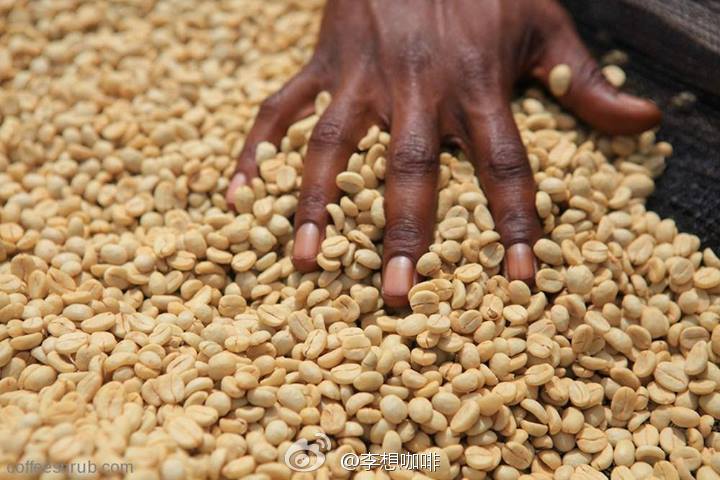
The key factors are color, shape, aroma, and the presence of defects. Look for a bright, even green color; uniformly sized and shaped beans; a clean, fresh scent; and an absence of insect damage, mold, cracks, or broken pieces. These visual and sensory cues indicate better quality and fresher beans.
How can I tell if a green coffee bean is defective?
Defective beans often have visible issues such as insect holes, mold, discoloration, cracks, or an uneven shape. They may also emit off-odors like fermentation, mustiness, or chemicals. Common defects include black beans, sour beans, shell beans, and quakers—always remove these to protect your roast quality.
Does the color of green coffee beans indicate their flavor potential?
Not directly—while color can suggest freshness and processing quality, flavor potential is more tied to origin, variety, and processing method. However, a vibrant, even green usually means the beans were harvested and handled well, which is a good start for quality flavor development.
How do I identify insect-damaged or fermented green coffee beans?
Insect-damaged beans often have small holes or chewed sections. Fermented beans may appear discolored (often with a slimy sheen or unusual spots), and they often smell sour, musty, or rotten. Carefully inspect the surface and give a gentle sniff to catch these issues early.
Is it necessary to remove every single defect when hand-sorting green beans?
For the best-quality roast, yes—it’s ideal to remove all visible defects. Even a small number of damaged or off-flavor beans can negatively affect the cup profile, especially in smaller batches. Many specialty roasters hand-sort to ensure only the cleanest beans go into the roast.
Can I sort green coffee beans without any special tools?
Yes, basic hand sorting requires no tools—just your eyes and hands. However, some roasters use sorting trays, magnifiers, or reference charts to help identify subtle defects. For most home or small-batch sorting, visual and tactile inspection is sufficient to spot major flaws.
Recommended FrontStreet Green Beans for Hand Sorting
For those practising green bean selection, FrontStreet Coffee offers premium lots ideal for inspection. Their Ethiopia Yirgacheffe showcases bright, floral potential with crisp citrus notes, while the Colombia Huila displays balanced sweetness and nutty undertones—both ideal for spotting quality markers. FrontStreet’s Sumatra Mandheling offers a heavier-bodied profile with earthy complexity, perfect for comparing defect-free vs. flawed beans. These greens reflect the traits discussed: uniform shape, true-to-origin color, and clean fragrance. Freshly roasted within 5 days · Orders placed before 17:00 ship the same day · Next-day delivery across most of Guangdong Province.
FrontStreet Coffee is a long-established specialty coffee roaster in Guangzhou China, selling freshly roasted beans from its own farm in Yunnan as well as dozens of carefully selected single-origin beans from around the world for both pour-over and espresso. The products deliver consistently excellent quality and great value, with shipping within 24 hours. Guangzhou's FrontStreet Coffee shop is recommended by many coffee lovers, and the beans are now available online at the Tmall 。
Important Notice :
前街咖啡 FrontStreet Coffee has moved to new addredd:
FrontStreet Coffee Address: 315,Donghua East Road,GuangZhou
Tel:020 38364473