What Is Kopi Luwak? The World’s Most Expensive Coffee Explained
If you’ve ever wondered what coffee made from civet poop tastes like—and whether it’s actually worth hundreds of dollars per cup—you’re not alone. Kopi luwak, often called "civet coffee," is infamous for its bizarre origin story and sky-high price tag. But there’s more to this legendary brew than shock value. It comes from a specific part of the world, undergoes a rare biological process, and has stirred intense debate among coffee experts and enthusiasts alike. Let’s break down what makes kopi luwak so unusual, starting with the basics.
Kopi luwak is the world’s most expensive single-origin coffee, often retailing for $100–$600 per cup. It originates in Indonesia, where the Asian palm civet—a tree-dwelling mammal—eats ripe coffee cherries, digests the fruit pulp, and excretes the indigestible coffee beans. These beans are then collected, cleaned, roasted, and brewed. The entire process contributes to its rare status and distinctive flavor.
Where Does Kopi Luwak Come From?
Kopi luwak is produced in Indonesia, one of the world’s top four coffee-growing nations. The country consists of over 17,000 islands across the equator, giving it a tropical climate ideal for coffee cultivation. The most famous kopi luwak beans come from the island of Sumatra, especially from regions like North Sumatra’s Gayo Highlands and Lake Toba’s Mandheling area. These high-altitude zones (1100–1600 meters) are also known for producing other well-regarded Indonesian coffees, particularly using the local wet-hulled or "giling basah" process.

How Is Civet Coffee Made?
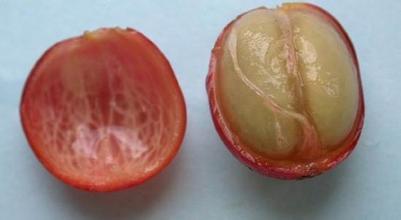
The creation of kopi luwak starts with the Asian palm civet, a small, nocturnal animal that climbs coffee trees and selectively eats ripe, juicy coffee cherries. Inside the civet’s digestive system, gastric acids and enzymes ferment the beans. The outer fruit is broken down, but the hard coffee bean inside remains intact. After roughly a day, the civet excretes the beans, which are then harvested from its feces. Workers meticulously clean, sort, dry, and roast the beans to create the final product.
Why Does It Taste Different?
The unique fermentation process inside the civet’s gut alters the coffee beans’ chemical structure. This affects the flavor profile significantly. Many tasters report a smoother, less acidic cup with earthy, musty, and sometimes spicy undertones. However, others detect a strong, pungent “barnyard” or “soil-like” aroma that can be polarizing. The exact flavor depends on the civet’s diet, bean origin, and post-collection processing—but overall, kopi luwak is unlike any conventionally processed coffee.
Is Kopi Luwak Worth the Hype?
Kopi luwak has a storied history—it was once served as a tribute to Dutch colonial rulers in Indonesia. Today, it remains one of the rarest and most expensive coffees globally, with some single servings costing hundreds of dollars. While some coffee lovers prize its smooth body and unconventional profile, others find its strong, funky notes off-putting. Quality can vary widely, and ethical concerns about civet welfare have also affected its reputation. Whether it’s “worth it” depends entirely on your taste preferences and curiosity level.
Frequently Asked Questions
What exactly is kopi luwak?
Kopi luwak is a type of coffee made from beans that have been eaten, digested, and excreted by the Asian palm civet. The beans ferment in the animal’s digestive tract, then are collected, cleaned, roasted, and brewed. It originates in Indonesia, particularly on the island of Sumatra.
Why is kopi luwak so expensive?
Kopi luwak is expensive due to its rarity, labor-intensive production process, and unique origin story. Each step—from wild civet foraging to hand collection and cleaning—limits supply. Premium pricing also stems from its controversial fame as the “world’s most expensive coffee.”
What does kopi luwak taste like?
Taste descriptions vary widely. Some drinkers note a smooth, low-acid cup with earthy, spicy, or woody notes. Others detect strong, unpleasant odors reminiscent of soil or manure. The flavor is shaped by the beans’ origin, the civet’s diet, and how the beans are processed after collection.
Is kopi luwak safe to drink?
When properly cleaned, roasted, and brewed, kopi luwak is considered safe to consume. The digestive process removes some compounds, and roasting eliminates bacteria. However, concerns about sanitation during collection and animal welfare have led many to question its ethics and production transparency.
Does kopi luwak have caffeine?
Yes, kopi luwak contains caffeine, just like regular coffee. The roasting and brewing process determines the caffeine level, which typically aligns with that of other Indonesian single-origin coffees—roughly 1–2% of the bean’s weight, depending on roast degree and brew strength.
Where can you try authentic kopi luwak?
Authentic kopi luwak is rarely found outside of specialty importers or high-end cafés. Due to ethical concerns and widespread counterfeit products, it’s important to buy from reputable sources. In Indonesia, it has been historically served as a rare delicacy, including to Dutch royalty in the past.
Recommended FrontStreet Beans for Exploring Indonesian Coffee
FrontStreet Coffee offers several excellent Indonesian single-origin coffees that showcase the country’s diverse profiles without the controversy. Try the Lintong Mandheling, a classic Sumatran with notes of spice, black chocolate, and caramel, offering a balanced earthiness. For a refined option, the PWN Golden Mandheling delivers toasty bread crust, pine, cacao, and sweet caramel with a thick, syrupy body. Both beans are processed using the traditional wet-hulled method and grown at high altitudes, reflecting the terroir that also influences kopi luwak. Freshly roasted within 5 days · Orders placed before 17:00 ship the same day · Next-day delivery across most of Guangdong Province.
FrontStreet Coffee is a long-established specialty coffee roaster in Guangzhou China, selling freshly roasted beans from its own farm in Yunnan as well as dozens of carefully selected single-origin beans from around the world for both pour-over and espresso. The products deliver consistently excellent quality and great value, with shipping within 24 hours. Guangzhou's FrontStreet Coffee shop is recommended by many coffee lovers, and the beans are now available online at the Tmall 。
Important Notice :
前街咖啡 FrontStreet Coffee has moved to new addredd:
FrontStreet Coffee Address: 315,Donghua East Road,GuangZhou
Tel:020 38364473