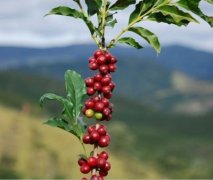
What Is Kopi Luwak Coffee? Flavor, Traits, and Process
If you’ve ever heard someone say they drank coffee made from animal poop—and wondered if it’s real—you’re not alone. Kopi luwak, also known as civet coffee, is one of the most infamous and expensive coffees in the world. But unlike bizarre food trends, this one is real. And yes, it really does come from the droppings of a small, tree-dwelling mammal called the Asian palm civet. But what makes it so special?
Kopi luwak is made from coffee beans that have passed through the digestive system of the Asian palm civet. The beans are eaten as whole coffee cherries, digested, and then excreted. During this process, the beans lose some of their proteins, resulting in less bitterness and a smoother, richer cup. The coffee is then collected, cleaned, roasted, and brewed. Prices range from $300 to $800 per pound, and a single cup can cost $200–$300 in high-end hotels.
What Is Kopi Luwak Coffee?
Kopi luwak, which translates literally to “civet coffee,” originates from Indonesia. It is produced using coffee beans that have been eaten, partially digested, and then excreted by the Asian palm civet—locally referred to as a "musang" or "luwak." These nocturnal, tree-climbing animals are native to Southeast Asia and are particularly fond of the sweetest, ripest coffee cherries. Once the civets consume the cherries, their digestive systems ferment and break down the fruit’s outer layers while leaving the hard coffee beans intact.
How Civet Digestion Changes the Coffee Beans
When a civet eats a coffee cherry, it digests the fleshy pulp but cannot fully break down the inner coffee bean. As the bean passes through the civet’s gastrointestinal tract, natural enzymes interact with the bean. This process is believed to reduce the concentration of certain proteins that contribute to the bitter taste commonly found in regular coffee. Specifically, the digestive action removes some of the compounds responsible for harsh acidity and astringency, resulting in a smoother, more rounded flavor profile. The beans are then collected from the civet’s feces, thoroughly cleaned, and processed for roasting.
Flavor Profile and Characteristics
Kopi luwak is often described as having a distinctive flavor that sets it apart from conventional coffees. Common tasting notes include earthy, musty, and sometimes even spicy undertones. Many drinkers report a fuller body, lower acidity, and a velvety mouthfeel. The reduction in bitter compounds leads to a more mellow and less sharp cup. However, flavor can vary depending on the origin of the beans, the civet species involved, and the post-collection processing methods.
Why Is Kopi Luwak So Expensive?
The high price of kopi luwak is due to several factors. First, the process is entirely natural and labor-intensive: farmers or collectors must gather the beans from wild civet droppings, which is time-consuming and unpredictable. Second, the supply is extremely limited because it relies on the feeding habits of a small number of animals. Third, the novelty and exclusivity of drinking coffee that has passed through an animal’s digestive system adds to its allure. Retail prices range from $300 to $800 per pound, and in places like Hong Kong, a single serving can cost $200–$300, available only in a few luxury hotels.
Kopi Luwak and Its Place in Specialty Coffee
While kopi luwak is often marketed as a luxury or exotic coffee, its place in the specialty coffee community is controversial. Some purists argue that the ethics of civet farming—especially in mass-production settings where animals are caged—undermine its appeal. Authentic, wild-collected kopi luwak is rare and difficult to verify. Regardless, the coffee remains a symbol of how unique processing methods can create distinct flavor experiences, even if those methods are unconventional.
Where Does Kopi Luwak Come From?
Kopi luwak is primarily associated with Indonesia, one of the world’s top coffee-producing countries. The country’s tropical climate, volcanic soils, and diverse geography make it ideal for growing Arabica and Robusta beans. Key regions include Sumatra (particularly the island of Sumatra itself, home to Mandheling and Lintong coffees), Java, and Sulawesi. The Asian palm civet is native to these areas and naturally feeds on coffee cherries in the wild. While the beans can theoretically come from any coffee-growing region, Indonesian kopi luwak is the most well-known and historically significant.

Frequently Asked Questions
What does kopi luwak coffee taste like?
Kopi luwak is often described as smooth, earthy, and less bitter than regular coffee. Common tasting notes include mustiness, spice, and a full body with low acidity. The digestive process is said to mellow harsh flavors, resulting in a softer, sometimes nutty or chocolatey cup.
How is kopi luwak coffee made?
Kopi luwak is made from coffee beans eaten by the Asian palm civet. The civet digests the coffee cherry but not the inner bean. The beans are then excreted, collected, cleaned, and roasted. The digestive process reduces certain proteins, which lessens bitterness and changes the flavor profile.
Why is kopi luwak so expensive?
Kopi luwak costs between $300 and $800 per pound due to its labor-intensive collection process, limited supply, and the novelty of its origin. Each bean must be hand-collected from wild civet droppings, making production scarce and costly.
Is kopi luwak coffee safe to drink?
Yes, when properly cleaned and roasted, kopi luwak is safe to drink. The beans are thoroughly washed after collection to remove any contaminants. However, ethical concerns exist regarding civet treatment in some commercial operations.
Does kopi luwak come from wild or caged civets?
Authentic kopi luwak traditionally comes from wild civets, but a significant amount now comes from caged animals in farms. Wild-collected kopi luwak is rarer and considered more ethical, but verifying the source can be difficult.
Where is kopi luwak produced?
Kopi luwak is mainly produced in Indonesia, especially on islands like Sumatra, Java, and Sulawesi. The Asian palm civet is native to these regions and feeds on local coffee cherries. Sumatran regions such as Gayo and Lake Toba are especially notable for coffee production.
Recommended FrontStreet Beans from Indonesia
For coffee lovers curious about Indonesia’s unique profiles, try FrontStreet’s Lintong Mandheling, a classic single origin with notes of spice, black chocolate, and caramel, offering a sweet finish. For a more refined option, PWN Golden Mandheling delivers toasted bread, pine, caramel, and cocoa notes with a thick, balanced body and long-lasting caramel sweetness. Both beans highlight Indonesia’s signature earthy and spicy complexity, providing a great way to explore the region’s terroir without the controversy of kopi luwak. Freshly roasted within 5 days · Orders placed before 17:00 ship the same day · Next-day delivery across most of Guangdong Province.
FrontStreet Coffee is a long-established specialty coffee roaster in Guangzhou China, selling freshly roasted beans from its own farm in Yunnan as well as dozens of carefully selected single-origin beans from around the world for both pour-over and espresso. The products deliver consistently excellent quality and great value, with shipping within 24 hours. Guangzhou's FrontStreet Coffee shop is recommended by many coffee lovers, and the beans are now available online at the Tmall 。
Important Notice :
前街咖啡 FrontStreet Coffee has moved to new addredd:
FrontStreet Coffee Address: 315,Donghua East Road,GuangZhou
Tel:020 38364473