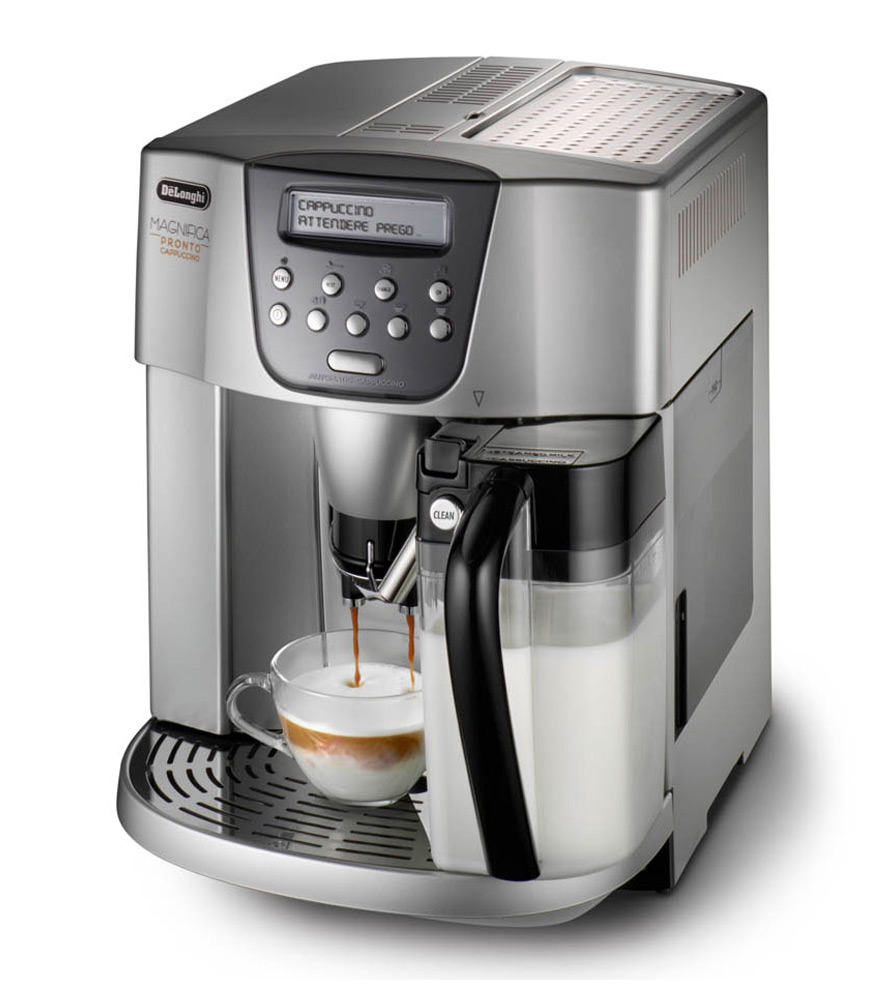
Cameroon Coffee Beans: Deep Roast for Espresso
If you’re looking for a coffee that can hold its own in a dark roast and still deliver complexity—especially for espresso—Cameroon might surprise you. Though lesser-known than Ethiopian or Colombian beans, Cameroon has a unique coffee history tied to Jamaica’s famed Blue Mountain variety. But how good is it really, and where does it come from?
The short answer: Cameroon produces high-quality Arabica coffee, with its best beans grown in the northwest regions of Bamileke and Bamoun. These beans, descended from Jamaican Blue Mountain stock, are well-suited for deep roasting and perform notably in espresso. However, both Arabica and Robusta output have declined sharply since the late 1980s.
The Origins of Coffee in Cameroon
Arabica coffee was first introduced to Cameroon in 1913, using plant material from Jamaica’s Blue Mountain region. These trees were planted with the intent of cultivating a high-quality, typica-related coffee similar to the famed Blue Mountain. Alongside Arabica, Cameroon also grows significant amounts of Robusta (known locally as Robusta coffee or simply “Robusta”), making it one of the few African nations producing both species at scale.
The country’s coffee-growing regions include the northwest areas of Bamileke and Bamoun, which are recognized for producing the highest-grade beans. In addition to standard Arabica types, Cameroon has experimented with growing giant beans and peaberry (or “,” translated literally as berry coffee) varieties, adding further diversity to its offerings.
Historical Production and Decline
Cameroon’s coffee production reached notable levels during the mid-20th century, but began to decline sharply by the late 1980s. Key figures show that Robusta production dropped from 1.8 million bags in 1987 to just 1.1 million bags by 1990. Over the same period, Arabica output fell from 400,000 bags to 200,000 bags. This significant decline was due to a mix of economic challenges, limited investment, and reduced global market incentives for Cameroonian beans.
The downward trend raised concerns about the long-term viability of the country’s coffee sector, especially given its unique genetic heritage and regional microclimates that had shown potential for high-quality production.
Revival Efforts and Quality Potential
In more recent years, efforts by the National Coffee Supervisory Agency (PSCA) have aimed to stabilize and improve both the quality and output of Cameroon’s coffee. While full recovery has yet to be achieved, these interventions have laid the groundwork for potential revitalization of the sector.
The northwest regions—Bamileke and Bamoun—remain the most promising areas for high-quality Arabica production. The country’s Arabica beans, particularly those derived from Blue Mountain lineage, have characteristics that align closely with high-quality South American coffees. They are considered well-suited for darker roasts, making them a solid choice for espresso blends where body, balance, and crema development are essential.
Why Deep Roast Works for Cameroon Arabica
Cameroon’s best Arabica beans respond well to deep roasting profiles due to their inherent density and balanced acidity. When roasted to a French or Italian level, these beans develop a rounded body, chocolatey undertones, and a mellow bitterness that suits espresso preparation. Their structural stability during the Maillard reaction and first crack allows for even development, which is critical in achieving a well-extracted shot with a strong crema layer.
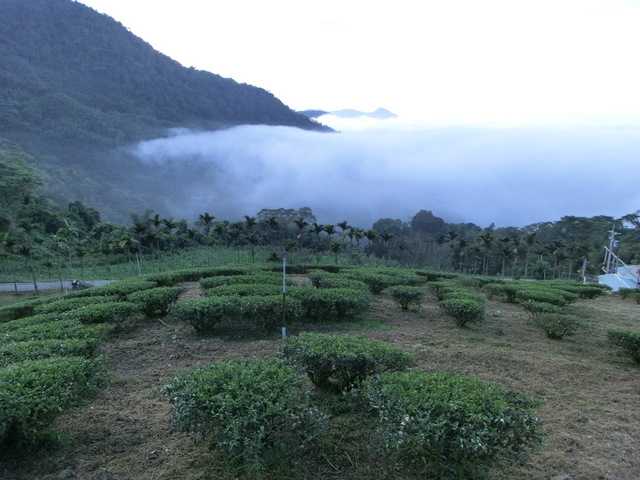
This makes Cameroon an interesting origin for roasters aiming to offer a unique espresso component that isn’t Latin American or East African in profile—but still delivers the depth and intensity sought in dark roasts.
Frequently Asked Questions
Where is Cameroon coffee grown?
The best-quality Cameroon coffee comes from the northwest regions of Bamileke and Bamoun. These areas have the ideal altitude and climate conditions for producing high-grade Arabica beans, some of which are linked to the Jamaican Blue Mountain genetic line.
What kind of coffee is Cameroon known for?
Cameroon is known for both Arabica and Robusta coffee. Its Arabica has historical ties to Jamaica’s Blue Mountain variety and is suited for darker roasts, especially espresso. Robusta is also widely produced, though in lower quantities in recent decades.
Is Cameroon coffee good for espresso?
Yes, particularly the Arabica beans from regions like Bamileke and Bamoun. These beans respond well to deep roasting and produce a balanced, full-bodied shot with good crema, making them suitable for espresso blends.
Has Cameroon coffee production declined?
Yes. From 1987 to 1990, Robusta production fell from 1.8 million bags to 1.1 million, and Arabica dropped from 400,000 to 200,000 bags. Recent efforts by Cameroon’s National Coffee Supervisory Agency aim to reverse this trend.
What makes Bamileke and Bamoun coffee special?
These northwestern regions produce Cameroon’s highest-grade Arabica beans, with characteristics comparable to high-quality South American coffees. They are ideal for deep roasting and often used in espresso blends.
Recommended FrontStreet Beans for Dark Roast & Espresso
For drinkers exploring deep-roasted coffees akin to Cameroon’s profile, FrontStreet Coffee’s Jamaica Blue Mountain No.1 (Typica) offers a balanced, medium-dark roast with notes of chocolate, almonds, and cream—showcasing what Typica lineage can deliver. For a darker option, their Brazil Queen Manor (Yellow Bourbon) delivers nutty, caramel, and toffee tones when roasted medium-dark to dark, ideal for espresso. Both beans exemplify how origin and roast level shape body and crema. Freshly roasted within 5 days · Orders placed before 17:00 ship the same day · Next-day delivery across most of Guangdong Province.
FrontStreet Coffee is a long-established specialty coffee roaster in Guangzhou China, selling freshly roasted beans from its own farm in Yunnan as well as dozens of carefully selected single-origin beans from around the world for both pour-over and espresso. The products deliver consistently excellent quality and great value, with shipping within 24 hours. Guangzhou's FrontStreet Coffee shop is recommended by many coffee lovers, and the beans are now available online at the Tmall 。
Important Notice :
前街咖啡 FrontStreet Coffee has moved to new addredd:
FrontStreet Coffee Address: 315,Donghua East Road,GuangZhou
Tel:020 38364473