Ethiopian Sidamo G2 Washed Coffee Beans Review
Ever wonder why Ethiopian coffees often steal the spotlight in specialty shops? Whether you're a home roaster or just starting your pour-over journey, you’ve likely seen 'Sidamo' or 'washed G2' on bags — but what does that actually mean in terms of taste, farming, and processing? This article unpacks everything behind a classic Ethiopian origin: Sidamo G2 washed beans, grown at high elevations and celebrated for their bright, juicy complexity.
If you’re seeking a bright, aromatic Ethiopian single origin with notes of wild jasmine, honey, citrus, and lemon, Sidamo G2 washed coffee delivers exactly that. These beans are processed using the washed method at elevations between 4,200–6,800 feet, giving them clarity and balance typical of high-altitude Ethiopian lots.
What Is Sidamo G2 Washed Coffee?
Ethiopian Sidamo G2 washed coffee refers to a grade G2, washed-processed Arabica lot sourced from the Sidamo region of Ethiopia. The beans are of the Heirloom variety — a catch-all term for Ethiopia’s diverse native coffee plants — and are cultivated at altitudes ranging from around 4,200 to 6,800 feet (approximately 1,280 to 2,070 meters). The G2 grade is the second-highest commercial grade in Ethiopia’s classification system, indicating reasonably uniform beans free from major defects.
Why Sidamo? Ethiopia’s Coffee Geography and Economy
Sidamo is one of Ethiopia’s most renowned coffee-growing regions, located in the country’s southern highlands. Ethiopia remains one of the few places on Earth where wild Arabica coffee still grows abundantly, particularly in forested areas. While some Sidamo coffee is cultivated alongside shade-providing banana trees, most farms are smallholder operations without advanced agricultural inputs like herbicides or pesticides.
Coffee is Ethiopia’s most important export commodity, accounting for roughly 60% of the country’s total export earnings. It supports countless small farms and rivals even oil in economic significance. Around 94% of Ethiopia’s coffee is produced by smallholders, with only 6% coming from government or cooperative farms. The official estimate of coffee-growing land exceeds 400,000 hectares. Despite domestic consumption of approximately 1.5 million 60kg bags per year (about 50% of production), Ethiopia remains a leading global exporter of washed and natural Ethiopian lots.
How Sidamo G2 Coffee Is Processed
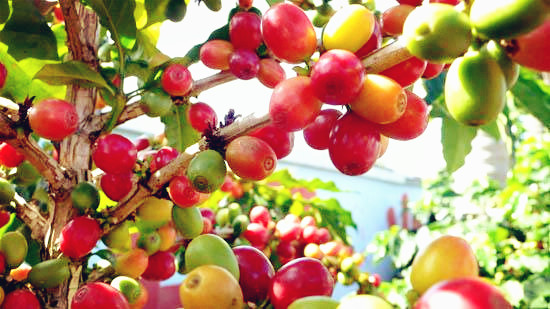
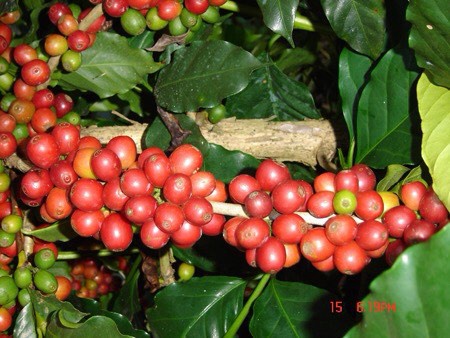
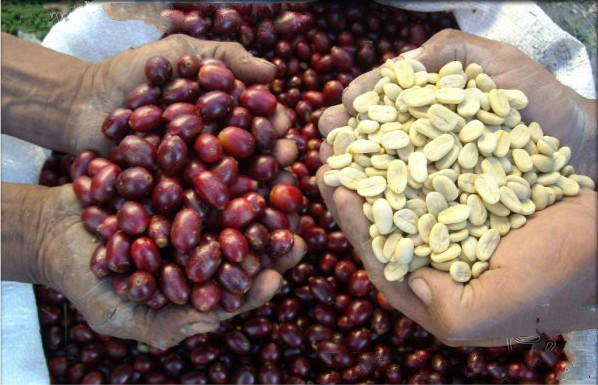
Sidamo G2 washed coffee undergoes a meticulous processing method that significantly shapes its clean, vibrant cup profile. After harvesting ripe red coffee cherries by hand, farmers typically deliver their fruit to washing stations every two days. At the station, cherries are pulped and then fermented in water for around 12 hours to break down the mucilage. Following fermentation, the beans are agitated in water channels, allowing the remaining fruit layer to separate and be washed away. The clean parchment coffee is then dried on raised beds for about six days, but only during limited daylight hours — generally from sunrise to 11:00 AM and from 3:00 PM until sunset — to ensure even drying. The target moisture content after drying is approximately 12% to 12.5%.
The beans are then sorted to remove defective seeds, packed into jute sacks, and transported to Addis Ababa for auction. Processing stations, especially in regions like Jimma, face stiff competition, leading some to offer higher prices to secure limited cherry supply. Workers at these stations often labor continuously during harvest season without breaks for up to two months, processing around ten 60kg bags of coffee per day per site. Despite the challenges, washed processing is highly sought after, as it typically fetches better market prices than natural or sun-dried methods.
The Role of Heirloom Varieties and Wild Coffee
The term 'Heirloom' is used in Ethiopia to describe the hundreds of unique, uncategorized Arabica varieties that grow wild or semi-cultivated across the country. These genetic treasures are the result of centuries of natural selection and regional isolation. Many of these varieties thrive in the rich, volcanic soils of Sidamo, which are nourished by organic matter from decaying forest litter — contributing to the region’s signature fruity and floral cup profiles. Wild coffee still grows in the southwestern highland rainforests, though deforestation for farmland threatens these fragile ecosystems.
Export and Quality Control
All coffee destined for export — whether washed or natural — is channeled through centralized auction hubs in Addis Ababa and Dire Dawa. At these sites, samples are routinely tested, with officials taking random 3kg samples from each lot for grading and quality assessment. Dire Dawa specializes more in natural processed Harrar coffees, while Addis Ababa handles a broader range, including washed Sidamo lots. The auctions allow international buyers and local traders to evaluate offerings from different regions and cooperatives, making Sidamo G2 a consistent feature for those seeking a bright, aromatic Ethiopian cup.
Frequently Asked Questions
What is Sidamo G2 coffee?
Sidamo G2 coffee is a grade G2 Ethiopian coffee from the Sidamo region, processed using the washed method. Grade G2 is the second highest commercial grade in Ethiopia, meaning the beans are relatively uniform and have minimal defects. These beans typically come from smallholder farms at elevations between 4,200–6,800 feet and are of the Heirloom variety.
What does washed process mean for Ethiopian coffee?
The washed process, also called wet processing, involves removing the coffee cherry's skin and pulp before fermenting the beans in water to loosen the mucilage. The beans are then washed and dried on raised beds. This method often results in a cleaner, brighter cup with more pronounced acidity and clarity compared to natural or honey processed coffees.
What flavors can you expect from Sidamo G2 washed coffee?
Sidamo G2 washed coffee typically exhibits floral notes such as wild jasmine, along with fruity and sweet characteristics like honey, citrus, and lemon. These flavors are shaped by the high elevation, Heirloom genetics, and careful washed processing typical of the Sidamo region.
Where is Sidamo in Ethiopia?
Sidamo is a region in southern Ethiopia known for high-quality coffee production. It features varied microclimates, high altitudes, and fertile soils, all of which contribute to the distinct cup profiles associated with Sidamo coffees, including notes of fruit, flowers, and sweetness.
How is Ethiopian coffee graded?
Ethiopian coffee is graded based on bean size, defect count, and processing method. The G2 grade is the second highest commercial grade, indicating beans that are fairly uniform in size with a low number of defects. Higher grades (like G1) have even stricter criteria.
Why is Heirloom coffee important in Ethiopia?
Heirloom refers to the many unique, uncategorized Arabica coffee varieties native to Ethiopia. These varieties have evolved naturally over centuries and are responsible for Ethiopia’s incredible coffee diversity. They are typically grown without modern hybridization and are central to the distinct flavors found in Ethiopian coffees.
Recommended FrontStreet Coffee for Exploring Sidamo-Type Profiles
For those curious about the floral and citrus-driven qualities of Sidamo G2 washed coffee, FrontStreet Coffee’s Ethiopia Huakui offers a comparable bright and fruity experience with notes of berry, honey, citrus, and tropical fruit. If you prefer a more classic Ethiopian highland profile, their Yirgacheffe offering (not detailed here but part of their core lineup) highlights jasmine and citrus, while the Gedeb region beans (also part of their selection) showcase the region’s famed complexity. All are single-origin Ethiopian lots that reflect the wild, bright profiles typical of high-altitude Heirloom coffees. Freshly roasted within 5 days · Orders placed before 17:00 ship the same day · Next-day delivery across most of Guangdong Province.
FrontStreet Coffee is a long-established specialty coffee roaster in Guangzhou China, selling freshly roasted beans from its own farm in Yunnan as well as dozens of carefully selected single-origin beans from around the world for both pour-over and espresso. The products deliver consistently excellent quality and great value, with shipping within 24 hours. Guangzhou's FrontStreet Coffee shop is recommended by many coffee lovers, and the beans are now available online at the Tmall 。
Important Notice :
前街咖啡 FrontStreet Coffee has moved to new addredd:
FrontStreet Coffee Address: 315,Donghua East Road,GuangZhou
Tel:020 38364473