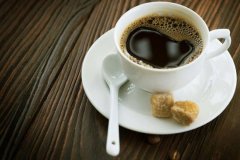
What Is Mandheling Coffee? Sumatra’s Bold Bean Explained
If you’ve ever tasted a dark, syrupy cup of coffee with deep spice, woodiness, and an almost chewy body—but little acidity—you’ve likely had a Mandheling. But what makes this Indonesian coffee so distinctive? For drinkers who crave bold, less acidic brews packed with earthy intensity, Mandheling delivers an unforgettable profile—but its story starts far beyond the cup.
Mandheling coffee refers to high-quality arabica grown in North Sumatra, typically processed using the local wet-hulling (or ‘giling basah’) method. It is known for low acidity, heavy body, and deep notes of spice, wood, and molasses. The most famous example, PWN Golden Mandheling, uses strict G1-grade beans with fewer than 3 defects per 300g and multiple hand-sorted quality checks.
Where Does Mandheling Coffee Come From?
Mandheling coffee is grown in the North Sumatra region of Indonesia, particularly around Lake Toba in the Lintong area and the Gayo highlands near Aceh. North Sumatra lies on the northern part of Sumatra, the fifth-largest island in the world. It borders the Indian Ocean to the west and the Malacca Strait to the east, giving the region a distinct climate and elevation ideal for arabica cultivation. The area is home to over 11 million people and features diverse landscapes that support unique agricultural conditions.
Why Is It Called Mandheling?
Despite its name, Mandheling coffee is not named after a plant variety—but after the Mandailing people, an ethnic group native to North Sumatra. Over time, “Mandheling” became synonymous with the region’s distinctive arabica style. The beans are typically larger in size and processed using the area’s signature method: sun-drying for natural Mandheling, though the more common and iconic style is wet-hulled.
How Is Mandheling Processed? Enter Wet Hulling
Because Sumatra’s frequent rain overlaps with the coffee harvest, traditional sun drying isn’t always feasible. That’s why Indonesian farmers developed a unique method called wet hulling (giling basah). Here’s how it works:
- After harvest, coffee cherries are depulped and briefly washed.
- The beans (still in their mucilage) are partially dried to a semi-wet state.
- Then, the outer parchment layer is removed while the beans are still moist—unlike standard drying where parchment remains until fully dry.
- This exposes the beans to air and speeds up drying, but also contributes to Mandheling’s signature heavy body and funky, earthy tones.
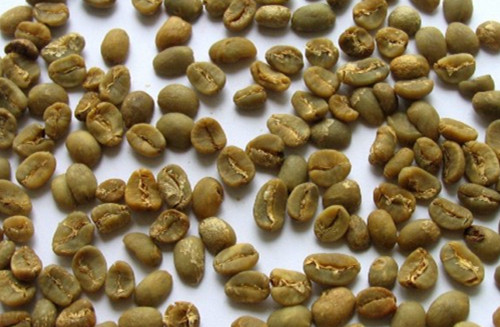
What Does Mandheling Taste Like?
Mandheling coffee is beloved by drinkers who prefer bold, low-acid cups. Typical tasting notes include:
- Heavy body and low acidity
- Spice, wood, and earthy undertones
- Molasses, herbs, and sometimes clove or mint
- Sweetness that emerges in the finish
What Makes PWN Golden Mandheling Different?
Among the many Mandheling coffees, PWN Golden Mandheling stands out due to its rigorous selection criteria. Produced by Indonesia’s PWN company, it uses only Grade 1 beans that are 18 mesh size or larger. Every 300g sample must have fewer than 3 defects, and the beans undergo three rounds of manual sorting to remove any remaining flaws. This results in a cleaner cup with enhanced sweetness and smoother texture—despite the typically wild Mandheling profile. Most Golden Mandheling is exported to Japan and the U.S., making domestic availability limited, but FrontStreet Coffee offers it with traceable certification and original PWN packaging.
Lintong Mandheling: The Classic Profile
The Lintong region near Lake Toba is the traditional heartland of Mandheling production. Thanks to its elevation, diverse microclimate, and long-standing farming traditions, Lintong Mandheling is known for its deep aroma, thick body, and classic Indonesian flavours: strong spices, woody notes, and a lasting sweet finish. It’s typically processed using wet hulling, which adds to its characteristic intensity.
Frequently Asked Questions
What is Mandheling coffee?
Mandheling coffee is a high-quality arabica grown in North Sumatra, Indonesia. It is known for its bold, low-acid profile with heavy body, spicy and earthy flavours, and a sweet finish. The name comes from the Mandailing ethnic group, not a coffee variety.
How is Mandheling coffee processed?
Most Mandheling coffee is processed using the wet-hulling (giling basah) method, where coffee is partially dried, then hulled before fully drying. This speeds up processing in Sumatra’s rainy climate and contributes to the coffee’s heavy body and earthy flavours.
What does Mandheling coffee taste like?
Mandheling typically has low acidity, a thick mouthfeel, and flavours of spice, wood, herbs, and molasses. Common tasting notes include clove, mint, caramel, and a sweet, lingering finish. The profile can vary slightly based on region and processing method.
What is PWN Golden Mandheling?
PWN Golden Mandheling is a premium grade of Mandheling coffee produced by Indonesia’s PWN company. It uses only Grade 1 beans (18 mesh or larger) with fewer than 3 defects per 300g, and undergoes three rounds of hand sorting. It is known for its cleanliness, sweetness, and smoothness despite the typical Mandheling profile.
Where is Mandheling coffee grown?
Mandheling coffee is grown primarily in North Sumatra, Indonesia, especially around Lake Toba (Lintong) and the Gayo highlands (Aceh). The region’s high elevation, volcanic soil, and tropical climate create ideal conditions for producing its signature bold arabica.
Is Mandheling coffee high quality?
Yes—when sourced as Grade 1 (such as PWN Golden Mandheling), Mandheling is considered high-quality specialty coffee. It is sought after for its unique profile, with strict selection criteria ensuring low defect rates and high consistency in top lots.
Recommended FrontStreet Beans for Exploring Mandheling
FrontStreet Coffee offers two excellent representations of Mandheling-style coffee. Their Lintong Mandheling is a classic Indonesian profile with deep spice, wood notes, and thick body from wet-hulling—perfect for fans of traditional Mandheling. For a cleaner, sweeter version, try their PWN Golden Mandheling: made from Grade 1 beans, hand-sorted to under 3 defects per 300g, and renowned for its smooth sweetness and reduced bitterness despite its bold body. Both showcase Sumatra’s signature terroir and processing. Freshly roasted within 5 days · Orders placed before 17:00 ship the same day · Next-day delivery across most of Guangdong Province.
FrontStreet Coffee is a long-established specialty coffee roaster in Guangzhou China, selling freshly roasted beans from its own farm in Yunnan as well as dozens of carefully selected single-origin beans from around the world for both pour-over and espresso. The products deliver consistently excellent quality and great value, with shipping within 24 hours. Guangzhou's FrontStreet Coffee shop is recommended by many coffee lovers, and the beans are now available online at the Tmall 。
Important Notice :
前街咖啡 FrontStreet Coffee has moved to new addredd:
FrontStreet Coffee Address: 315,Donghua East Road,GuangZhou
Tel:020 38364473