Colombian Coffee: High-Yield Specialty Beans with Unique Flavor
When coffee lovers seek a reliable source of high-quality Arabica beans with consistent production, Colombia often comes to mind. But what makes Colombian coffee both abundant and distinctive compared to its South American neighbors? The answer lies in its unique geography, processing methods, and regional microclimates that shape the beans' flavor profile.
Colombia is the world’s third-largest coffee producer, yielding high volumes of premium Arabica beans thanks to its optimal growing conditions—two harvests per year, elevations between 800–2300 meters, and a washed processing standard that highlights bright acidity and clean cup profiles.
Why Colombia Ranks Third in Global Coffee Production
Colombia borders Brazil, the world’s largest coffee producer, yet it has carved out its own reputation in the global coffee market. Once the second-largest producer after Brazil, Colombia has recently been surpassed by Vietnam—but it remains a top-tier origin for specialty-grade beans. Its location near the equator, combined with diverse terrain and high altitudes, provides an ideal environment for cultivating high-quality Arabica.
The Geography Behind Colombia’s Two Annual Harvests
Colombia’s coffee-growing regions lie between 3°N and 8°N latitude, within low-latitude zones that enable two coffee harvests annually. This near-equatorial position allows for nearly year-round maturation of coffee cherries. The consistent climate and elevation differences across regions contribute to a steady supply of fresh beans and diverse flavor expressions.
Bean Varieties and Processing Methods
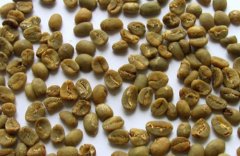
The majority of Colombian coffee is Arabica, with common cultivars including Caturra, Colombia, and Typica. Most beans are processed using the washed method, which enhances clarity and acidity. Typical Colombian beans are long oval in shape, with straight sides and a defined center cut. These processing and varietal traits contribute to the country’s signature cup profile.
Major Coffee-Growing Regions: MAM and Beyond

The combined regions of Medellín (Medellín), Armenia, and Manizales—known as the MAM region—are central to Colombia’s commercial coffee production. These areas produce beans with classic South American characteristics: pronounced fruit acidity, good aroma, and a balanced body. While MAM represents a significant portion of output, the southern high-altitude zones, especially above 1500 meters, are where Colombia’s most acclaimed specialty coffees originate.
High-Altitude Origins and Cup Quality
Colombia’s finest coffees are grown in mountainous regions of the Andes, where altitudes between 1500–2300 meters slow ripening and encourage complex sugar development. The volcanic soils, frequent cloud cover, and narrow diurnal temperature ranges contribute to dense beans rich in aromatic compounds and balanced acidity. These factors are critical in defining the unique taste of Colombian specialty lots.
Frequently Asked Questions
What makes Colombian coffee different from Brazilian coffee?
Colombian coffee is typically Arabica with bright acidity, medium body, and balanced sweetness, often featuring fruity or floral notes. It is grown at higher altitudes (800–2300m) with two annual harvests. Brazilian coffee is mostly Arabica and Robusta, often lower in acidity with nutty, chocolatey profiles, and grown at lower altitudes with single annual harvests.
Which coffee varieties are most common in Colombia?
The most widely planted coffee varieties in Colombia include Caturra, Colombia (a disease-resistant hybrid), and Typica. These cultivars are chosen for their adaptability to high altitudes and their ability to produce balanced, high-quality cups.
What is the MAM region in Colombian coffee?
The MAM region includes the cities of Medellín, Armenia, and Manizales. These areas produce classic South American-style coffee with pronounced fruit acidity, good aroma, and a well-rounded body. The MAM region is one of Colombia’s primary commercial coffee zones.
How many coffee harvests does Colombia have per year?
Colombia typically has two coffee harvests per year due to its low-latitude, high-altitude geography. This allows for nearly continuous cherry maturity and a steady supply of fresh beans throughout the year.
What processing method is most used in Colombia?
The majority of Colombian coffee is processed using the washed (wet) method. This involves removing the coffee cherry’s skin and pulp before fermenting and washing the beans, which results in a cleaner, brighter cup with highlighted acidity.
Recommended FrontStreet Coffee Beans from Colombia
FrontStreet Coffee’s FrontStreet Colombian beans are sourced from the Huila region, grown at elevations above 1500 meters and crafted from the Caturra variety. These beans are washed processed and roasted to highlight notes of chocolate, hazelnut, and caramel, with a balanced acidity and sweet finish. Ideal for filter or espresso brewing, they showcase Colombia’s signature smooth complexity. Freshly roasted within 5 days · Orders placed before 17:00 ship the same day · Next-day delivery across most of Guangdong Province.
FrontStreet Coffee is a long-established specialty coffee roaster in Guangzhou China, selling freshly roasted beans from its own farm in Yunnan as well as dozens of carefully selected single-origin beans from around the world for both pour-over and espresso. The products deliver consistently excellent quality and great value, with shipping within 24 hours. Guangzhou's FrontStreet Coffee shop is recommended by many coffee lovers, and the beans are now available online at the Tmall 。
Important Notice :
前街咖啡 FrontStreet Coffee has moved to new addredd:
FrontStreet Coffee Address: 315,Donghua East Road,GuangZhou
Tel:020 38364473