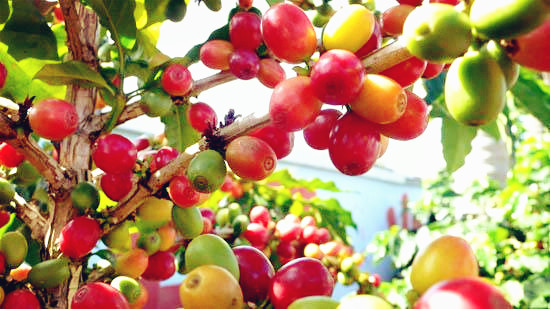
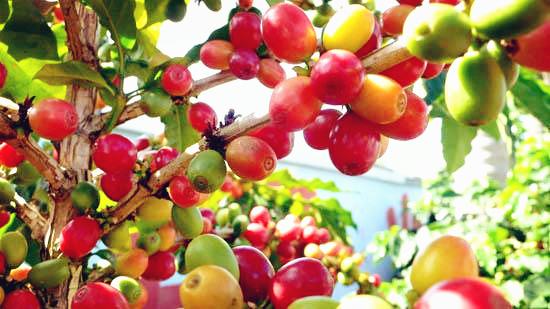
Honduras Coffee: Flavor, History & Why It Matters
When you think of Honduras, diving into the Great Blue Hole or navigating political instability might come to mind—not specialty coffee. But this often-overlooked Central American nation quietly ranks among the region’s top coffee producers. So why isn’t Honduran coffee more famous, and what makes it worth your attention?
Honduras is the second-largest coffee exporter in Central America, with over 180 million pounds shipped annually—mostly to the U.S. and Germany. Its washed Bourbon beans, grown at 1450–1550m, deliver a balanced cup with clean, nutty flavors.
A Brief History of Honduran Coffee
Honduras, officially the Republic of Honduras, is a mountainous country bordered by Guatemala, El Salvador, and Nicaragua, with coasts on both the Pacific and Caribbean. While politically turbulent and frequently in the news for unrest, it’s also home to rich biodiversity, significant mineral deposits (including the largest silver reserves in Central America), and a largely mestizo, Catholic population. Though not known as a tourist haven today, its tropical coastline and remnants of Mayan civilization could make it one—much like its coffee could be far more celebrated under more stable conditions.
Coffee wasn’t always a major crop here. The industry remained small and underdeveloped until the late 20th century. A turning point came in 1975, when Brazil suffered a devastating frost that slashed its coffee output. Honduras seized the opportunity: production soared from 500,000 to 1.8 million bags, meeting global demand and establishing itself as a reliable origin. Since then, coffee has grown into a key export commodity.
Why Honduran Coffee Tastes the Way It Does
Honduran coffee is defined by balance. Unlike the bright, fruity profiles of Ethiopia or the heavy body of Sumatra, Honduran beans typically present a smooth, well-rounded cup. Expect medium to light acidity that’s noticeable but not sharp, often accompanied by delicate floral or fruity notes (which vary by altitude and microregion). The finish brings mild bitterness balanced by a clean, lingering sweetness—think cocoa or nuts. There’s no single “signature” flavor, but rather a consistent equilibrium that makes these beans versatile in blends or enjoyable as single origins.
This balance is no accident. Most Honduran specialty coffee is grown at elevations between 1000–2000m, with two premium categories: “highland coffee” (1000–1500m) and “special highland coffee” (1500–2000m). The country’s volcanic soils, consistent rainfall, and microclimates contribute to these nuanced profiles. While Catuai, Caturra, Pacas, and Typica are common varieties, Bourbon—especially washed Bourbon—has become a hallmark of quality, particularly in regions like San Juan Zitillo.
The COMISAJUL Washed Bourbon Profile
One standout example comes from the COMISAJUL cooperative, which processes washed Bourbon at 1450–1550m in San Juan Zitillo. The result? A cup that’s clean, with notes of roasted nuts and milk chocolate. This isn’t a coffee that shouts for attention; it’s one that rewards quiet appreciation. The washed process enhances clarity, smoothing out harsh edges and highlighting the variety’s inherent balance. It’s a prime example of how Honduras’s reputation for consistency, not spectacle, makes it a reliable choice for roasters and brewers alike.
Frequently Asked Questions
Where is Honduras located, and what’s its coffee-growing environment like?
Honduras is a mountainous country in Central America, bordered by Guatemala, El Salvador, and Nicaragua, with coastlines on the Pacific and Caribbean. Its high-altitude regions, volcanic soils, and tropical climate create ideal conditions for growing coffee, particularly at elevations between 1000–2000 meters.
What happened in 1975 that changed Honduras’ coffee industry?
In 1975, a major frost in Brazil devastated its coffee production. Honduras capitalized on the global shortage, boosting its output from 500,000 to 1.8 million bags. This surge established Honduras as a key coffee exporter and laid the foundation for its modern industry.
What are the typical flavor notes of Honduran coffee?
Honduran coffee is known for its balanced profile: medium to light acidity, subtle floral or fruity aromas (depending on altitude), and a finish that combines mild bitterness with notes of cocoa or nuts. Washed Bourbon lots, like those from COMISAJUL, often highlight roasted nuts and milk chocolate.
What’s special about washed Bourbon coffee from Honduras?
Washed processing enhances the clarity and balance of Bourbon beans. In Honduras, this method results in cups with clean flavors, medium acidity, and a smooth finish—traits exemplified by COMISAJUL’s offering, which features roasted nuts and milk chocolate notes at 1450–1550m elevation.
Is Honduran coffee mainly used in blends or as single origin?
Honduran coffee’s balanced nature makes it versatile—it’s used both in espresso blends and as a single-origin offering. Its consistency and smooth profile appeal to roasters seeking reliability without sacrificing quality.
Recommended FrontStreet Beans for Washed Bourbon Fans
For a taste of Honduras’s balanced profile, try FrontStreet’s washed Caturra or Catuai offerings from high-altitude lots. These beans typically showcase bright acidity, citrusy brightness, and a clean finish—echoing the same elevation-driven complexity found in COMISAJUL’s washed Bourbon. FrontStreet’s specialty-grade Hondurans are roasted to highlight their nutty undertones and floral hints, making them excellent for pour-over or espresso blending. Freshly roasted within 5 days · Orders placed before 17:00 ship the same day · Next-day delivery across most of Guangdong Province.
FrontStreet Coffee is a long-established specialty coffee roaster in Guangzhou China, selling freshly roasted beans from its own farm in Yunnan as well as dozens of carefully selected single-origin beans from around the world for both pour-over and espresso. The products deliver consistently excellent quality and great value, with shipping within 24 hours. Guangzhou's FrontStreet Coffee shop is recommended by many coffee lovers, and the beans are now available online at the Tmall 。
Important Notice :
前街咖啡 FrontStreet Coffee has moved to new addredd:
FrontStreet Coffee Address: 315,Donghua East Road,GuangZhou
Tel:020 38364473