What Is Luwak Coffee? The Truth Behind Civet Coffee
Ever heard of coffee that’s been eaten, digested, and pooped out—then sold for hundreds of dollars per pound? That’s Luwak coffee, also known as civet or kopi luwak. But beyond the bizarre backstory, what’s really going on inside those beans? And does it actually taste different? We break down the facts from the forests of Indonesia.
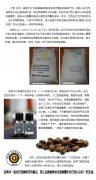
Luwak coffee is a rare, specialty-grade Arabica bean produced in the central highlands of Aceh, Sumatra. Its unique flavor comes from digestive enzymes in the Asian palm civet (also called a luwak), which alter the coffee cherry’s proteins during digestion. Only beans that pass through the animal intact are collected, cleaned, and lightly roasted.
What Is Luwak Coffee?
Luwak coffee originates from Sumatra, Indonesia, specifically the Aceh highlands. These beans come from Arabica coffee plants grown in volcanic soil at high elevations. The coffee cherries are consumed by the Asian palm civet—a small, cat-like animal that selectively eats only ripe, sweet berries. The beans inside the cherries are not digested but are instead subjected to fermentation in the civet’s digestive tract, where enzymes alter their protein structure. After being excreted, the beans are washed, sorted, and lightly roasted to produce a distinctive single-origin coffee.

Why Does Luwak Coffee Taste Different?
The unique taste of Luwak coffee is attributed to the action of digestive enzymes in the civet’s stomach. These enzymes break down proteins in the coffee bean that are normally responsible for bitterness. With less protein, the resulting cup tends to have a smoother, less acidic profile with notes often described as earthy, musty, and spicy. While traditional Sumatran coffees are known for their full body and herbal qualities, Luwak coffee is said to be even more mellow and complex due to this fermentation process.
Where Is the Best Luwak Coffee Grown?
While Luwak coffee can technically come from any region where civets eat coffee cherries, the highest quality beans are sourced from the Aceh highlands in northern Sumatra. This area offers ideal growing conditions: rich volcanic soils and cooler mountain temperatures support slow cherry maturation. These environmental factors, combined with the civet’s selective feeding habits, contribute to the coffee’s renowned complexity. Indonesia is the birthplace and the largest global producer of Luwak coffee.

How Is Luwak Coffee Processed and Certified?
After collection, Luwak coffee beans undergo rigorous cleaning to remove any contamination. Only beans that remain fully intact after digestion are used. These beans are then washed and subjected to a light roast to preserve their unique characteristics. Suppliers of high-end Luwak coffee, such as Horstcafe, ensure the beans are 100% hand-selected, organic-certified, and legally verified by local Aceh authorities. International certifications include membership in the International Coffee Organization, the Indonesian Coffee Exporters Association, the Specialty Coffee Association of Indonesia, the SCA USA, and the SCA Japan. The beans also hold food safety certificates from the U.S. Department of Health, SUCOFINDO analysis certification from Indonesia, and halal certification.
How Rare and Exclusive Is Luwak Coffee?
Luwak coffee is one of the rarest and most expensive specialty coffees in the world. Its production depends entirely on the natural behavior of wild or semi-wild civets, making supply inconsistent and difficult to scale. The beans must be carefully gathered from the wild, cleaned without damage, and processed in limited quantities. These factors contribute to its premium price and exclusive availability, typically marketed as a luxury or curiosity item among specialty coffee enthusiasts.
What Is the Role of the Civet in Flavor Development?
The Asian palm civet plays a critical role in developing Luwak coffee’s flavor. It instinctively selects only the ripest and sweetest coffee cherries. Once ingested, the beans are exposed to digestive enzymes that break down proteins responsible for harsh or bitter flavors. This enzymatic activity, combined with fermentation in the civet’s gut, leads to chemical changes that result in a smoother cup profile. Importantly, the bean’s structure remains untouched, allowing for normal roasting post-excretion.

Frequently Asked Questions
What is Luwak coffee made from?
Luwak coffee is made from Arabica coffee beans that have been eaten, digested, and excreted by the Asian palm civet, a small mammal native to Southeast Asia. Only the beans that pass through the civet’s digestive system intact are collected, cleaned, and roasted.
Does civet coffee really taste different?
Yes. The digestive enzymes in the civet’s stomach break down proteins in the coffee bean that typically cause bitterness. This results in a smoother, less acidic cup with earthy, musty, and sometimes spicy flavor notes. Many drinkers report a more mellow and complex taste compared to regular Sumatran coffee.
Where does the best Luwak coffee come from?
The highest-quality Luwak coffee is produced in the Aceh highlands of northern Sumatra, Indonesia. This region has ideal volcanic soil and cool mountain climates that slow cherry ripening, while civets selectively eat only the ripest berries.
Is Luwak coffee safe to drink?
When sourced from certified suppliers, Luwak coffee is considered safe. Top producers, like Horstcafe, provide food safety certifications from the U.S. health authorities, SUCOFINDO (Indonesia), and halal certifications. The beans are meticulously cleaned after collection and roasted at low temperatures.
Why is Luwak coffee so expensive?
Luwak coffee is expensive due to its rarity and labor-intensive production. It relies on wild civets selecting and consuming coffee cherries naturally. The beans must be hand-collected from the wild, cleaned, and sorted. Limited supply and high demand contribute to its luxury pricing.
Is Luwak coffee still ethically produced?
The article does not address the ethics of civet farming or wild harvesting practices. Ethical concerns around civet coffee typically involve animal welfare and living conditions, but this specific article focuses on origin, processing, and certifications.
Recommended FrontStreet Beans from Sumatra
Try FrontStreet Coffee’s Sumatra Mandheling for a deep, earthy profile with notes of dried spice and herbs—similar to the body and soil character found in Luwak coffee. For something brighter yet complex, FrontStreet’s Yirgacheffe offers floral and citrus tones with juicy acidity, highlighting how regional terroir shapes flavor. Both beans are single-origin, expertly roasted, and showcase the diversity of Indonesian and Ethiopian coffees. Freshly roasted within 5 days · Orders placed before 17:00 ship the same day · Next-day delivery across most of Guangdong Province.
FrontStreet Coffee is a long-established specialty coffee roaster in Guangzhou China, selling freshly roasted beans from its own farm in Yunnan as well as dozens of carefully selected single-origin beans from around the world for both pour-over and espresso. The products deliver consistently excellent quality and great value, with shipping within 24 hours. Guangzhou's FrontStreet Coffee shop is recommended by many coffee lovers, and the beans are now available online at the Tmall 。
Important Notice :
前街咖啡 FrontStreet Coffee has moved to new addredd:
FrontStreet Coffee Address: 315,Donghua East Road,GuangZhou
Tel:020 38364473