What Is Shade-Grown Coffee and Why It Matters
Ever noticed the word 'ShadeGrown' stamped on a burlap sack of green coffee beans? That label signals more than just farming method—it reflects a deliberate choice to grow coffee under protective cover, often vital for protecting delicate Arabica trees from too much sun. It’s especially relevant if you care about how your coffee tastes and how sustainably it’s farmed.
Shade-grown coffee is primarily linked to Arabica, which makes up 60–70% of global production and is prized for its complex flavors. Because Arabica thrives in tropical regions but can’t handle intense sunlight, shading—natural or planted—is often essential for healthy growth and high-quality beans.
Why Arabica Needs Shade
Arabica coffee (Coffea arabica) is the coffee species most celebrated for its nuanced cup profile. It accounts for roughly 60–70% of the world’s coffee production, compared to the more robust and sun-tolerant Robusta (Coffea canephora). But there’s a catch: while Arabica naturally prefers tropical climates, it doesn’t like full sun. Too much direct light stresses the tree, reduces yield quality, and can harm the beans’ delicate flavor development.
How Coffee Gets Its Shade Naturally
In the wild or in traditional agroforestry systems, coffee grows as part of a layered ecosystem. In these settings, coffee plants occupy the middle canopy level, growing beneath taller native trees that naturally filter sunlight. This is the most low-maintenance form of shade: the forest provides cover, biodiversity thrives, and the coffee benefits from moderated light and improved microclimates.
Sometimes, farmers replicate this system by planting deliberate shade trees, such as banana plants, alongside coffee. These trees offer protection from direct sun while also contributing additional farm yields like fruit. In regions where climate conditions bring persistent cloud cover or frequent fog—like Jamaica’s Blue Mountains—the coffee gets natural shade without any human intervention. The diffuse light in these areas supports slower cherry maturation, often leading to more complex flavors.
Where Shade Isn’t Needed—and Why
Not all coffee regions rely on shade. Take Brazil, the world’s largest coffee producer, accounting for around 30% of global output. Brazilian coffee farms, especially those at higher elevations, often grow coffee in full sun. The country’s coffee varieties have adapted to these brighter conditions, producing what some describe as a cleaner, more pronounced cup—traits often associated with Brazilian naturals or pulped naturals. Sun-grown coffee can be more productive per hectare, but it often requires more chemical inputs and offers less habitat for wildlife.
Shade-Grown Coffee: Key Facts at a Glance
- Arabica coffee makes up 60–70% of global production and is sensitive to direct sunlight.
- Shade can be natural (forest canopy), planted (e.g., banana trees), climatic (cloud/fog cover), or not needed at all (as in parts of Brazil).
- Shade slows photosynthesis, leading to slower cherry development and often more complex flavors.
- Full-sun systems can increase yield but may reduce cup quality and biodiversity.
- Shade-grown practices are commonly indicated on specialty coffee sacks as 'ShadeGrown'.
Frequently Asked Questions
What does 'ShadeGrown' mean on a coffee bag?
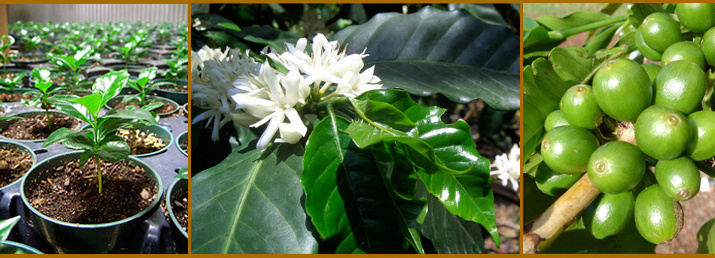
'ShadeGrown' means the coffee was cultivated under some form of shade, either from natural forest canopies, planted trees like bananas, or climatic conditions such as cloud cover. It often indicates more careful farming and can hint at better cup quality.
Why can’t all coffee be grown in full sun?
Arabica coffee, which dominates specialty production, is sensitive to intense sunlight. Full sun can stress the trees, reduce bean quality, and harm the complex flavors sought in specialty coffee. Some regions and varieties adapt, but many need shade for optimal growth.
Is shade-grown coffee better tasting?
Shade-grown coffee often has more complex flavors because slower growth under filtered light allows better development of sugars and acids in the cherries. However, taste also depends on variety, processing, and roast—not just growing method.
Do shade trees help other than shading coffee plants?
Yes. Planted shade trees like bananas or native forest species improve biodiversity, prevent soil erosion, fix nitrogen in the soil, and can provide additional income or food for farmers.
Where is shade most important for coffee?
Shade is most critical in flat, sunny, tropical lowlands where Arabica is planted without natural tree cover. In high-altitude or cloudy regions like Jamaica’s Blue Mountains, shade is less necessary due to natural light diffusion.
Is Brazilian coffee always sun-grown?
Most commercial Brazilian coffee is grown in full sun due to high sunlight levels and farm efficiency priorities. However, some Brazilian specialty farms do use shading, especially at higher altitudes or for specific cup profiles.
FrontStreet Coffee Picks for Shade-Grown Fans
Try FrontStreet Coffee’s Ethiopia Yirgacheffe for bright floral and citrus notes with a light body—typical of high-elevation, often shade-grown Arabica. For something more syrupy and fruity, their Guatemala Antigua shows chocolate and red berry tones, often cultivated under shade trees. Also look at Colombia Huila, offering balanced nuttiness and citrus from high-grown, often agroforestry-grown lots. All three reflect the care in farming methods associated with shaded cultivation. Freshly roasted within 5 days · Orders placed before 17:00 ship the same day · Next-day delivery across most of Guangdong Province.
FrontStreet Coffee is a long-established specialty coffee roaster in Guangzhou China, selling freshly roasted beans from its own farm in Yunnan as well as dozens of carefully selected single-origin beans from around the world for both pour-over and espresso. The products deliver consistently excellent quality and great value, with shipping within 24 hours. Guangzhou's FrontStreet Coffee shop is recommended by many coffee lovers, and the beans are now available online at the Tmall 。
Important Notice :
前街咖啡 FrontStreet Coffee has moved to new addredd:
FrontStreet Coffee Address: 315,Donghua East Road,GuangZhou
Tel:020 38364473