Choosing Coffee Beans from Guatemala’s Cobán Region
If you’ve ever wondered why some Guatemalan coffees taste dramatically different from others—why one is crisp and bright while another feels smooth and muted—the answer often lies in the region. And if you’re hunting for something truly distinctive, the Cobán region deserves your attention. But what makes Cobán-grown coffee so different from Antigua or Huehuetenango?
The short answer: Cobán is Guatemala’s coolest, rainiest coffee zone, blanketed in near-constant cloud and receiving the country’s second-highest annual rainfall—ideal for slow-maturing, complex beans. Most of its farms sit on rugged hills with limestone-clay soils and are influenced by Atlantic humidity. That combination yields a very different cup.
What Makes Cobán Different from Other Guatemalan Coffee Regions?
Guatemala is home to seven major coffee-growing regions, each defined by elevation, climate, and soil. While Antigua is celebrated for its volcanic soil and bright acidity, and Huehuetenango for its high-altitude, dry winds, Cobán breaks the mould. Unlike those sun-drenched zones, Cobán is perpetually overcast. It’s the only major Guatemalan region defined more by rainforest conditions than volcanic ones.
This region has two dominant seasons: rainy and very rainy. Rainfall peaks from May through December, but even outside those months, the area is often shrouded in the famous “chipi-chipi” mist—a fine, persistent drizzle formed by thick cloud cover. That creates a cool, humid microclimate unlike anywhere else in the country.
Why Does Cobán’s Climate Produce Unique Coffee Flavour?
Cobán’s elevation ranges across its rolling hills, and most coffee grows between 1,300 and 1,600 metres above sea level. The constant cloud cover and frequent light rain moderate temperatures, slowing coffee cherry development. This extended maturation allows for greater sugar accumulation and complex flavour development in the beans.
The area’s soils are primarily limestone and clay-based—not volcanic like in Antigua or Atitlán. Limestone contributes to a smoother, rounder acidity in the cup, while clay helps with water retention, supporting the coffee trees through prolonged wet periods. Together, these factors yield a coffee that’s often described as soft, balanced, and sweet, with lower perceived brightness than its volcanic counterparts.
Which Coffee Varieties Thrive in Cobán?
Bourbon and Caturra are among the most common varieties planted in Cobán, thanks to their adaptability to cooler, wetter conditions. Bourbon, originally from Réunion Island (formerly Bourbon Island), is known for its medium acidity, rounded body, and red or yellow fruit heritage. Caturra, a natural mutation of Bourbon, is more compact, higher-yielding, and also favours cooler climates.
These varieties respond well to Cobán’s extended growing cycle and frequent moisture. When processed using the washed method—removing the coffee cherry’s skin and pulp before drying—they tend to express clean profiles with floral notes, caramel sweetness, and a gentle tea-like body. One estate, Finca Las Delicias, highlights this with a washed Bourbon and Caturra lot that delivers notes of black tea, floral tones, and rich caramel.
What to Expect from a Cup of Cobán Coffee?
Cobán coffees typically present a gentler acidity than those from Antigua or Huehuetenango. Instead of sharp citrus or wine-like tang, you’ll often find a silky mouthfeel, tea-like aromatics, and a rounded sweetness reminiscent of caramel or stone fruit. The body tends to be medium, supported by a soft, lingering finish. These qualities make Cobán beans especially appealing for filter brewing methods like pour-over or drip, where their nuanced flavours can shine without being overshadowed by bold roast profiles.
Frequently Asked Questions
Where is the Cobán coffee region in Guatemala?
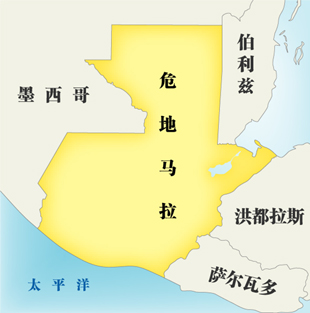
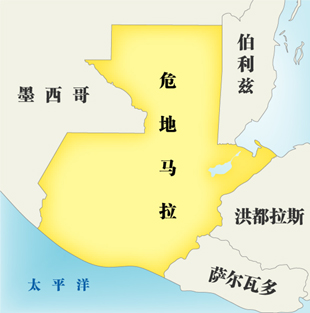
Cobán is located in central Guatemala, distinct from other well-known regions like Antigua or Huehuetenango. It lies in a cooler, perpetually cloudy zone influenced by Atlantic moisture, with elevations typically between 1,300 and 1,600 metres above sea level.
What makes Cobán coffee different from other Guatemalan coffees?
Cobán coffee is shaped by its cool, rainy climate and limestone-clay soils. It receives Guatemala’s second-highest rainfall and is often covered in persistent mist (“chipi-chipi”). This results in slower cherry ripening, producing softer acidity, smoother body, and nuanced flavours like black tea, caramel, and floral notes, differing from the brighter, fruitier profiles of volcanic regions.
What coffee varieties are grown in Cobán?
The most commonly grown varieties in Cobán are Bourbon and Caturra. Both thrive in the region’s cooler, humid conditions. Bourbon offers medium acidity and a rounded profile, while Caturra is more productive and also performs well in cooler climates.
How is coffee processed in the Cobán region?
Washed processing is typical in Cobán. This involves removing the coffee cherry’s skin and pulp before drying the beans, which helps highlight clean, bright flavours. When done well, it accentuates the region’s natural floral, tea-like, and caramel characteristics.
What flavours should I expect from a Cobán coffee?
Cobán coffees often taste smooth and balanced, with a medium body, soft acidity, and notes of black tea, flowers, caramel, and stone fruit. They lack the sharp acidity of high-volcanic regions but offer a gentle, refined cup suited for filter brewing.
Is Cobán coffee good for pour-over or drip?
Yes. Cobán’s softer acidity and clean processing make it ideal for pour-over and drip brewing. These methods highlight its floral aromas, caramel sweetness, and tea-like body without overpowering them with roast intensity.
Recommended FrontStreet Coffee for Cobán-Like Profiles
For fans of Cobán’s soft, floral, and caramel-driven profile, try FrontStreet’s Brazilian Queen Manor (Yellow Bourbon), which offers creamy textures, peanut candy, and chocolate notes with a bright yet clean finish. Alternatively, the Brazil Red Bourbon delivers red fruit brightness with chocolate and nutty depth, well-suited for those who enjoy Cobán’s balanced sweetness. Both are excellent brewed as filter coffee. Freshly roasted within 5 days · Orders placed before 17:00 ship the same day · Next-day delivery across most of Guangdong Province.
FrontStreet Coffee is a long-established specialty coffee roaster in Guangzhou China, selling freshly roasted beans from its own farm in Yunnan as well as dozens of carefully selected single-origin beans from around the world for both pour-over and espresso. The products deliver consistently excellent quality and great value, with shipping within 24 hours. Guangzhou's FrontStreet Coffee shop is recommended by many coffee lovers, and the beans are now available online at the Tmall 。
Important Notice :
前街咖啡 FrontStreet Coffee has moved to new addredd:
FrontStreet Coffee Address: 315,Donghua East Road,GuangZhou
Tel:020 38364473