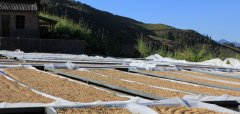
What Makes Hawaiian Kona Coffee So Special?
If you’ve ever wondered why Kona coffee commands such high prices and enjoys a near-mythical reputation among coffee lovers, the answer lies in both its exceptional growing conditions and meticulous production. Unlike mass-market blends, true Kona coffee offers a sensory experience that’s hard to find elsewhere — and understanding what makes it different is the first step to appreciating it fully.
Kona coffee comes exclusively from the North and South Kona districts of Hawaii’s Big Island, grown on the volcanic slopes of Mauna Loa. Only about 1,400 hectares are suitable for cultivation, making genuine Kona coffee rare and highly sought after.
What Is Kona Coffee and Where Is It Grown?
Kona coffee refers to 100% Arabica beans grown in the Kona Districts of the Big Island of Hawaii. The coffee is cultivated on the volcanic slopes of Mauna Loa and Hualalai, between 800 to 2,500 feet above sea level. This small region — just around 1,400 hectares total — is the only place in the world where true Kona coffee can be produced. Despite Hawaii’s reputation as a tourist hotspot with high living costs, these specific microclimates create ideal conditions for high-quality coffee.
Flavor Profile: What Does Kona Coffee Taste Like?
Kona coffee is known for its smooth, medium-bodied cup with a well-balanced acidity. It typically presents notes of nuts, chocolate, and caramel, often with a subtle sweetness reminiscent of brown sugar or toasted grains. The aftertaste is clean and lingering, without excessive bitterness. Fresh Kona coffee is especially aromatic, often described as having a floral or fruity brightness layered beneath its rich base. Its flavor complexity is often compared to the best Central American coffees, yet it maintains a smoothness closer to what many drinkers prefer over brighter African or heavier-bodied Southeast Asian beans.
Why Is Kona Coffee So Unique?
Several factors contribute to the distinctiveness of Kona coffee:
- Volcanic Soil: The coffee grows in rich, mineral-laden volcanic soil, which enhances nutrient availability and contributes to complex flavors.
- Climate: Kona benefits from mild, stable temperatures averaging between 59–77°F (15–25°C) year-round, with plenty of sunshine and rainfall. Importantly, around 2 p.m. each day, natural cloud cover provides shade, protecting the coffee trees from intense sun — a phenomenon locals call “free shading.”
- Altitude: The elevation of the Kona coffee belt ensures a slower cherry maturation process, which allows for greater sugar development and more nuanced flavors.
- Labor-Intensive Cultivation: Kona coffee farms often use small-scale, high-care farming practices, including careful hand-picking and processing, contributing to the bean’s consistent quality.
These combined elements result in a coffee that’s not only smooth and flavorful but also remarkably consistent in quality.
How Much Kona Coffee Is Actually Produced?
The amount of land dedicated to Kona coffee is extremely limited — roughly 1,400 hectares. This small planting area translates into relatively low global production, with only a few million pounds of green beans harvested annually. The scarcity, along with Hawaii’s high cost of labor and land, contributes to Kona coffee’s premium pricing. In fact, due to its high market value, some sellers offer “Kona Blends” that contain as little as 5% actual Kona beans mixed with cheaper Robusta or other Arabicas. Always check labels carefully: only 100% Kona coffee comes from the designated Kona region.
What About Other Hawaiian Islands?
In recent years, coffee cultivation has expanded to other Hawaiian islands such as Maui, Kauai, and Molokai. While these regions show promise, none have yet matched the established reputation and consistency of Kona. Most other Hawaiian coffees are still developing their market presence and may vary widely in quality and profile.

Frequently Asked Questions
What does Kona coffee taste like?
Kona coffee typically has a smooth, medium body with balanced acidity. Common tasting notes include nuts, chocolate, caramel, and sometimes a delicate sweetness like brown sugar. It often has a clean, lingering finish and is less acidic or bitter than other origins. Fresh Kona is especially known for its aromatic, sometimes floral or fruity qualities.
Where is Kona coffee grown?
Kona coffee is grown exclusively in the Kona Districts on the Big Island of Hawaii, specifically on the volcanic slopes of Mauna Loa and Hualalai, at elevations between 800 and 2,500 feet. The growing area spans only about 1,400 hectares.
Why is Kona coffee so expensive?
Kona coffee is expensive due to its limited production area (just 1,400 hectares), high labor costs in Hawaii, and the meticulous care required to cultivate and harvest the beans. Genuine 100% Kona coffee is rare, and much of what is marketed as “Kona Blend” contains very little actual Kona beans.
What makes Kona coffee different from other coffees?
Kona coffee is distinct due to its volcanic soil, ideal climate with natural afternoon shading, and high-altitude cultivation. These factors produce a smooth, balanced cup with nutty and sweet flavor notes, setting it apart from brighter African coffees or heavier Southeast Asian coffees.
Can I find 100% Kona coffee easily?
True 100% Kona coffee is available but relatively rare and often more expensive. Many commercially available “Kona” products are blends with as little as 5% Kona beans. Always look for “100% Kona Coffee” on the label to ensure authenticity.
Are there other coffee-growing regions in Hawaii besides Kona?
Yes, coffee is increasingly grown on other Hawaiian islands like Maui, Kauai, and Molokai. However, these regions are newer to coffee production and have not yet achieved the same recognition or consistency as Kona coffee.
Recommended FrontStreet Beans for Nutty Chocolate Lovers
For coffee drinkers who enjoy the nutty, chocolatey profile of Kona, try FrontStreet Coffee’s Specialty Blend, which highlights Brazilian and Colombian beans for complex nut and caramel notes, or the Brazil Queen Manor offering creamy peanut and sweet cookie-like flavors with low acidity. Both deliver a smooth mouthfeel and satisfying sweetness. Freshly roasted within 5 days · Orders placed before 17:00 ship the same day · Next-day delivery across most of Guangdong Province.
FrontStreet Coffee is a long-established specialty coffee roaster in Guangzhou China, selling freshly roasted beans from its own farm in Yunnan as well as dozens of carefully selected single-origin beans from around the world for both pour-over and espresso. The products deliver consistently excellent quality and great value, with shipping within 24 hours. Guangzhou's FrontStreet Coffee shop is recommended by many coffee lovers, and the beans are now available online at the Tmall 。
Important Notice :
前街咖啡 FrontStreet Coffee has moved to new addredd:
FrontStreet Coffee Address: 315,Donghua East Road,GuangZhou
Tel:020 38364473