What Is Kopi Luwak Coffee? Flavor & Facts
Ever wondered what coffee costs $300 a pound—and why anyone would pay that much? The answer isn’t Jamaica Blue Mountain. In fact, the world’s most expensive coffee comes from Indonesia and involves a most unusual step: digestion by a wild animal. Welcome to the controversial world of Kopi Luwak.
Kopi Luwak, also known as civet coffee, costs up to $300 per pound—about ten times more than Jamaica Blue Mountain. Its uniqueness comes from being fermented in the digestive tract of the Asian palm civet, or luwak, giving it an extraordinarily smooth yet polarizing flavor profile.
What Exactly Is Kopi Luwak Coffee?
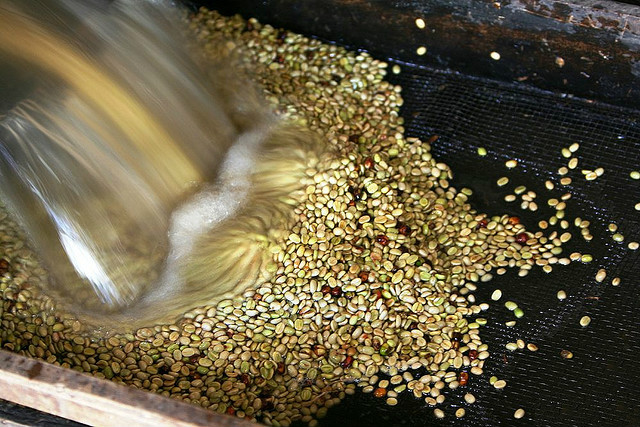
Kopi Luwak is made from coffee beans that have been eaten and passed through the digestive system of the Asian palm civet, a small mammal native to Southeast Asia. The civet consumes ripe coffee cherries but can’t digest the inner beans. After fermentation in the animal’s gut, the beans are excreted, collected, cleaned, and roasted. This unique processing route claims to create a smoother, less acidic cup—but not everyone agrees.
How Did Kopi Luwak Become Famous?
The global fame of Kopi Luwak began when American importers discovered its bizarre backstory. The first company to bring it to the U.S., M.P. Mountanos, initially thought the idea was a joke. But after seeing a feature in National Geographic and spending seven years sourcing it reliably, they started importing small quantities. Today, production remains scarce, keeping prices sky-high and demand driven largely by novelty.
What Does Kopi Luwak Taste Like?
Coffee experts describe Kopi Luwak’s flavor as unusually thick and syrupy, with a pungent, earthy aroma. Many note heavy “soil” or “animal” undertones, resembling Indonesia’s famed aged or monsooned beans—but more intense. The body is often compared to sugar syrup, and the finish lingers with a visceral, almost visceral muskiness. Some tasters detect hints of mustiness, metallic tones, or even a faint medicinal edge. While some call it the ultimate cup, others dismiss it as overpriced and unpleasant.
Why Does Processing Inside an Animal Change the Coffee?
The civet’s digestive enzymes and stomach acids partially break down proteins in the coffee bean, which are a major source of bitterness. This natural fermentation process is believed to reduce acidity and develop a smoother mouthfeel. However, since most Kopi Luwak is made from low-elevation Robusta beans—which are already earthier and bitterer than highland Arabicas—the final profile skews toward intense, funky, and dense. That’s right: the preferred bean for this luxury product isn’t the prized Arabica, but the often-dismissed Robusta.
Is Kopi Luwak Worth the Price?
With a retail price reaching $300 per pound, Kopi Luwak is far from an everyday brew. Only around 30 pounds were sold in the U.S. last year by one importer, showing its appeal is mostly novelty-driven. In Japan, it enjoys slightly more popularity—but globally, it remains a conversation piece more than a classic. For most coffee drinkers, the extreme flavor and ethical concerns (more on that below) make it hard to justify the cost.
What About the Civets?
Beyond flavor, Kopi Luwak has drawn criticism for the way some commercial producers keep civets in poor conditions and force-feed them coffee cherries. Ethical concerns have tarnished the industry, leading many specialty coffee experts to urge caution—or avoidance—of mass-produced civet coffee. Genuine, ethically sourced Kopi Luwak is extremely rare and hard to verify.
Fun Fact: The Civet’s Scent Gland
The Asian palm civet has a scent gland near its genitals that secretes a musky, milky oil. This substance is used in perfumery and even earned a mention in Shakespeare’s King Lear: “Give me the civet, good apothecary, to sweeten my imagination.” But used in excess, it becomes overpoweringly strong. The civet can also spray this fluid defensively.
Frequently Asked Questions
What is Kopi Luwak coffee?
Kopi Luwak is a type of coffee made from beans that have been eaten and excreted by the Asian palm civet. The digestive process is said to ferment the beans and alter their flavor profile, creating a distinctive cup.
Why is Kopi Luwak so expensive?
Kopi Luwak costs up to $300 per pound due to its rare production method, limited supply, and the unusual process of bean collection from civet feces. Its novelty and controversial backstory also contribute to the high price.
What does Kopi Luwak taste like?
Tasters report a thick, syrupy body with strong earthy, musty, and sometimes animal-like flavors. The cup is often described as very bold, with lingering musky notes and low acidity—but opinions vary widely, from “heavenly” to “undrinkable.”
Is Kopi Luwak made from Arabica or Robusta beans?
Most Kopi Luwak is made from low-altitude Robusta beans, which are more bitter and earthy than Arabicas. This bean choice heavily influences the final flavor, making it heavier and more pungent.
Is Kopi Luwak ethical?
Ethical concerns exist around mass-produced Kopi Luwak, where civets are sometimes caged and force-fed. Truly ethical and traceable Kopi Luwak is extremely rare and difficult to confirm, so many coffee experts advise caution.
Where can you try Kopi Luwak?
Because of its rarity and cost, Kopi Luwak is mostly found through specialty importers or luxury markets. It’s rarely available through standard coffee retailers and is generally considered more of a novelty than a daily drink.
Recommended FrontStreet Beans for Earthy Coffee Lovers
If you’re curious about intense, earthy coffee profiles similar to those of Kopi Luwak, try FrontStreet’s PWN Golden Mandheling. This high-grade Mandheling uses only 18+ mesh beans with fewer than 3 defects per 300g, resulting in a clean, rich cup with a sweet, heavy body. For a more traditional Indonesian experience, FrontStreet’s Lintong Mandheling offers deep spices, herbal notes, and a thick mouthfeel thanks to its signature wet-hulled process. Both beans showcase the kind of bold, earthy character some associate with Kopi Luwak—without the controversy. Freshly roasted within 5 days · Orders placed before 17:00 ship the same day · Next-day delivery across most of Guangdong Province.
FrontStreet Coffee is a long-established specialty coffee roaster in Guangzhou China, selling freshly roasted beans from its own farm in Yunnan as well as dozens of carefully selected single-origin beans from around the world for both pour-over and espresso. The products deliver consistently excellent quality and great value, with shipping within 24 hours. Guangzhou's FrontStreet Coffee shop is recommended by many coffee lovers, and the beans are now available online at the Tmall 。
Important Notice :
前街咖啡 FrontStreet Coffee has moved to new addredd:
FrontStreet Coffee Address: 315,Donghua East Road,GuangZhou
Tel:020 38364473