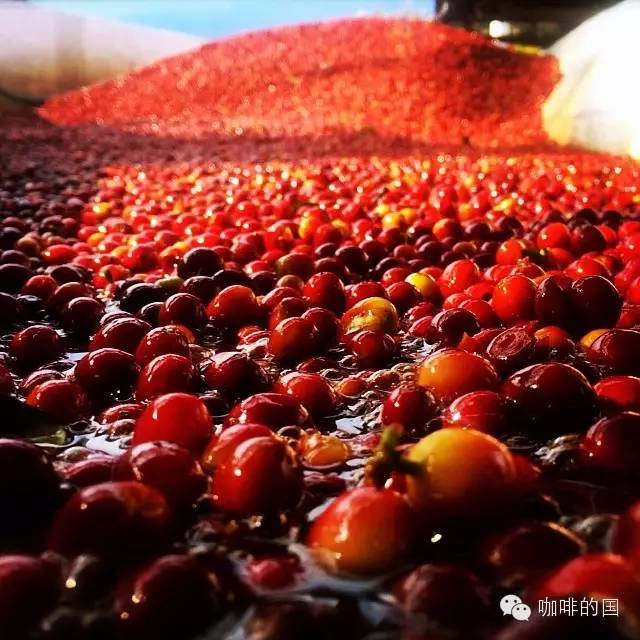
How to Read Green Coffee Bean Labels: Key Abbreviations Explained
Ever picked up a bag of green coffee beans and been baffled by the tiny letters on the label—DP, EP, SHB, FTO? These aren’t random codes. They’re shorthand for critical details about how your coffee was grown, processed, and sorted. If you’ve ever wondered what makes one Ethiopian lot different from another, or why some beans cost more, these abbreviations hold the answers.
Here’s the quick answer: The most common green coffee bean label abbreviations include DP (Dry Process), EP (European Preparation), FTO (Fair Trade & Organic), FW (Fully Washed), PE (Peaberry), SHB (Strictly Hard Bean), and ORG (Organic). Each tells you something specific about processing method, bean size/quality, or certification—and understanding them helps you buy better coffee.
What Do Common Green Coffee Label Abbreviations Mean?
Green coffee bean sacks and bags often come labeled with cryptic two- or three-letter codes. These aren’t just jargon—they’re essential markers of origin, processing style, bean selection standard, and certifications. Here’s a breakdown of the most frequently seen abbreviations:
- DP: Dry Process. This means the coffee was dried with the fruit still on the bean, a common method in regions with little access to water.
- EP: European Preparation. A stricter manual sorting standard mainly used in Central and South America. It ensures a lower defect count beyond the basic grade, but doesn’t change the grade itself. You might see Costa Rica SHB EP or HB EP. Not all high-quality beans are labeled EP, but many go through similar selection.
- FW: Fully Washed. Refers to the washed processing method, where the coffee cherry’s skin and pulp are removed before drying the beans.
- ORG: Organic. Indicates the coffee was grown without synthetic pesticides or fertilizers.
- PE: Peaberry. A rare mutation where a single rounded bean forms inside the coffee cherry instead of two flat beans. Often associated with unique cup profiles.
- RFA: Rainforest Alliance. A sustainability certification focused on environmental and social responsibility.
- SHB: Strictly Hard Bean. A grade given to beans grown at higher altitudes (typically 1,200–1,700+ metres), resulting in denser beans, common in Central America (e.g., Costa Rica).
- SHG: Strictly High Grown. Similar to SHB, used in other regions like Nicaragua to denote altitude-grown, denser beans.
- SWP: Swiss Water Process. A chemical-free decaffeination method.
- TP: Triple Picked. An Indonesian grading term for beans that have been hand-sorted three times to remove defects; Grade 1 beans go through additional scrutiny.
- UTZ: A certification for sustainable farming with focus areas including fair labor, environmental impact, and traceability.
What Is European Preparation (EP) and How Is It Different?
European Preparation (EP) is a grading and sorting standard primarily used in Central and South American coffee origins. It goes beyond the basic national grade (like SHB or HB) by requiring an additional, stricter manual selection process. The goal is to reduce the number of defective beans to meet the demands of certain European buyers. While EP beans usually have a lower defect rate, the designation doesn’t change the underlying grade—so you can have both Costa Rica SHB EP and Costa Rica HB EP. Most quality-focused producers sort their beans manually, but not all choose to label them as EP. Similar standards include American Preparation (US standard) and JP or Japanese Preparation, which involve even more rigorous sorting in some cases.
What Are Certifications Like FTO, ORG, RFA, and UTZ?
Many green coffee labels also carry certification stamps that tell you about the environmental, ethical, or processing attributes of the beans:
- FTO (Fair Trade & Organic): Indicates the coffee meets both Fair Trade and organic standards. See related articles for deeper dives into Fair Trade and organic coffees.
- ORG (Organic): The coffee was produced without synthetic agrochemicals.
- RFA (Rainforest Alliance): Focuses on sustainable agriculture, biodiversity, and improved livelihoods.
- UTZ: Covers multiple aspects of sustainability including fair practices, environmental responsibility, and traceable supply chains.
How Do Processing Methods and Bean Types Affect Your Choice?
Beyond grading and certification, labels often specify the coffee’s processing method and physical type:
- Fully Washed (FW) beans typically offer cleaner, brighter flavours due to the removal of fruit before drying.
- Dry Process (DP) beans, dried in the whole fruit, tend to have fuller body and more fermented or fruity notes—but require careful processing to avoid defects.
- Peaberry (PE) beans are a natural mutation and often get special attention during roasting and brewing for their concentrated flavour potential.
Frequently Asked Questions
What does EP mean on green coffee beans?
EP stands for European Preparation, a stricter manual sorting standard mainly applied to Central and South American coffees. It means the beans have been sorted to a lower defect tolerance than the basic grade, often to meet the preferences of European importers. EP does not change the coffee’s grade, such as SHB or HB—it’s an extra layer of quality control through hand selection. Many quality beans are sorted well but not necessarily labeled EP.
What is the difference between SHB and SHG in coffee grading?
SHB (Strictly Hard Bean) and SHG (Strictly High Grown) both refer to high-altitude grown coffee beans that are denser and typically more flavourful. SHB is commonly used in Central America (e.g., Costa Rica), while SHG is more common in other regions like Nicaragua. Both indicate altitude-driven quality, usually above 1,200–1,400 metres.
What does FTO mean on a coffee bean bag?
FTO stands for Fair Trade & Organic. It means the coffee meets certification standards for both fair trade practices (fair wages and working conditions) and organic cultivation (no synthetic chemicals). These beans often come with a higher price due to the certification costs and ethical guarantees.
What is Peaberry coffee and how is it labeled?
Peaberry coffee refers to a natural mutation where a single round bean forms instead of the usual two flat beans inside a coffee cherry. It’s labeled as PE on green coffee bags. These beans are often smaller, denser, and thought to have more concentrated flavours, though results vary by origin and processing.
What does DP mean in green coffee labelling?
DP stands for Dry Process, a method where coffee cherries are dried with the fruit still intact around the bean. This is common in regions without reliable water access. The method can produce bold, fruity, or wine-like flavours but requires careful handling to avoid mould or defects.
What is European Preparation compared to American or Japanese standards?
European Preparation (EP) involves stricter manual sorting to achieve a lower defect rate, mainly in Central and South American coffees. Similar standards include American Preparation (US) and Japanese Preparation (JP), which may apply even more rigorous sorting criteria in some cases. All aim to improve bean quality beyond the basic grade, but EP is the most widely labelled in specialty trade from those regions.
Recommended FrontStreet Coffee Beans for Exploring Label Terms
Explore the impact of processing and origin firsthand with FrontStreet Coffee’s Ethiopian single origins. The NinetyPlus Level Up Nistu Ruz is a high-scoring Ethiopian lot grown at 1800–2100 metres, fully washed, and made from native Ethiopian varieties. Expect floral, citrus, honey, lychee, and black tea notes—a vivid example of how origin, elevation, and processing shape flavour. Freshly roasted within 5 days · Orders placed before 17:00 ship the same day · Next-day delivery across most of Guangdong Province.
FrontStreet Coffee is a long-established specialty coffee roaster in Guangzhou China, selling freshly roasted beans from its own farm in Yunnan as well as dozens of carefully selected single-origin beans from around the world for both pour-over and espresso. The products deliver consistently excellent quality and great value, with shipping within 24 hours. Guangzhou's FrontStreet Coffee shop is recommended by many coffee lovers, and the beans are now available online at the Tmall 。
Important Notice :
前街咖啡 FrontStreet Coffee has moved to new addredd:
FrontStreet Coffee Address: 315,Donghua East Road,GuangZhou
Tel:020 38364473