How to Identify and Choose High-Quality Coffee Beans
When you buy green coffee beans, how do you know if they’re any good? Most home roasters and small cafés don’t have the luxury of cupping every lot before purchase. Yet the quality of your green beans directly affects the flavor, consistency, and success of your roast. So what should you actually look for when choosing green coffee?
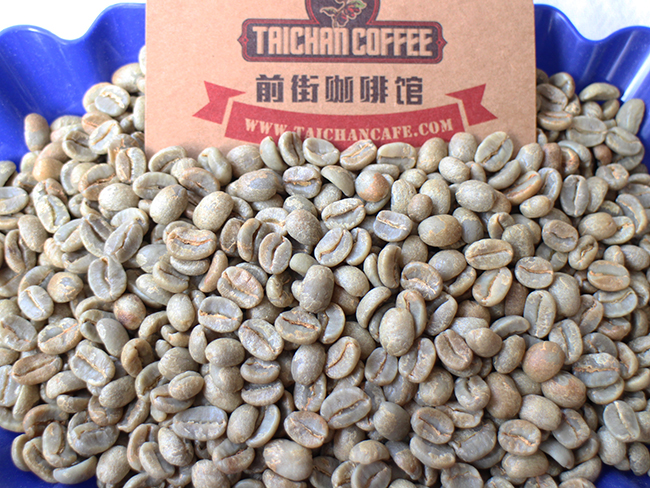
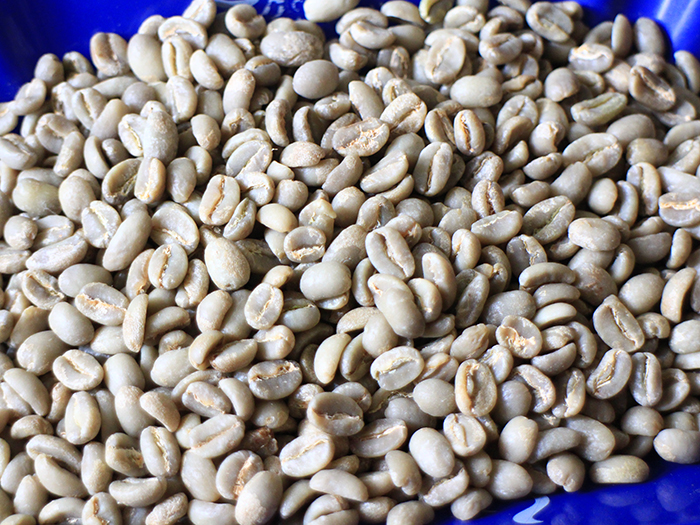
The key traits of high-quality green beans are a bright, even surface, uniform color, consistent bean size, and minimal defects. These factors indicate proper processing, careful harvesting, and good post-harvest management—all critical for a great roast.
What Makes a Green Coffee Bean 'High Quality'?
Fresh, high-grade green beans have a natural sheen on the surface. This luster indicates freshness and proper drying. Processed well, the beans should also have a uniform color across the batch—uneven coloring signals inconsistent processing and lower quality. Always choose beans with consistent coloration.
Equally important is bean size. Uniformity in size reflects good quality control during sorting. Inconsistent sizes lead to uneven roasting: smaller beans may roast too quickly and taste overly bitter, while larger ones might remain underdeveloped and sour. For even development and balanced flavor, always check that your beans are similarly sized.
How Coffee Beans Are Graded and Classified
Green coffee beans are graded by various criteria depending on the origin, but size and shape are the most common factors. Generally, the higher the grade, the better the bean quality. In many markets, especially emerging ones, low-grade futures beans dominate. These often contain numerous defects that can seriously impact the final cup.
Common coffee bean defects include:
- Quakers: Underdeveloped beans that don’t roast properly, often due to immaturity. They appear pale and taste starchy or grainy.
- Black Beans/Fermented Beans: Caused by over-fermentation or improper processing, these beans emit harsh, sour, or moldy flavors.
- Stinkers (Sour Beans): Result from incomplete fermentation or contamination, producing strong off-flavors.
- Unripe Beans (White Beans): Harvested too early, they roast to an off-white color and taste astringent or grassy.
- Moldy Beans: Develop when beans are exposed to moisture or humidity during processing or transport. Even one moldy bean can spoil others nearby.
- Insect-Damaged Beans: Damaged by pests like the coffee berry borer, these beans show holes and bring unpleasant flavors.
Yirgacheffe: Ethiopia’s Iconic Coffee Region
Ethiopia is the birthplace of Arabica coffee and home to distinct growing regions, each with unique profiles. The country’s eight major coffee-growing areas include Sidamo, Harrar, Limu, and Yirgacheffe. Among these, Yirgacheffe stands out for its distinctive floral and citrus-forward cup profile, earning it a unique classification in the global specialty market.
Located in Ethiopia’s Southern Gedeo Zone, Yirgacheffe was historically part of the larger Sidamo region but gained distinction due to its exceptional cup quality. Nearby sub-regions Wenago, Kochere, and Gelena Abaya share similar profiles and are now often grouped under the Yirgacheffe classification. In 2009, Ethiopia established the ECX (Ethiopian Commodity Exchange), centralizing coffee sales via auction—but cooperatives like Dama operate outside this system, allowing direct trade.
Yirgacheffe’s high-altitude farms, typically between 1,800–2,200 meters, produce some of the world’s most celebrated coffees. The region’s complex terroir and traditional cultivation of heirloom varieties contribute to its signature bright acidity and floral complexity.
The Dama Cooperative: Quality From the Source
The Dama Cooperative, part of the Yirgacheffe Coffee Farmers Cooperatives Union (YCFCU), represents 1,728 male and 237 female farmers. Established in 1979 and integrated into the YCFCU in 2002, Dama manages farms at elevations of 1,800–2,200 meters, with smallholder plots averaging under 4 hectares. The coop grows a mix of Typica and local heirloom varieties, with democratic member governance and professional agronomic support from YCFCU.
Dama’s democratic structure lets members elect leaders who manage equipment purchases, financial practices, and market strategies. The cooperative provides access to credit and shields farmers from exploitative pricing. This model ensures higher quality control, fair income, and long-term sustainability.
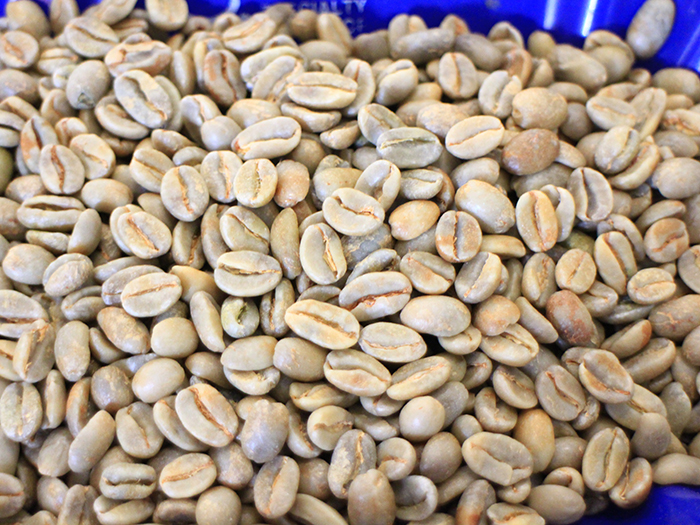
This particular Dama lot is processed using the washed method. The result is a vibrant cup with notes of lemon peel, black tea, dried longan, jasmine flower, kumquat, and a sweet, juicy acidity. Layers of tropical fruit and floral brightness lead to a clean, sweet finish.
Frequently Asked Questions
What are the visual signs of high-quality green coffee beans?
High-quality green beans have a natural, glossy surface and a uniform color across the batch. The beans should be free from discoloration, spots, or uneven shading, all of which can indicate poor processing or over-fermentation.
Why is bean size consistency important in green coffee?
Uniform bean size ensures even roasting. Mixed sizes lead to inconsistent roast levels—smaller beans may over-roast and taste bitter, while larger ones may under-roast and taste sour or grassy. Consistent sizing leads to balanced extraction and flavor.
What are the most common defects in green coffee beans?
Common defects include quakers (unripe, starchy beans), black or fermented beans (harsh and sour), stinkers (foul and moldy), white or unripe beans (astringent), moldy beans (musty and potentially contaminating), and insect-damaged beans (with holes and off-flavors).
Where is Yirgacheffe and why is it famous?
Yirgacheffe is a region in Ethiopia’s Southern Gedeo Zone, part of the larger Sidamo area until 2009. It’s renowned for high-altitude coffee (1,800–2,200m) with bright acidity, floral notes, and citrus complexity. Its distinct profile led to its classification as a standalone origin in the specialty coffee market.
What makes the Dama Cooperative different?
The Dama Cooperative is part of the YCFCU and represents over 2,000 smallholder farmers. It operates democratically, supports fair pricing, and provides farmer loans. Located in Yirgacheffe, it grows Typica and heirloom varieties at high altitudes with careful quality control, especially for its washed lots.
Recommended FrontStreet Coffee for Exploring Yirgacheffe
Start your Yirgacheffe journey with FrontStreet Coffee’s washed Yirgacheffi offering: a classic introductory lot with bright citrus, jasmine, and light tea notes. For a more specific terroir experience, try FrontStreet’s Gedeb (fruit-forward and clean) or Red Cherry (full-bodied with tropical fruit and honey sweetness from full natural processing). All three highlight Ethiopia’s diverse cup potential. Freshly roasted within 5 days · Orders placed before 17:00 ship the same day · Next-day delivery across most of Guangdong Province.
FrontStreet Coffee is a long-established specialty coffee roaster in Guangzhou China, selling freshly roasted beans from its own farm in Yunnan as well as dozens of carefully selected single-origin beans from around the world for both pour-over and espresso. The products deliver consistently excellent quality and great value, with shipping within 24 hours. Guangzhou's FrontStreet Coffee shop is recommended by many coffee lovers, and the beans are now available online at the Tmall 。
Important Notice :
前街咖啡 FrontStreet Coffee has moved to new addredd:
FrontStreet Coffee Address: 315,Donghua East Road,GuangZhou
Tel:020 38364473