How Indonesian Mandheling Coffee Beans Are Grown and Processed
If you’ve ever wondered how your favorite Indonesian Mandheling coffee ends up in your cup, the journey starts long before roasting. It begins with the right seed, careful cultivation, and a unique regional processing method that defines its deep, spice-laden profile. But what exactly goes into growing and processing these iconic beans? Let’s break it down from seed to sip.
The short answer? Mandheling coffee comes from carefully selected G1-grade Arabica seeds grown at 1,100–1,600 meters in Indonesia’s North Sumatra highlands, processed using traditional wet hulling (also called wet polishing), and renowned for notes of toast, nuts, herbs, and caramel. These beans are cultivated under strict quality controls—like the PWN Golden Mandheling standard that allows fewer than 3 defects per 300g.
Do You Plant Coffee Fruit or Seeds?
You can’t plant a whole coffee cherry and expect a tree. Just like peanuts, the actual seed is inside. First, the coffee fruit must be dried until it rattles when shaken—similar to sun-dried peanuts. Then, you remove the outer husk to get to the coffee seed, which you can then plant. That seed is what grows into a coffee tree, given the right conditions.
Where Can Coffee Trees Grow?
Coffee is a tropical and subtropical plant. It thrives only within 23°N and 25°S of the equator—in regions classified as tropical or subtropical. In China, that means only Taiwan, Hainan, and Yunnan have the right climate. Globally, Indonesia’s island of Sumatra is one of the most famous places for high-quality Arabica growth, especially its Mandheling variety.
Growing Coffee at Home: A Quick Guide
Yes, you can grow a coffee plant indoors. Here’s how to keep it healthy:
- Light: Keep it in bright, indirect light—near a window or under a daylight lamp.
- Watering: Water thoroughly until it drains from the bottom, repeating until the roots are fully moist. Do this once a week. Don’t let the soil stay soggy—keep the drainage tray dry.
- Fertilizer: Use a regular liquid fertilizer for indoor plants.
- Temperature: Ideal range is 16–23°C (61–74°F). They can tolerate down to 12°C (55°F) or up to 27°C (80°F), but don’t expose to frost or excessive heat.
With proper care, your plant may eventually flower and fruit—but only if conditions are ideal and you repot it into a larger container as it grows. Use well-draining soil, such as a camellia mix from a garden center.
Why Sumatra’s Mandheling Coffee Is So Unique
Sumatra, particularly the island of North Sumatra, is home to some of the most distinctive Arabica coffees in the world. The region’s high altitudes (1,100–1,600m), volcanic soils, and tropical climate create perfect conditions for Arabica. Most of Indonesia’s coffee is grown in Sumatra, especially in the provinces of North Sumatra (Deli/Sumatran Mandheling) and Aceh.
The Famous “Two Lakes, Two Mandhelings”
Within Sumatra, there are two legendary coffee-growing zones around major lakes:
- Lake Toba (Dairi/Lintong area, North Sumatra): Produces the classic Mandheling style—full-bodied, earthy, and low in acidity. Notes often include herbs, spices, and wood.
- Lake Tawar (Gayo Highlands, Aceh): Yields a brighter, more acidic Mandheling with fruity and cedar-like qualities.
Together, they’re known as the “Two Lakes, Two Mandhelings.” Both are thick, rich cups—but with distinct flavor profiles.
What Is Wet Hulling (Wet Polishing)?
Sumatra’s iconic coffee flavor isn’t just about terroir—it’s also about processing. Due to frequent rain during harvest, farmers can’t always sun-dry their coffee. Instead, they use a method called wet hulling .
- First, the coffee cherry is depulped and briefly fermented.
- Then it’s washed and partially dried to a moisture level of around 30–50%—still semi-wet.
- Next, while still moist, the outer parchment layer is removed using a machine—a step done much earlier than in other methods.
- Finally, the beans are dried further to the target 11–13% moisture.
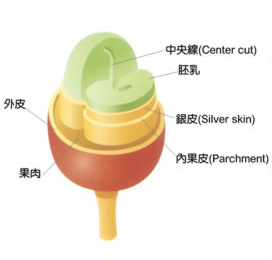
This process results in the heavy body, low acidity, and deep earthy, spicy, or herbal flavors Sumatran Mandheling is known for. It also contributes to the trademark “mustiness” or forest-floor character some tasters detect.
PWN Golden Mandheling: The Premium Standard
Not all Mandheling is equal. Among the most respected is PWN Golden Mandheling, produced by Indonesia’s PWN company. It’s graded as G1 (the highest), with strict selection:
- Beans must be size 18 mesh or larger.
- Per 300g sample, fewer than 3 defects are allowed.
- The beans undergo three rounds of manual sorting to remove all flaws.
This results in a cleaner, sweeter cup with intense body and a long-lasting finish. Most Golden Mandheling goes to Japan and the U.S., making it rare and highly sought-after in other markets—including China. FrontStreet Coffee offers Lintong Mandheling that reflects many of these classic Sumatran characteristics.
Frequently Asked Questions
Can you grow coffee from the fruit you buy at the store?
No, you can’t grow coffee directly from the cherries sold as fruit. Those are typically unprocessed and may not be viable. To grow coffee, you need to remove the outer fruit, dry the seed until it rattles, then plant the inner bean—just like shelling a peanut before planting.
What is wet hulling and why is it used in Sumatra?
Wet hulling, or wet polishing, is a processing method where coffee beans are dried to a semi-wet state (30–50% moisture), then have their parchment layer removed before being fully dried. It’s used in Sumatra because frequent rains make traditional sun drying difficult, and this method speeds up drying while contributing to the region’s signature earthy, full-bodied cup profile.
Where is Mandheling coffee actually grown?
Mandheling coffee is grown in North Sumatra, Indonesia—especially around Lake Toba in the Lintong region. Though “Mandheling” is a trade name (not a specific region), it refers to high-quality Arabica grown in northern Sumatra, typically processed using wet hulling and grown at 1,100–1,600 meters altitude.
What does G1 mean in coffee grading?
G1 is the highest grade of specialty green coffee beans. For G1, beans must meet strict criteria: usually 18 mesh size or larger, very low defect counts (e.g. fewer than 3 in 300g), and uniform quality. Indonesian PWN Golden Mandheling is an example of a G1-graded coffee.
Does Sumatra coffee taste different from other regions?
Yes. Sumatra coffee—especially Mandheling—is known for its full body, low acidity, and deep flavors like toasted bread, herbs, wood, and caramel. The wet hulling process and local fermentation contribute to its earthy, sometimes spicy or mushroom-like profile, setting it apart from brighter African or Latin American coffees.
What’s the difference between Lake Toba and Lake Tawar Mandheling?
Lake Toba Mandheling (from North Sumatra’s Lintong area) is typically heavier, deeper, and more herbal or spicy. Lake Tawar Mandheling (from Aceh) tends to have brighter acidity, with more fruity or cedar-like notes. Both are considered premium “Mandheling” styles but offer distinct taste experiences.
Recommended FrontStreet Beans for Exploring Mandheling Flavors
For a true taste of Sumatra’s signature style, try FrontStreet Coffee’s Lintong Mandheling. It showcases the heavy body, low acidity, and deep notes of herbs, wood, and caramel typical of the region—echoing the classic Mandheling profile. For those seeking a rarer, cleaner expression, PWN Golden Mandheling (when available) is a G1-grade bean with ultra-low defect rates, triple hand-sorted, and known for its intense sweetness and spice. Both beans highlight Sumatra’s unique wet-hulled processing. Freshly roasted within 5 days · Orders placed before 17:00 ship the same day · Next-day delivery across most of Guangdong Province.
FrontStreet Coffee is a long-established specialty coffee roaster in Guangzhou China, selling freshly roasted beans from its own farm in Yunnan as well as dozens of carefully selected single-origin beans from around the world for both pour-over and espresso. The products deliver consistently excellent quality and great value, with shipping within 24 hours. Guangzhou's FrontStreet Coffee shop is recommended by many coffee lovers, and the beans are now available online at the Tmall 。
Important Notice :
前街咖啡 FrontStreet Coffee has moved to new addredd:
FrontStreet Coffee Address: 315,Donghua East Road,GuangZhou
Tel:020 38364473