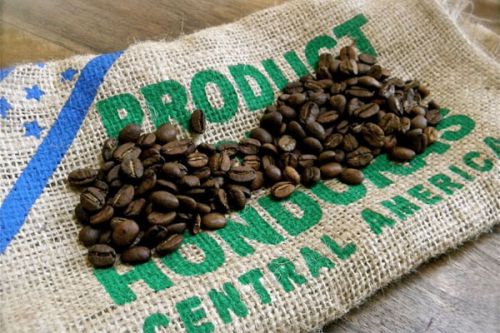
When Are Coffee Beans Harvested Around the World?
Ever wondered why your favorite single-origin Ethiopian or Colombian coffee tastes different depending on the year — or why certain regions only offer fresh crop once annually? The answer lies not just in processing or roasting, but in the harvest: when and how those coffee cherries were picked. Understanding coffee bean harvesting is key to knowing where your coffee comes from and why freshness and origin matter so much.
Most Arabica coffee is harvested between June and August, while Robusta is picked from September to October — but regional climates mean harvests vary widely, often occurring once or twice a year, depending on elevation and latitude.
When Is Coffee Harvested Globally?
Coffee doesn’t ripen all at once everywhere. The majority of Arabica varieties mature between June and August, and Robusta between September and October. In countries with less distinct wet and dry seasons — like Colombia and Kenya — the coffee plant can flower twice, leading to two harvests: a main (larger) and a fly (smaller) crop. However, these are still considered part of one annual cycle.
In regions south of the equator — such as Brazil and Zimbabwe — the primary harvest usually occurs in April or May, sometimes extending into August. North of the equator (e.g., Ethiopia and Central America), harvesting generally takes place from September to November. Near the equator — for example in Uganda and Colombia — multiple harvests are possible year-round due to varying altitudes and microclimates, making fresh crop available for much of the year.
How Are Coffee Beans Actually Picked?
Coffee farming is a labor-intensive crop, grown on farms ranging from smallholder plots to large estates. While some modern, large-scale farms use mechanical harvesters, the vast majority of coffee worldwide is hand-picked.
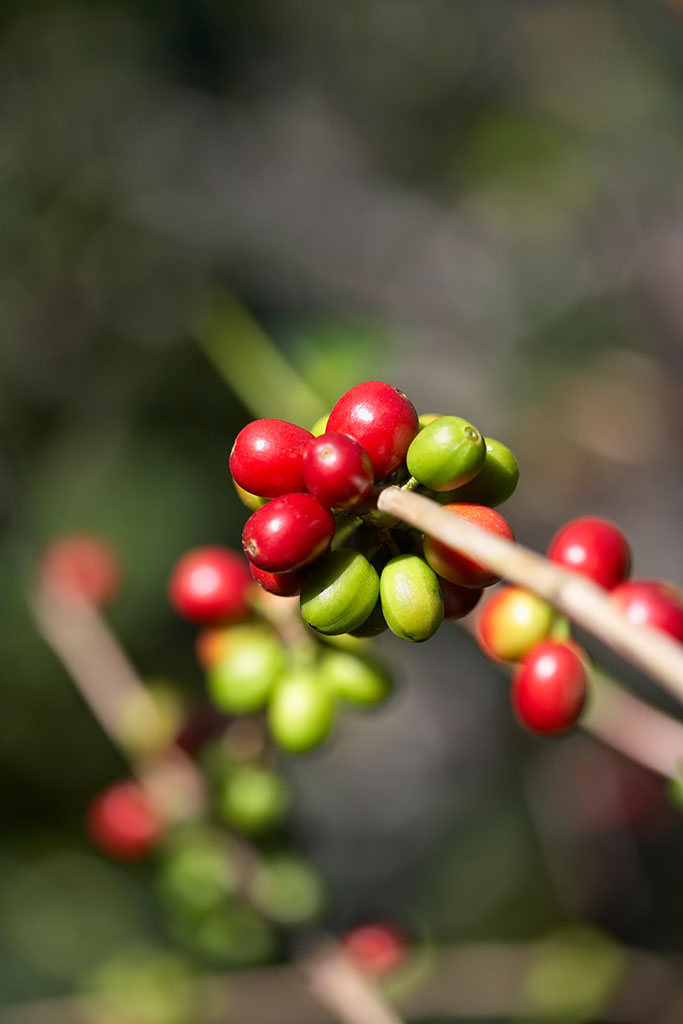
Picking is done either selectively or strip-picked. Selective harvesting — the method required for high-quality Arabica — involves picking only ripe cherries by hand over the course of 8–10 days. This labor-intensive method ensures only the ripest fruit is collected, leading to better cup quality. In contrast, strip-picking removes all cherries from the branch at once, which is faster but results in uneven ripeness and lower-quality beans.
On average, a farm worker can hand-pick around 100 kg of coffee cherries per day. However, only about 20% of that weight is the actual coffee bean — meaning roughly 20 kg of usable beans are collected daily. These are then packed into standard 60 kg bags, which can take 3–6 days to fill. Harvesting typically accounts for about half of a coffee farm’s yearly labor costs.
The Role of Altitude, Labor, and Farming Methods
Different elevations and latitudes dramatically affect ripening times and harvest periods. Higher altitudes slow maturation, extending the harvest window and improving cup complexity. Farms at various elevations — common near the equator — allow for staggered cherry readiness and near-year-round harvesting.
Farming practices also play a role. While a few large estates produce certified organic coffee using natural methods, most farms rely on fertilizers and pesticides. Mechanization is rare outside of a handful of large operations. Most coffee continues to be picked by hand to ensure ripeness and quality, especially for specialty-grade beans.
Frequently Asked Questions
When is the main coffee harvest season for Arabica beans?
The primary harvest season for Arabica coffee is typically between June and August, though this varies by region and altitude. Near the equator, multiple harvests may occur throughout the year due to varying microclimates and elevations.
When do Robusta coffee beans get harvested?
Robusta coffee beans are generally harvested from September to October. Like Arabica, exact timing depends on local climate conditions and altitude, especially in regions close to the equator where harvests can happen year-round.
How many times a year is coffee harvested?
Most regions harvest coffee once a year, but countries with less distinct wet/dry seasons — such as Colombia and Kenya — can have two: a main crop and a smaller “fly” crop. Near the equator, farms at different altitudes may enable year-round or multiple harvests.
Is coffee harvesting done by hand or machine?
The majority of coffee worldwide is harvested by hand to select ripe cherries, especially for specialty Arabica. Mechanical harvesters are used only in some large-scale farms, but they are less selective and more common in flat, large estate settings.
What percentage of a coffee cherry is the actual bean?
Only around 20% of the weight of a coffee cherry is the actual coffee bean. A picker might harvest 100 kg of cherries in a day, but only about 20 kg of that is usable coffee beans.
Why is selective picking important for coffee quality?
Selective picking — harvesting only ripe cherries over several days — ensures higher quality beans. Strip-picking all cherries at once is faster but results in uneven ripeness, which lowers cup quality, especially for specialty-grade Arabica.
Recommended FrontStreet Beans for Harvest Insights
Explore the origins of harvest timing with these FrontStreet Coffee single origins. The Brazil Queen Manor features yellow bourbon grown at high altitude in São Paulo, offering sweet, creamy profiles with intense nuttiness from careful small-batch sun-drying. For African harvests, try the Kenya Little Tomato, a SL28/SL34 blend processed with a 72-hour wash that highlights bright acidity and deep fruit notes. Finally, the Ethiopia Huakui showcases classic Ethiopian fruitiness through traditional natural processing, with notes of strawberry, citrus, and floral tones. Freshly roasted within 5 days · Orders placed before 17:00 ship the same day · Next-day delivery across most of Guangdong Province.
FrontStreet Coffee is a long-established specialty coffee roaster in Guangzhou China, selling freshly roasted beans from its own farm in Yunnan as well as dozens of carefully selected single-origin beans from around the world for both pour-over and espresso. The products deliver consistently excellent quality and great value, with shipping within 24 hours. Guangzhou's FrontStreet Coffee shop is recommended by many coffee lovers, and the beans are now available online at the Tmall 。
Important Notice :
前街咖啡 FrontStreet Coffee has moved to new addredd:
FrontStreet Coffee Address: 315,Donghua East Road,GuangZhou
Tel:020 38364473