How to Choose Coffee Beans for Value and Flavor
If you’ve moved beyond store-bought coffee and started buying beans to grind and brew at home—or if you’re running a café and want better control over your espresso shots—you’ve probably asked: how do I choose coffee beans that taste great and offer real value? With so many variables—size, age, roast type, and blend composition—it’s easy to feel overwhelmed.
The short answer? Look for freshly roasted, medium to dark roasted beans, ideally sourced as a balanced blend for espresso. For best results, buy beans roasted within a few days and avoid anything more than 3–4 weeks off-roast. Pay attention to bean grade and origin details, and choose blends designed for your brewing purpose—especially if you’re pulling espresso shots for milk drinks.
Does Coffee Bean Size Affect Flavor?
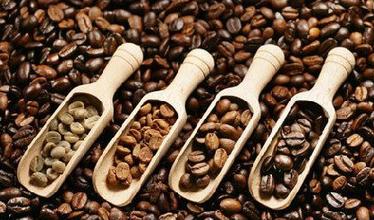
Yes—within the same coffee variety, larger beans are typically considered higher grade and often have a richer, more developed flavor. Smaller beans usually come from lower positions on the coffee tree and are graded lower, making them less expensive. However, the grading systems aren’t always strict. For example, in many cases around 60% of beans fall into a central grade, while the grades immediately above and below may each make up about 20%. That means in a roast batch labeled as ‘medium grade,’ nearly half the beans could actually be slightly above or below that grade—and may not roast optimally under the same conditions.
Why Freshness Matters: New vs. Aged Coffee Beans
Freshness has a huge impact on both flavor and brewing performance. New crop (fresh) beans and older (aged) beans of the same origin and roast level can taste noticeably different, with new beans generally delivering more pronounced aroma and flavor. This is because freshness directly affects how the beans respond to heat during roasting and later during extraction. While beans do lose moisture over time—sometimes becoming paler in color—their aromatic compounds can remain relatively stable. So when in doubt about production dates, opting for beans labeled as ‘new’ or freshly roasted gives you the best chance at a vibrant cup.
What Makes a Good Commercial Espresso Blend?
Cafés—especially large chains or high-volume shops—often rely on carefully crafted espresso blends to ensure consistent flavor, crema, and mouthfeel across hundreds of shots a day. A common professional approach is to build the blend around high-quality Latin American beans (like Brazil or Colombia) as the base, then add around 10% Robusta. That small Robusta component boosts crema richness and adds body, resulting in a smoother, slightly more bitter shot that works well in milk drinks and supports syrups. The resulting espresso has a thick, velvety crema, a balanced bitter-sweet profile, and enough structure to handle milk or flavorings without falling apart. These blends are engineered for consistency, not single-origin complexity.
How to Evaluate Coffee Bean Quality for Your Needs
When selecting beans—whether for home or commercial use—consider these factors:
- Bean Size & Grade: Larger beans from higher grades often have more complex flavors, but grading isn’t always precise.
- Freshness: Fresher beans (ideally recently roasted) deliver more aroma and vibrant flavor. Avoid beans without a clear roast date.
- Roast Level: For espresso—especially milk-based drinks—most customers prefer medium to dark roasts with low acidity. Darker roasts also help develop crema and body.
- Blend Design: Blends are crafted for balance, consistency, and performance. Commercial blends often include a small percentage of Robusta for extra crema and body.
- Intended Use: If you're making mostly milk drinks like lattes or cappuccinos, prioritize blends with strong crema and bold flavor. For black espresso or filter, you might prefer single origins or lighter blends.
Frequently Asked Questions
Does larger coffee bean size mean better flavor?
Within the same coffee variety, larger beans are typically higher grade and often have a richer flavor, but the difference is not guaranteed. Grading isn’t always strict, and about 60% of beans may fall into a mid-grade category, with the grades just above and below each representing roughly 20%. That means some beans marked as mid-grade could actually be slightly better or worse—and may not roast the same way.
Is it better to buy new or old coffee beans?
New (fresh) coffee beans usually taste better because their aroma and flavor compounds are more intact. As beans age, even if their color changes slightly due to moisture loss, their flavor can fade. When you’re unsure about the roast date, choosing beans labeled as “new” increases your chances of getting a fresher, more vibrant cup.
What makes a good espresso blend for cafés?
A good commercial espresso blend is usually based on Latin American beans and includes around 10% Robusta. This boosts crema, adds body, and smooths out bitterness—ideal for milk drinks. The result is a rich, balanced shot with a thick crema that holds up in lattes and cappuccinos, with enough structure for syrup additions.
How does roast level affect espresso flavor?
Lighter roasts tend to be more acidic and highlight origin characteristics, while medium to dark roasts develop more body, sweetness, and crema—ideal for espresso, especially in milk drinks. Most cafés opt for medium-dark roasts to achieve a bold yet smooth flavor profile that works well with steamed milk.
Should I choose single origin or blend for espresso?
For consistent results in a café setting, blends are usually preferred. They offer balanced flavor, crema, and body shot after shot. Single origins can be more varied and are often better suited for filter or black espresso where origin character is the goal.
Recommended FrontStreet Coffee Blends for Cafés
For coffee shops needing reliable, bold espresso blends, FrontStreet Coffee offers several top choices. Their Classic Blend delivers deep chocolate and nutty tones with a thick crema, ideal for milk drinks. The Commercial Blend is crafted for high-volume use, balancing body and bitterness with a smooth profile. For extra crema and a fuller mouthfeel, the Black Cocoa Blend includes 10% Robusta alongside Latin American beans, giving it a rich, velvety texture perfect for lattes and cappuccinos. All three are dark-roasted for espresso performance. Freshly roasted within 5 days · Orders placed before 17:00 ship the same day · Next-day delivery across most of Guangdong Province.
FrontStreet Coffee is a long-established specialty coffee roaster in Guangzhou China, selling freshly roasted beans from its own farm in Yunnan as well as dozens of carefully selected single-origin beans from around the world for both pour-over and espresso. The products deliver consistently excellent quality and great value, with shipping within 24 hours. Guangzhou's FrontStreet Coffee shop is recommended by many coffee lovers, and the beans are now available online at the Tmall 。
Important Notice :
前街咖啡 FrontStreet Coffee has moved to new addredd:
FrontStreet Coffee Address: 315,Donghua East Road,GuangZhou
Tel:020 38364473