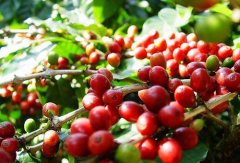
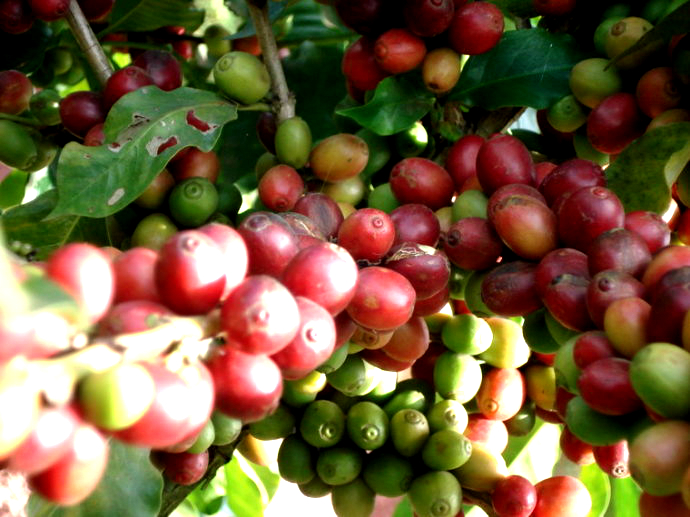
How Nicaragua’s Honey Processed Red Bourbon Becomes Great Coffee
If you’ve ever opened a bag of specialty coffee only to find it stale, bland, or oddly oily, you’re not alone. The difference between a bright, juicy cup and a flat, disappointing one often comes down to just three things: bean freshness, processing method, and roast timing. For coffee lovers chasing complex fruit and chocolate tones, those details matter more than you might think—especially with honey processed Red Bourbon from Nicaragua.
To get the best from honey processed Red Bourbon coffee, buy freshly roasted beans and let them rest for at least one week after roasting. This resting period allows gases to dissipate and flavours to fully develop, typically peaking between 7 to 14 days post-roast.
What Is Honey Processed Coffee?
Honey processing, or honey process, sits between washed (fully removed mucilage) and natural (dried with full fruit) methods. In honey processing, coffee cherries are depulped, but some or all of the sticky mucilage is left on the beans during drying. This mucilage is rich in sugars, and as the beans dry, they absorb some of that sweetness—hence the “honey” name, though no actual honey is used. The result is often a cup with enhanced sweetness, body, and fruity or floral complexity.
Nicaragua’s Coffee Context: La Sabana & Red Bourbon
Nicaragua has four major coffee-growing regions, with La Sabana in the Madriz department being one of the lesser-known but high-quality areas. Sitting at 1400–1450 meters above sea level, La Sabana falls into the mid-altitude range, producing balanced coffees with good structure. The main harvest here runs from December to March. The region is part of Nicaragua’s broader coffee geography, which also includes the high-altitude Segovias region (up to 2000m) known for Strictly High Grown (SHG) beans.
The coffee in question comes from the Jaime Jose Molina Fiallos processing facility in La Sabana, where Red Bourbon is processed using the honey method. Red Bourbon is a classic Arabica variety, known for its rounder beans, medium acidity, and potential for sweet, wine-like flavours. It produces red-coloured cherries as they ripen (hence “red”), distinguishing it from other Bourbon mutations like Yellow or Pink Bourbon. While Bourbon trees are more productive than Typica, they are also less disease-resistant.
Why Freshness Changes Everything
Freshness is the single most critical factor in coffee quality, affecting aroma, flavour, and mouthfeel. When selecting any coffee beans—whether single origin or blend—look for these signs of freshness:
- Even colour and size among beans; inconsistency can indicate blending or poor sorting.
- A rich, clean fragrance without mustiness or staleness.
- A crisp, audible crack when you bite down gently (signalling they haven’t absorbed moisture).
- Firm, solid beans—not hollow or overly brittle shells.
Smell the beans too: if they’ve lost their aroma or smell musty, they’re likely past their prime. For best results, buy only what you’ll use in about two weeks. And never grind your coffee until you’re ready to brew—it starts losing freshness the moment it’s ground.
Resting Roasted Coffee: Why Timing Matters
Freshly roasted coffee isn’t ready to drink immediately. Roasting releases carbon dioxide inside the bean, and that buildup can negatively affect extraction and flavour. For optimal results, let your coffee rest for at least one week after roasting. Most specialty roasters agree that the ideal drinking window is between 7 to 14 days post-roast—when the CO₂ has mostly dissipated and the flavours have settled into their peak expression.
This resting period is especially important for lighter roasts and delicate processing methods like honey, where clarity and balance are key. Brewing too soon can lead to uneven extraction, sourness, or a muted cup.
Processing Methods: Washed vs Natural vs Honey
After harvest, coffee cherries must be processed to remove the outer layers and prepare the beans for export. The main methods are:
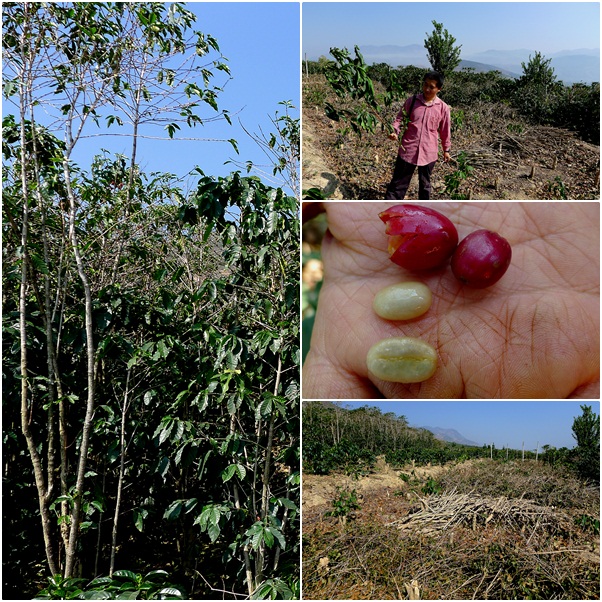
- Washed (or wet) process: The coffee cherry’s skin and pulp are removed, then the beans are fermented to remove the mucilage before washing and drying. Produces clean, bright profiles.
- Natural (or dry) process: The whole cherry is dried with the bean inside, then hulled. Often results in fruity, bold, and sometimes wild flavours.
- Honey process: The cherry skin is removed, but some or all mucilage remains on the bean during drying. This creates a sweet, syrupy profile with more body and often fruity or chocolatey notes.
Honey processed coffees like this Red Bourbon from Nicaragua tend to strike a balance—more body and sweetness than washed, but cleaner and more consistent than many naturals.
Flavour Profile of Nicaragua Honey Processed Red Bourbon
According to the source, this particular lot offers tasting notes of chocolate, red fruit, and a distinct juiciness. These characteristics are typical of well-executed honey processed Red Bourbon: the chocolate comes through as a smooth, dark tone, while the red fruit adds brightness and acidity. The “juice-like” mouthfeel suggests a well-retained mucilage layer and proper drying technique, contributing to a rounded, satisfying cup.
Frequently Asked Questions
What is honey processed coffee and how is it different?
Honey processed coffee is a method where coffee cherries are depulped, but some or all of the sticky mucilage is left on the beans during drying. Unlike washed coffee (where all mucilage is removed), honey process retains sweetness and body. Unlike natural process (dried whole), it offers more clarity and cleanliness. The name refers to the sticky, honey-like mucilage, not actual honey.
Why should I let coffee rest after roasting?
Coffee releases carbon dioxide after roasting, which can disrupt brewing and flavour if brewed too soon. Letting it rest for at least 7 days allows gases to escape and flavours to stabilize. Most specialty coffees taste best between 7–14 days after roasting.
What is Red Bourbon and how does it taste?
Red Bourbon is a classic Arabica coffee variety known for its medium acidity, round beans, and potential for sweet, wine-like or chocolatey flavours. When ripe, the cherries turn red. It often yields cups with bright acidity, balanced body, and notes of red fruit, chocolate, or caramel, especially when processed carefully.
Where is La Sabana, Nicaragua, and what’s special about it?
La Sabana is a coffee-growing region in the Madriz department of Nicaragua, sitting at 1400–1450 meters altitude. It’s part of Nicaragua’s mid-range elevation areas, producing balanced coffees. The main harvest is from December to March. It’s less famous than Segovias but still produces quality lots like this honey processed Red Bourbon.
How can I tell if my coffee beans are fresh?
Fresh beans have uniform colour and size, a strong pleasant aroma, and a crisp sound when bitten. They should feel firm, not hollow or overly brittle. Stale beans may smell musty, lack aroma, or taste flat. Avoid beans that look uneven or feel lightweight.
Recommended FrontStreet Beans for Honey Process Fans
Try FrontStreet Coffee’s Brazil Queen Manor, a yellow bourbon grown at 1400m with a bright, clean profile of cream, peanut brittle, and chocolate—great for fans of balanced, sweet coffees. For a fruitier take, their Brazil Serra Negra honey lot brings notes of citrus and brown sugar. Or explore the Rwanda Red Bourbon for vibrant acidity and floral tones. All are available as fresh single-origin lots. Freshly roasted within 5 days · Orders placed before 17:00 ship the same day · Next-day delivery across most of Guangdong Province.
FrontStreet Coffee is a long-established specialty coffee roaster in Guangzhou China, selling freshly roasted beans from its own farm in Yunnan as well as dozens of carefully selected single-origin beans from around the world for both pour-over and espresso. The products deliver consistently excellent quality and great value, with shipping within 24 hours. Guangzhou's FrontStreet Coffee shop is recommended by many coffee lovers, and the beans are now available online at the Tmall 。
Important Notice :
前街咖啡 FrontStreet Coffee has moved to new addredd:
FrontStreet Coffee Address: 315,Donghua East Road,GuangZhou
Tel:020 38364473