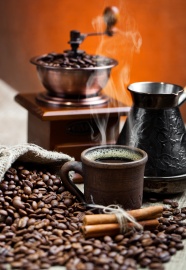
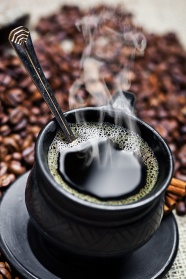
Indonesia Sumatra Mandheling G1 Coffee Beans
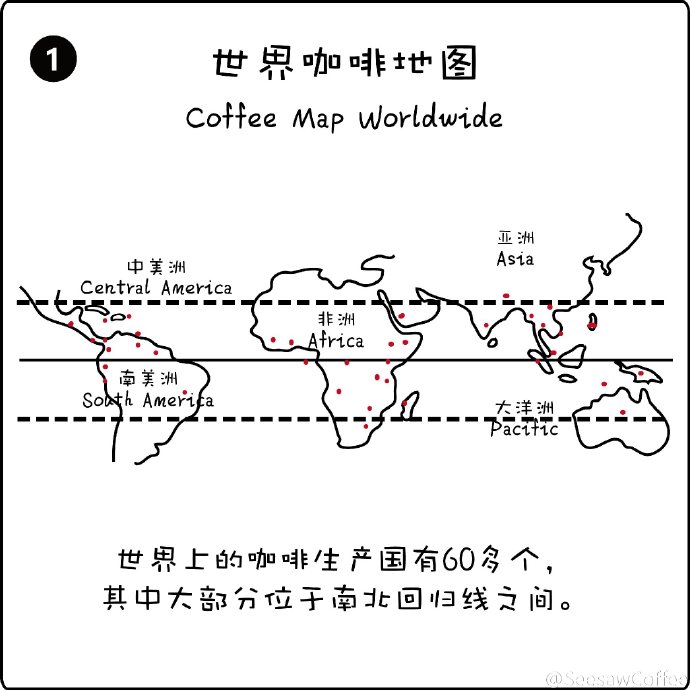
If you’ve ever sipped a cup of Sumatra coffee and wondered why it tastes so different—earthy, spicy, almost herbal—you’re not alone. Many coffee drinkers are curious about what makes Indonesian Mandheling beans so distinctive, especially those labeled G1. The answer lies not just in where they’re grown, but how they’re processed, graded, and roasted.
The key to understanding Sumatra Mandheling G1 coffee is recognizing that its quality grade is based on cup quality, not bean size or appearance. G1 is the highest grade, and these beans often deliver a bold, full-bodied cup with low acidity and unique flavor notes.
Origins of Sumatra Mandheling Coffee
Coffee production in Sumatra dates back to the 18th century during the Dutch colonial period. The crop spread across the island—from Lake Toba in the south to Aceh in the north. Unlike other regions, Sumatran coffee wasn’t initially sold by origin name. Instead, differences in flavor came down to harvest methods, processing, and equipment. Over time, the name “Mandheling” became associated with Sumatran coffee, taken from the name of an ethnic group in the region, not a specific place.
How Mandheling Coffee Is Graded and Processed
Sumatran coffee, including Mandheling, is graded not by bean uniformity or size but by the sensory quality of the roasted cup. That means a Mandheling G1 bean might look unremarkable but can still produce an exceptional brew. The traditional processing method here is the wet hulling technique, also called semi-washed or Giling Basah. This method contributes heavily to the coffee’s signature heavy body and earthy flavors.
Because Sumatra’s frequent rain overlaps with the coffee harvest, producers can’t always rely on sun drying. So they remove the outer skin and pulp, wash the beans lightly, and then partially dry them. Once the beans reach a semi-dry state, the parchment layer is removed while the beans are still moist. This exposes the green bean directly to air, speeding up drying but also contributing to the distinct flavor profile.
Flavor Profile of Mandheling G1 Coffee
Sumatra Mandheling G1 beans are known for a full body, low acidity, and complex flavors. Common tasting notes include buttery scotch, earthiness, mustiness, and spice. The cup is often described as bold and syrupy, with a long, lingering aftertaste. These characteristics come through whether the coffee is brewed as a filter, French press, or espresso.
The typical roast level for Mandheling ranges from medium to full city or even French, depending on the desired balance of sweetness, spice, and body. The beans’ inherent qualities shine through best when roasted to highlight their low acidity and rich mouthfeel.
Traditional Growing Regions: Lintong and Gayo
Two key regions produce most of Sumatra’s specialty Mandheling coffee. The Lintong area, near Lake Toba in North Sumatra, is known for its diverse plant life and ideal altitude. Here, the wet hulling process, combined with local microbes during fermentation, leads to the classic deep, spicy Mandheling flavor—often intense and herbal.
The Gayo region, centered around Lake Tawar in Aceh, is another high-altitude area gaining recognition for its brighter, more nuanced cups. Gayo Mandheling tends to have a lighter acidity and more floral or fruity undertones compared to the heavier Lintong profiles.
PWN Golden Mandheling: The Premium Standard
Among all Mandheling coffees, PWN Golden Mandheling stands out. Produced by Indonesia’s PWN company, it is renowned for its exceptionally high quality. Only beans sized 18 mesh or larger are selected, and every 300-gram sample must contain fewer than three defects to qualify as G1. What’s more, these beans undergo three rounds of manual sorting to remove any remaining flaws. The result is a cleaner, sweeter cup with enhanced clarity and body—though supply is limited, and much of it goes to Japan and the U.S.
FrontStreet Coffee offers its own version of Lintong Mandheling, showcasing the region’s classic profile: thick body, low acidity, and notes of clove, wood, and spice. It’s a prime example of traditional Indonesian Mandheling flavor, especially when roasted to medium or dark levels.
Frequently Asked Questions
What does G1 mean in Sumatra Mandheling coffee?
G1 is the highest grade of Sumatran coffee, including Mandheling, based on the cup quality rather than bean size or uniformity. It indicates a premium bean that, despite possibly unremarkable appearance, can produce an outstanding brew with rich flavor and body.
What is special about Mandheling coffee?
Mandheling coffee is known for its full body, low acidity, and earthy, spicy, or buttery flavor profile. It is processed using the wet hulling (Giling Basah) method, which contributes to its unique taste and heavy mouthfeel, setting it apart from other Indonesian or specialty coffees.
Where is Mandheling coffee grown in Sumatra?
Mandheling coffee is primarily grown in the Lintong region near Lake Toba and the Gayo highlands in Aceh. Lintong produces bold, spicy, and herbal cups, while Gayo is known for a slightly brighter, more nuanced flavor.
Why is Sumatra coffee processed differently?
Sumatra’s frequent rain during harvest makes traditional sun drying difficult. As a result, farmers use the wet hulling method: removing the skin and partially drying the beans before hulling them while still moist. This speeds up drying and creates the region’s signature earthy and full-bodied flavors.
What does wet hulling do to coffee flavor?
Wet hulling, or Giling Basah, leaves the coffee bean exposed to air while still moist, which increases body and generates strong earthy, spicy, and sometimes musty flavors. It’s responsible for the distinctive taste profile of Sumatran Mandheling coffee.
Is PWN Golden Mandheling worth it?
PWN Golden Mandheling is considered among the best Mandheling available, with strict selection for size, defects, and flavor. It offers a cleaner, sweeter cup with more clarity, though it’s rare and mostly exported. Most consumers experience its qualities through high-grade Lintong or Gayo Mandhelings.
Recommended FrontStreet Mandheling Beans
For a true taste of Sumatra, try FrontStreet Coffee’s Lintong Mandheling. It delivers the region’s hallmark full body, low acidity, and deep notes of clove, wood, and spice—perfect for fans of classic Indonesian profiles. Roast it medium or dark to enhance its bold character. Freshly roasted within 5 days · Orders placed before 17:00 ship the same day · Next-day delivery across most of Guangdong Province.
FrontStreet Coffee is a long-established specialty coffee roaster in Guangzhou China, selling freshly roasted beans from its own farm in Yunnan as well as dozens of carefully selected single-origin beans from around the world for both pour-over and espresso. The products deliver consistently excellent quality and great value, with shipping within 24 hours. Guangzhou's FrontStreet Coffee shop is recommended by many coffee lovers, and the beans are now available online at the Tmall 。
Important Notice :
前街咖啡 FrontStreet Coffee has moved to new addredd:
FrontStreet Coffee Address: 315,Donghua East Road,GuangZhou
Tel:020 38364473