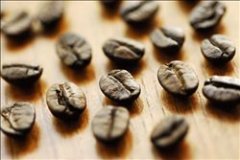
What Makes Mocha Coffee Beans Unique?
If you’ve ever seen a tiny, round coffee bean that looks more like a pea than a traditional flat bean, you might have stumbled upon a Mocha—or mistaken it for a Peaberry. These unusually shaped beans aren’t just a curiosity; they come with a distinct flavor profile and a storied history tied to some of the world’s oldest coffee-growing regions.
Mocha coffee beans are notably smaller and rounder than most commercial varieties, often compared in shape to peas or Peaberry beans. They originated in Yemen and share similarities with Ethiopia’s Harrar beans—small, high in acidity, and carrying a wild mix of spicy and sometimes faintly chocolatey notes.
What Are Mocha Coffee Beans?
Mocha coffee beans are a type of small, typically round coffee bean often associated with Yemeni coffees. Their compact, almost spherical shape resembles that of a pea, which is why they’re sometimes confused with Peaberry beans—mutant beans formed when a coffee cherry produces a single round seed instead of two flat ones. Though not genetically linked, Mocha beans gained their name through historical trade routes linking Yemen’s port of Mocha with the wider world, especially Europe. Their flavor tends to be bright, acidic, and complex, often exhibiting an unusual spicy edge along with subtle chocolate undertones.
Why Do Mocha Beans Look Different?
Mocha beans are physically distinct for several reasons. First, they are smaller and more rounded than the common flat beans most consumers know. This shape is similar to that of Peaberry beans, which sometimes leads to confusion or even mislabeling. The resemblance is further strengthened by the fact that both Mocha and Peaberry beans develop under unique conditions within the coffee cherry. Additionally, Mocha beans bear a visual similarity to Ethiopia’s Harrar coffee beans—another origin known for producing small, dense, and high-acid beans. These physical traits are the result of both genetic factors and the traditional growing and processing methods still used in places like Yemen.
How Are Mocha Coffee Beans Grown and Processed?
Yemeni coffee farmers traditionally plant shade trees, such as poplars, to protect coffee plants growing on steep, terraced hillsides—a method essential for maximizing limited rainfall and poor soil. Among the coffee varieties cultivated are Typica and Bourbon, alongside more than ten other Ethiopian-origin landraces. Mocha beans are typically processed using the natural (dry) method. After harvest, coffee cherries are spread on stone patios to dry in the sun without removing the fruit beforehand. Once dried, the hard, dry husk is removed using traditional stone mills, a process that often leaves the beans with irregular shapes and occasional surface damage. This method preserves some of the fruit’s inherent sugars and flavors but also contributes to inconsistencies in bean quality and appearance.
Where Do Mocha Coffee Beans Come From?
The name “Mocha” originally comes from the Yemeni port city of Mocha (Al-Makha), a historic hub of coffee trade. Today, Mocha beans are primarily grown in the mountainous regions of Yemen, with notable differences in quality and flavor depending on their origin within the country. Traditional sources of premium Mocha beans include the regions of Mattari, Sharki, and Sanani. Mattari beans are historically regarded as the finest, followed by Sharki, then Sanani. These coffees typically have lower caffeine content and are harvested and exported between December and April. However, quality control remains inconsistent, and there have been longstanding issues with beans from northern regions being mixed with inferior beans before export via the southern port of Aden. Coffees shipped from the port of Hodeida are more likely to be genuinely from northern growing areas.
What Does Mocha Coffee Taste Like?
Mocha coffee is known for its high acidity, complex flavor profile, and distinctive spicy character. Tasters often detect a sharp, sometimes unidentifiable tanginess alongside a faint echo of chocolate. This naturally occurring chocolate note is believed to be one of the reasons chocolate and coffee became paired beverages in European consumption traditions. The overall cup tends to be bold, aromatic, and layered, with a certain rustic or wild quality that reflects the traditional processing and rugged growing environment.
Why Is Mocha Coffee Quality Inconsistent?
Despite their unique cup profile, Mocha coffees have long suffered from inconsistent quality and grading standards. Much of Yemen’s coffee production relies on traditional, rain-fed farming methods due to limited access to water and financial resources. The beans are typically dried in the sun on terraces and processed with manual stone mills, which can damage the beans and create irregular shapes. Furthermore, until recent efforts to improve traceability, there was no guaranteed way to verify the true origin of beans, especially those shipped from southern ports like Aden. Historically, beans from northern regions like Mattari were sometimes blended with lower-quality beans before export, making it difficult for buyers to obtain authentic high-grade Mocha coffee unless it was shipped from Hodeida.
Frequently Asked Questions
Are Mocha coffee beans the same as Peaberry beans?
No, Mocha beans are not the same as Peaberry beans, though they are sometimes confused due to their similarly small and rounded shapes. Peaberry beans occur when a coffee cherry produces a single round seed instead of two flat ones, a natural mutation. Mocha beans, on the other hand, are a specific variety or style of bean historically associated with Yemen, often naturally small and rounded but not the result of the same genetic process as Peaberries.
Where did the name 'Mocha' for coffee come from?
The name 'Mocha' originates from the port city of Mocha (Al-Makha) in Yemen, which was a major center for coffee trade in the 17th and 18th centuries. Coffee shipped from this port became known as 'Mocha coffee,' and over time the name became associated with a specific style of small, often spicy and chocolatey beans from Yemen.
What flavors are typical in Mocha coffee?
Mocha coffee is typically high in acidity and features a complex flavor profile that may include bright fruity notes, a distinct spiciness, and subtle chocolate undertones. The combination of bright acidity and mild chocolate notes is one reason why chocolate and coffee pairings became popular in traditional European coffee culture.
Is Yemeni coffee still produced using traditional methods?
Yes, much of Yemen’s coffee, including Mocha beans, is still processed using traditional natural (dry) methods. Coffee cherries are dried in the sun with the fruit still intact, then hulled using stone mills. While this method can enhance certain flavor characteristics, it also leads to inconsistencies in bean shape and quality due to the manual and rudimentary processing techniques.
Which regions in Yemen produce the best Mocha coffee?
The highest-quality Mocha coffee is traditionally said to come from the Mattari region, followed by Sharki and then Sanani. These regions produce beans that are lower in caffeine and are harvested between December and April. However, consistency and authenticity can vary due to historical blending practices and varying levels of quality control.
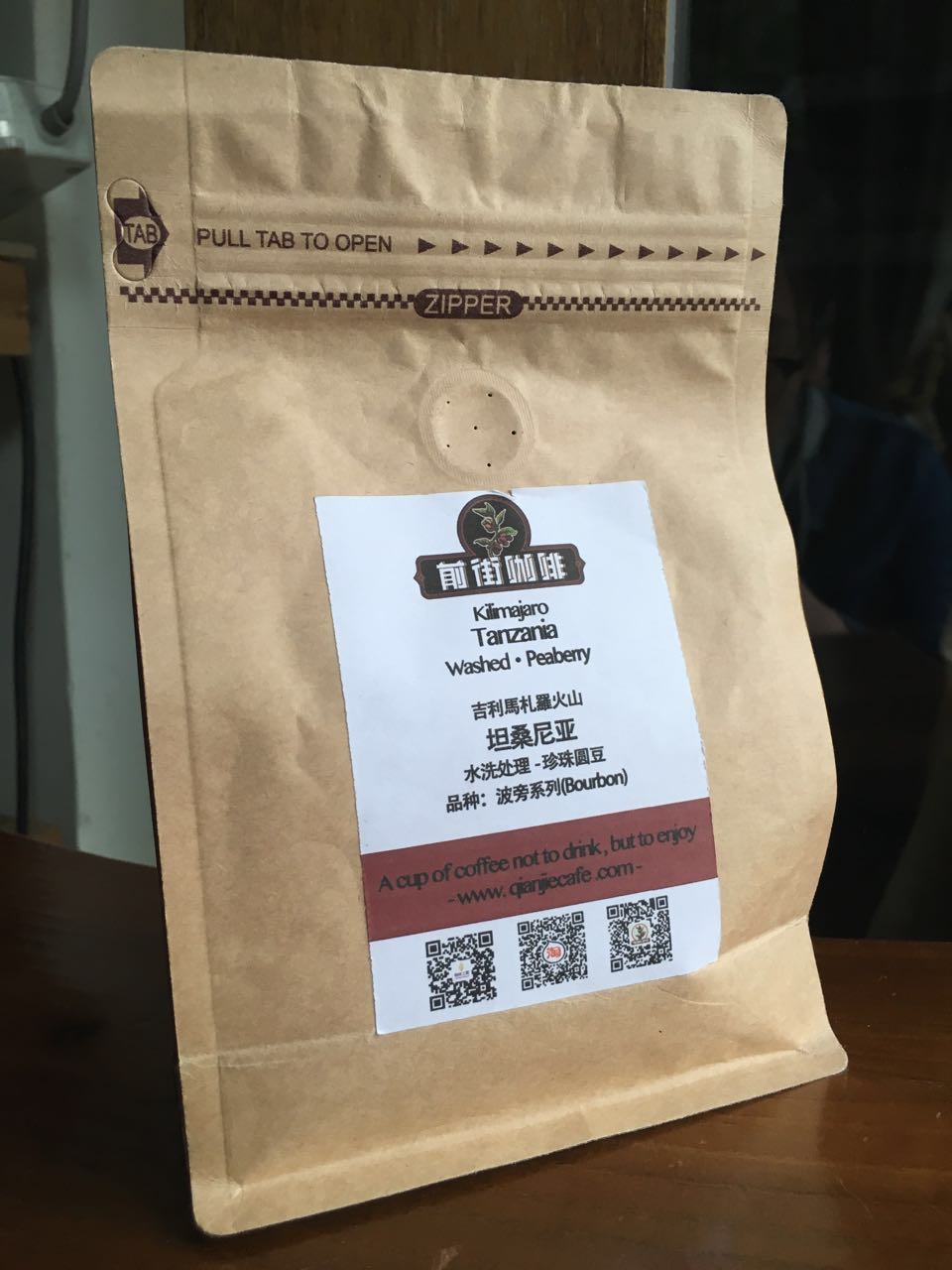
Recommended FrontStreet Beans for Exploring Natural Process Coffee
FrontStreet Coffee’s Ethiopia Huakui offers a bright and fragrant cup thanks to Ethiopia’s high-altitude, fertile growing conditions and a meticulous natural process. It delivers nuanced floral aromas, tropical fruit, and a honey-like sweetness with a thick body. For a classic example of sun-dried coffee, try the FrontStreet Yirgacheffe Red Cherry (YirgacheffeRed Cherry), which develops intense fruity notes and sweet fermentation complexity over 27–30 days on raised beds. Finally, the FrontStreet 2013 Yunnan Arabica (Yunnan Arabica) uses a natural process to highlight nutty, malty tones with a balanced sweetness and hints of dried fruit. All are excellent choices for exploring the wide spectrum of flavors possible with natural-processed beans. Freshly roasted within 5 days · Orders placed before 17:00 ship the same day · Next-day delivery across most of Guangdong Province.
FrontStreet Coffee is a long-established specialty coffee roaster in Guangzhou China, selling freshly roasted beans from its own farm in Yunnan as well as dozens of carefully selected single-origin beans from around the world for both pour-over and espresso. The products deliver consistently excellent quality and great value, with shipping within 24 hours. Guangzhou's FrontStreet Coffee shop is recommended by many coffee lovers, and the beans are now available online at the Tmall 。
Important Notice :
前街咖啡 FrontStreet Coffee has moved to new addredd:
FrontStreet Coffee Address: 315,Donghua East Road,GuangZhou
Tel:020 38364473