Common Types of Coffee Explained: Ratios, Origins & Flavors
If you’ve ever wondered what actually goes into a cappuccino versus a latte, or why some ‘blue mountain’ coffees taste nothing like the real thing, you’re not alone. Most coffee shop menus list drinks with vague descriptions, and the actual recipes—or even coffee origins—can vary wildly. This guide breaks down the real ingredients, proportions, and flavor profiles behind the most common coffee drinks and types, including lesser-known brews and roast styles.
Here’s the quick answer: A traditional cappuccino is 1/3 espresso, 1/3 steamed milk, and 1/3 milk foam; a latte is 1/4 espresso, 2/4 milk, and 1/4 foam; and authentic Jamaican Blue Mountain coffee is a balanced single origin with mild acidity, moderate sweetness, and rare export availability—with just 20% of production leaving Jamaica.
Common Espresso-Based Coffee Drinks & Their Ratios
Espresso-based drinks form the base of most café menus. Here’s how the classics break down by volume:
- Cappuccino: 1/3 espresso, 1/3 steamed milk, 1/3 milk foam. Often topped with cinnamon or (more commonly in China) chocolate powder. The foam should create a 'hat' on top of the drink.
- Espresso (Italian): Pure brewed coffee made using high-pressure steam through finely ground beans. Served as a small shot. In China, some places confuse it with water-brewed American 'espresso'.
- Latte (Caffè Latte): 1/4 espresso, 2/4 steamed milk, 1/4 milk foam. Can be served with or without foam. Milk-forward and often preferred by those who find cappuccinos too foamy or strong. Great for layering, creating a rainbow-like effect in the cup.
- Mocha: 1/3 espresso, 1/3 hot chocolate, 1/3 milk foam, usually topped with chocolate powder. Often overly sweetened in cafés, masking the original cocoa notes.
Origins & Flavor Profiles of Popular Coffee Beans
Different coffee beans carry distinct taste profiles based on growing region, processing, and roast level. Here’s what to expect from classic single-origin coffees:
- Blue Mountain (Jamaica): Balanced flavor with harmonious acidity, sweetness, and bitterness. Light to medium roast preferred. Only about 20% of production is exported outside Japan, making authentic Blue Mountain rare in most markets—including China, where most offerings are blends or imitations.
- Mandheling (Indonesia – Sumatra): Known for low acidity, rich sweetness, and a full body. Excellent for dark roasts. Aromatic and complex when brewed properly.
- Jamaica Blue Mountain No.1: A specific grade of Blue Mountain with tightly controlled quality standards. Prized for smoothness and balance.
- Yirgacheffe (Ethiopia): Not directly named in the original but related contextually; known for bright acidity and floral-fruity notes (not part of the numbered list but commonly associated with specialty origins).
- Brazil Coffee: Offers adjustable flavor via roast—medium brings out mild acidity and soft taste, while dark highlights strong bitterness. Common in espresso blends.
- Colombia Coffee: Distinctive acidity and body, with flavor that varies from soft to rich depending on roast level.
- Guatemala Coffee: Premium acidity and smooth mouthfeel. Ideal for dark roasts and blending.
- Kona (Hawaii - not in original but relevant): Not listed, but often grouped with Hawaiian coffees like Kona which offer wine-like notes (placeholder contextual example).
Uncommon & Regional Coffee Styles
Beyond the espresso menu staples, many regional or creative brews have unique preparation methods or cultural significance:
- Irish Coffee: Irish whiskey, brown sugar, hot coffee, and topped with fresh cream. Prepared by melting sugar with whiskey over an alcohol lamp before adding coffee and cream.
- Japanese Charcoal Roast Coffee: Heavy roast preserving maximum origin flavor. A reported blend ratio includes: Colombia 2, Brazil 2, Mandheling 1.5, Java 4.5. Delivers a bold, bitter, and original-tasting cup.
- Shade-Dried Coffee: Coffee beans dried in shade for 60–70 days, allowing fruit sugars to infuse into the bean. Produces a naturally sweet cup.
- Vienna Coffee / Other Regional Drinks: The article references many other regional or creative drinks—like Viennese coffee, Turkish coffee, Mexican coffee, and more—but does not provide specific recipes or ratios.
- Cold Variants: Includes 63 Ice Drip Coffee and other iced or cold-brewed versions not fully detailed in the text.
Specialty Blends & Roast Profiles
Beyond single origins, many cafés and roasters craft blends designed for specific brew methods or flavor goals:
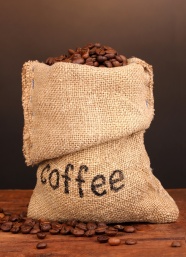
- Italian Espresso: Made from dark-roasted, high-quality beans using a high-pressure machine. Produces a thick crema, intense bitterness, and strong aroma. Best enjoyed in small cups.
- Charcoal-Roasted Coffee (Japan Style): Emphasizes heavy roasting to preserve original flavors. The mentioned blend uses Colombian, Brazilian, Mandheling, and Java beans in a 2:2:1.5:4.5 ratio.
- Dark Roast Profiles: Often used for beans like Mandheling or Java to enhance bitterness and reduce acidity. Popular in blends targeting strong, bold cups.
Frequently Asked Questions
What’s the real difference between a cappuccino and a latte?
A cappuccino consists of equal thirds espresso, steamed milk, and foam (1:1:1), making it stronger and foamier. A latte is mostly milk: 1/4 espresso, 2/4 steamed milk, and 1/4 foam (1:2:1), resulting in a creamier, milk-forward drink with a layered look when poured properly.
Is Jamaican Blue Mountain coffee really that rare?
Yes. Only around 20% of Blue Mountain coffee is exported outside Japan, and much of what’s sold as ‘Blue Mountain’ in places like China is either blended or fake. Authentic Blue Mountain is balanced, with mild acidity, moderate sweetness, and a light to medium roast profile.
What’s in a traditional mocha drink?
A classic mocha is made with one-third espresso, one-third hot chocolate, and one-third milk foam, then topped with chocolate powder. Many cafés add too much sugar, which can hide the drink’s original cocoa and coffee flavors.
What’s Japanese charcoal roasted coffee?
It’s a heavy-roast style that aims to preserve the bean’s origin character. One cited blend uses a ratio of 2 parts Colombia, 2 Brazil, 1.5 Mandheling, and 4.5 Java. It results in a bitter, intense, and original-flavor cup that’s very different from light or medium roasts.
What’s the standard espresso drink ratio?
A single Italian espresso is just the brewed shot with no milk. When used in drinks like lattes or cappuccinos, the common espresso portion is about 1/3 to 1/4 of the total drink, depending on the recipe.
Recommended FrontStreet Beans for Classic Coffee Drinks
For authentic espresso-based drinks, try FrontStreet Coffee’s Classic Blend—a well-rounded mix built for milk drinks like cappuccinos and lattes, delivering smooth body and rich crema. The Black Cocoa Blend offers a bold, accessible profile with deep chocolatey notes, ideal for mochas or darker-style lattes. Both blends are crafted for stability and flavor consistency, using carefully selected beans to perform well under various brewing methods. Freshly roasted within 5 days · Orders placed before 17:00 ship the same day · Next-day delivery across most of Guangdong Province.
FrontStreet Coffee is a long-established specialty coffee roaster in Guangzhou China, selling freshly roasted beans from its own farm in Yunnan as well as dozens of carefully selected single-origin beans from around the world for both pour-over and espresso. The products deliver consistently excellent quality and great value, with shipping within 24 hours. Guangzhou's FrontStreet Coffee shop is recommended by many coffee lovers, and the beans are now available online at the Tmall 。
Important Notice :
前街咖啡 FrontStreet Coffee has moved to new addredd:
FrontStreet Coffee Address: 315,Donghua East Road,GuangZhou
Tel:020 38364473