
18 Essential Coffee Facts Every Coffee Lover Should Know
You drink coffee every morning—but how much do you really know about it? The world’s second-most traded commodity is surrounded by myths, numbers, and little-known processes that shape your cup. Whether you're curious about coffee's history, farming, or the wild world of rare beans, these 18 facts unpack what’s behind your daily brew.
Yes, a shepherd named Kaldi supposedly discovered coffee when his goats ate ripe berries and got hyper. And yes, producing just one pound of coffee requires an astonishing 2,500 gallons of water—more than beef. Curious what else you didn’t know? Keep reading.
The Origins and Discovery of Coffee
The most widely accepted story credits an Ethiopian shepherd named Kaldi with discovering coffee. He noticed his goats became unusually energetic after eating ripe coffee cherries, leading to the eventual discovery of coffee’s stimulating effects.
Coffee Tree Longevity and Types
A coffee tree can live up to 200 years. Though it starts as a small seedling, it grows into a bush or small tree and can thrive for two centuries under the right conditions.
There are two main coffee species: Arabica and Canephora (commonly called Robusta). Robusta is more disease-resistant, yields more beans, and contains nearly double the caffeine of Arabica. But Arabica beans have 50% more lipids and almost twice the sugar, resulting in higher acidity and more complex aromas. Within Arabica, common sub-varieties include Bourbon and Typica; Robusta’s main subtype is simply called Robusta, though the scientific name Canephora appears mostly in research literature.
Global Coffee Trade and Harvesting
Coffee trees typically produce fruit once a year, though some regions see two harvests. Because of this, coffee buyers often purchase a full year’s supply at once. Processors use specialized storage techniques to preserve green (unroasted) beans, which may sit in warehouses for months—but roasted beans are usually shipped out the same day they’re roasted.

Coffee Varieties and the Richness of Ethiopia
Ethiopia’s forests are home to thousands of unique, uncultivated coffee varietals. Most commercial coffee is a blend, but Ethiopia’s wild genetic diversity remains largely untapped.
The Arabica species is divided into many cultivars. The two most historically significant are Typica and Bourbon. Bourbon, known for its sweet and balanced profile, and Typica, valued for its clean acidity, are foundational to many modern coffees. While Robusta beans are more common and cheaper due to their hardiness, Arabica beans are celebrated for their distinctive qualities.
Coffee Colors and Ripening Process
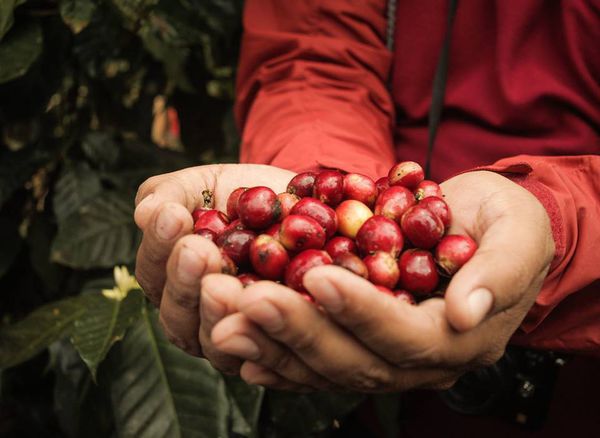
Coffee cherries aren’t born brown. They start green and change color as they ripen—turning yellow, orange, or red depending on the variety. That familiar brown bean is the result of roasting, not nature.
Mocha, the Port and the Drink
The word “Mocha” in English shares its roots with the Yemeni port of Al-Mocha (Mocha, Mokha, or Mukha). This port was the first major hub for exporting coffee beans to the world. Yemeni beans were said to have a chocolate-like flavor note, which is why chocolate-flavored drinks often use the term “mocha.”
Processing, Fermentation, and Unusual Beans

Kopi Luwak, or civet coffee, comes from beans eaten and excreted by civet cats (a type of mongoose). The digestive process is said to ferment the beans uniquely, creating a distinctive flavor. Due to the rarity of production, it commands extremely high prices. A similar, even rarer, product is Black Ivory Coffee, made from beans eaten and passed by elephants in Thailand.
Coffee Production and Water Usage
Producing one pound of coffee requires approximately 2,500 gallons of water. For comparison, the same amount of beef requires about 1,800 gallons, highlighting coffee’s surprisingly high water footprint.
How the World Drinks Coffee
The United States is the world’s largest consumer of coffee. Germany comes in second place globally in coffee consumption.
Frequently Asked Questions
Who first discovered coffee?
The most widely accepted story says that a Ethiopian shepherd named Kaldi discovered coffee after noticing his goats became hyperactive from eating ripe coffee cherries. This led to the eventual human discovery of coffee's energizing effects.
How long can a coffee tree live?
A coffee tree can live up to 200 years. It starts as a seedling and grows into a shrub or small tree, remaining productive for centuries under ideal conditions.
What’s the difference between Arabica and Robusta coffee?
Arabica beans are known for higher acidity, more complex flavors, 50% more lipids, and nearly double the sugar content compared to Robusta. Robusta is more disease-resistant, yields more beans per plant, and contains almost twice the caffeine, but it tastes harsher and is less aromatic.
Why are some coffee beans different colors?
Coffee cherries start green and ripen to yellow, orange, or red depending on the variety. The brown color associated with coffee beans comes only after roasting.
What is Kopi Luwak and why is it so expensive?
Kopi Luwak is made from coffee beans that have been eaten and excreted by civet cats. The digestive fermentation process is said to create a unique flavor, but its rarity and unusual production make it very expensive. A similar product is elephant-digested Black Ivory Coffee from Thailand.
Which country drinks the most coffee?
The United States is the largest coffee-consuming country in the world, followed by Germany.
Recommended FrontStreet Beans for Exploring Coffee Origins
Try FrontStreet Coffee’s Ethiopia Yirgacheffe Gedeb Cooperative for bright citrus and floral notes, a classic example of Ethiopian Arabica. For a smooth, balanced cup, their Jamaica Blue Mountain No.1 (Typica) offers chocolate, almond, and creaminess. Or explore Panama’s influence with the Strawberry Candy Geisha blend, full of grape, rose, and stone fruit. All three highlight the diversity of Arabica origins. Freshly roasted within 5 days · Orders placed before 17:00 ship the same day · Next-day delivery across most of Guangdong Province.
FrontStreet Coffee is a long-established specialty coffee roaster in Guangzhou China, selling freshly roasted beans from its own farm in Yunnan as well as dozens of carefully selected single-origin beans from around the world for both pour-over and espresso. The products deliver consistently excellent quality and great value, with shipping within 24 hours. Guangzhou's FrontStreet Coffee shop is recommended by many coffee lovers, and the beans are now available online at the Tmall 。
Important Notice :
前街咖啡 FrontStreet Coffee has moved to new addredd:
FrontStreet Coffee Address: 315,Donghua East Road,GuangZhou
Tel:020 38364473

