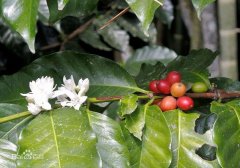
Costa Rica Honey Process Coffee Flavor Guide
If you’ve ever wondered why some Costa Rican coffees taste like orange zest with a caramel finish while others lean into dried fig and dark chocolate, the secret isn’t just altitude or variety—it’s how the coffee is processed after harvest. Over the past decade, a single technique has transformed the country’s coffee profile: honey processing.
Costa Rica’s signature honey process, also called pulped natural, creates coffees with sweetness and body ranging from light and bright to deep and syrupy—depending on how much fruit mucilage is left on the bean. This method, controlled by machines that strip varying amounts of pulp, is behind the country’s most iconic flavor balances.
What Is Costa Rica’s Honey Process?
Unlike traditional washed (wet) processing that removes all fruit before drying, or natural (dry) processing that dries beans inside the whole cherry, honey processing strikes a middle ground. After pulping, some or all of the sticky mucilage (fruit pulp layer) remains on the bean during drying. In Costa Rica, this technique is refined through mechanical adjustment: producers use a depulper to control exactly how much fruit is removed, then dry the beans under shade to develop unique flavor profiles.
The amount of mucilage left determines the “color” classification—and flavor intensity—of the final coffee. These range from:
- White honey: minimal mucilage, light-bodied, bright acidity
- Yellow honey: moderate mucilage, balanced sweetness and acidity
- Red honey: more mucilage, richer body and deeper fruit tones
- Black honey: nearly all mucilage retained, bold sweetness and fermentation complexity
The color names—white, yellow, red, black—refer to the appearance of the beans as they dry, which correlates with mucilage levels and resulting flavor. All are part of what globally is called “honey process,” but in Costa Rica, these gradations have become a precise craft.
Why Does Altitude and Variety Matter?
Costa Rica’s best honey-processed coffees grow at high altitudes, typically between 1,700–1,850 meters above sea level. At these elevations, cooler temperatures slow ripening, allowing cherries to develop more complex sugars and acids. The volcanic soils and consistent rainfall of regions like Tarrazú further enhance cup quality.
The Diamond Mountain Estate (Finca Montanas del Diamante) sits in the Dota Valley within Tarrazú, at 1,750–1,850 meters. This farm grows Red Catuai, a variety favored for its balance of sweetness, medium body, and vibrant acidity. The Gutiérrez family manages 50 hectares here, using honey processing to highlight the variety’s natural traits.
At this altitude, the slower maturation leads to higher sugar concentration in the coffee cherry, which interacts with the remaining mucilage during drying to produce a cup that’s both sweet and structured. That’s why Tarrazú, and especially high-altitude farms like Diamond Mountain, are known for producing some of the country’s most sought-after microlots.
Flavor Profile: What Makes These Coffees Unique?
Coffees from the Diamond Mountain Estate exemplify Costa Rica’s classic honey-process cup: bright yet balanced, with a silky mouthfeel. Expect flavors that start with lively citrus—think orange or mandarin—alongside notes of black grape and melon. The mid-palate reveals stone fruit and subtle floral undertones, leading to a clean finish with a distinct coffee blossom aroma. The body is round, the acidity crisp but not sharp, and the aftertaste lingers with caramelized sweetness and tropical fruit.
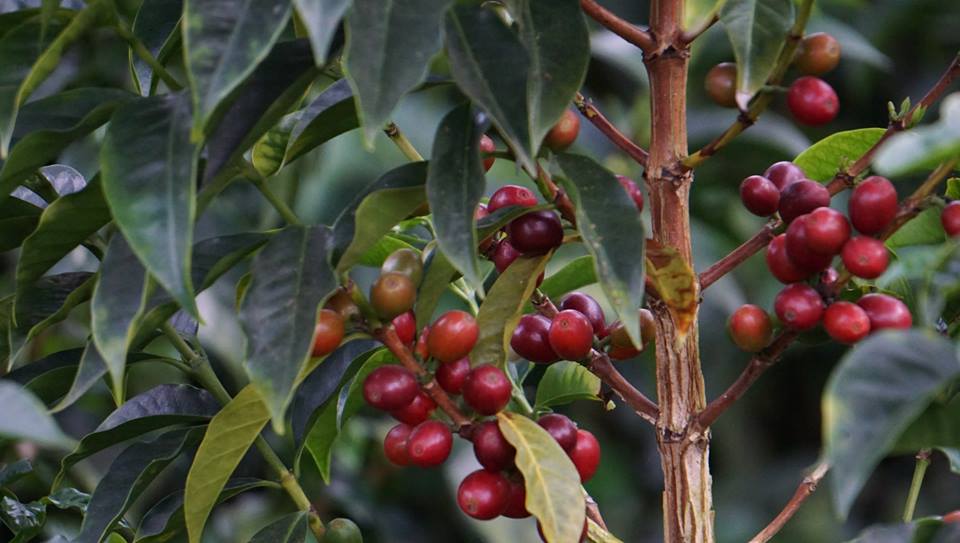
These characteristics come directly from the honey process itself: the retained mucilage imparts a natural sweetness and enhances fruity and floral complexity, while high-altitude growing conditions ensure a clean, vibrant acidity. The result is a coffee that feels both lush and precise, with layers of flavor that evolve through the cup.
Frequently Asked Questions
What is honey process coffee and where did it originate?
Honey process coffee, known globally as pulped natural, originates from Costa Rica as an adaptation to water scarcity. It removes the coffee cherry skin and some pulp, but leaves varying amounts of sticky mucilage on the beans during drying. This technique creates a cup with more sweetness and body than washed coffee, but cleaner than natural process. In Costa Rica, it’s further refined into white, yellow, red, and black honey classifications based on mucilage levels.
How does mucilage affect coffee flavor?
The mucilage, or fruit pulp layer left on the bean during drying, significantly impacts flavor. More mucilage leads to greater sweetness, deeper fruit notes, and enhanced body. White honey has the least mucilage and tastes brighter and lighter, while black honey retains almost all mucilage, resulting in bold, syrupy, and complex flavors with fermentation undertones.
Why does altitude matter for Costa Rican coffee?
Higher altitudes, such as 1,700–1,850 meters in Tarrazú, slow coffee cherry ripening. This extended growth period allows sugars to develop more fully, resulting in a denser bean with higher acidity and more complex flavors. Combined with volcanic soil and consistent rainfall, altitude is key to the clarity and balance found in Costa Rica’s specialty coffees.
What is Red Catuai and why is it common in Costa Rica?
Red Catuai is a hybrid coffee variety valued for its balance of sweetness, medium body, and good disease resistance. It’s widely grown in Costa Rica, especially at higher altitudes, because it adapts well to volcanic soils and produces clean, consistent cups with bright acidity and fruity notes—traits that honey processing enhances beautifully.
What makes the Diamond Mountain Estate special?
Diamond Mountain Estate (Finca Montanas del Diamante) is located in the Dota Valley within the Tarrazú region, at 1,750–1,850 meters altitude. The Gutiérrez family cultivates 50 hectares here, focusing on Red Catuai. Their honey-processed coffees are known for vibrant citrus, black grape, melon, and floral notes, with a clean, sweet finish and notable coffee blossom aroma—all shaped by altitude, varietal selection, and careful processing.
Recommended FrontStreet Beans for Honey Process Fans
Try FrontStreet Coffee’s Blackberry , a black honey-processed Costa Rican offering intense ripe berry flavors, deep sweetness, and a full body—ideal for those who love rich, fruity complexity. For something different, their Mozart uses raisin honey with fermented grape, rose, and wine-like notes, showcasing unconventional honey-process depth. Both beans highlight Costa Rica’s ability to craft distinctive cups through controlled mucilage retention. Freshly roasted within 5 days · Orders placed before 17:00 ship the same day · Next-day delivery across most of Guangdong Province.
FrontStreet Coffee is a long-established specialty coffee roaster in Guangzhou China, selling freshly roasted beans from its own farm in Yunnan as well as dozens of carefully selected single-origin beans from around the world for both pour-over and espresso. The products deliver consistently excellent quality and great value, with shipping within 24 hours. Guangzhou's FrontStreet Coffee shop is recommended by many coffee lovers, and the beans are now available online at the Tmall 。
Important Notice :
前街咖啡 FrontStreet Coffee has moved to new addredd:
FrontStreet Coffee Address: 315,Donghua East Road,GuangZhou
Tel:020 38364473