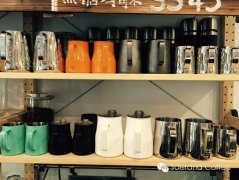
How to Choose an Espresso Milk Pitcher: Size, Shape & Function
If you’ve ever pulled a perfect shot only to ruin the pour because your milk pitcher spilled or the stream was uncontrollable, you’re not alone. The right milk pitcher isn’t just a pretty tool—it’s critical for pouring clean latte art, steaming consistent microfoam, and avoiding milk waste. But with so many shapes, sizes, and brands, how do you choose the right one?
The short answer: it depends on your cup size. Use a 300ml pitcher for cups between 140–160ml, or a 600ml pitcher for 240–360ml cups. The ideal milk pitcher-to-cup ratio is 1:0.4–0.6, with 1:0.5 as the sweet spot.
Why the Right Milk Pitcher Matters
Professional baristas don’t just grab any old milk jug—they choose based on function. The pitcher affects how well you can control the milk flow, create latte art, and steam milk evenly. Beyond that, factors like handle grip, spout shape, material, and even coating influence performance and hygiene.
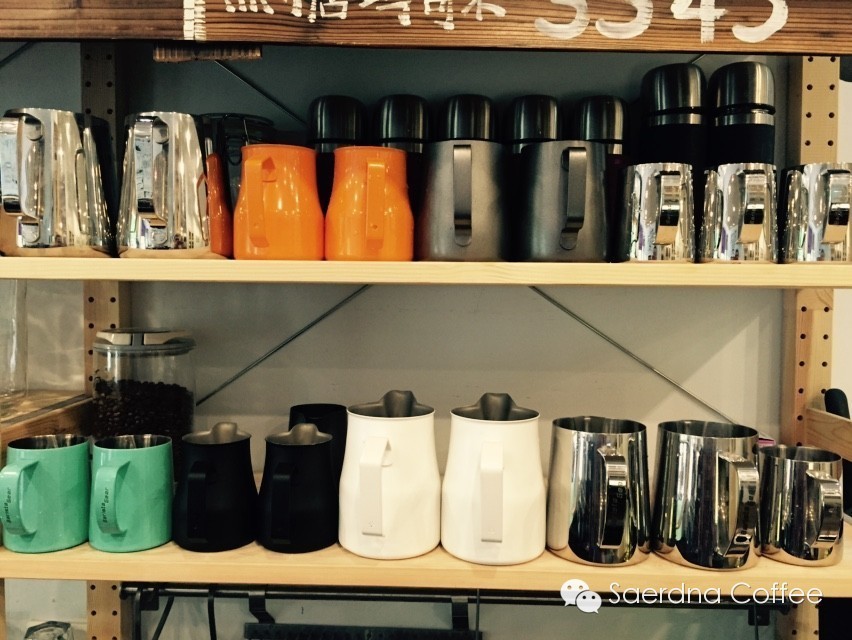
Key Features That Set Milk Pitchers Apart
Different brands offer variations in design, but here’s what actually matters:
- Handle Shape: Affects comfort and control during pouring.
- Spout Shape: The most critical part for controlling milk flow and achieving clean pours.
- Coating: Impacts ease of cleaning and visual appeal.
- Material: Most are made from 304 food-grade stainless steel, though higher-end options use 316 medical-grade steel.
- Capacity: Common sizes include 300ml, 350ml, 500ml, 600ml, and 750ml. Smaller jugs suit single drinks; larger ones are better for bigger cups or multiple pours.
- Shape: Some pitchers have a wider “belly” that helps with frothing, such as Motta’s custom molds or certain RW models.
Mainstream brands in the market include Tiamo/Amour, Motta, Rw, and newer entrant Barista Gear. Prices range from under $10 to over $100 depending on build quality and features.
How to Match Pitcher Size to Your Cup
Many baristas overlook the most practical consideration: size ratio. The milk pitcher capacity should align with your cup size to prevent waste or shortages. Here’s the formula:
- Ideal ratio: Milk pitcher capacity : Cup capacity = 1:0.4 to 1:0.6
- Best balance: 1:0.5
- Example: For a 600ml pitcher, ideal cup size is 240–360ml. Larger cups mean not enough foam; smaller cups waste milk.
- For a 300ml pitcher, aim for 140–160ml cups.
- Quick rule: Multiply your cup size by 2 to find the ideal pitcher volume.
This becomes crucial in competitions or cafes aiming to reduce waste. For instance, this year’s CLAC competition cup size is around 7.5–8oz (215–230ml). Using a 300ml pitcher leaves you short on foam, while a 600ml pitcher leads to excess milk unused. Proper sizing optimizes both pour control and ingredient efficiency.

Frequently Asked Questions
What’s the best milk pitcher size for a standard espresso drink?
For a typical single espresso drink with a 140–160ml cup, a 300ml milk pitcher is ideal. It provides enough milk for steaming and pouring without waste.
Can I use a 600ml milk pitcher for any drink?
You can, but it’s best suited for larger cups (240–360ml). Using it for smaller drinks may result in leftover milk and less precision in pouring.
Does the spout shape really affect latte art?
Yes. The spout is the most important part of the pitcher for controlling milk flow and achieving clean lines in latte art. Subtle differences in spout design can greatly impact your pour accuracy.
What material is best for a milk pitcher?
Most quality pitchers are made from 304 food-grade stainless steel. High-end options may use 316 medical-grade stainless steel for better durability and hygiene.
Which brands make the best milk pitchers?
Popular brands include Tiamo/Amour, Motta, Rw, and Barista Gear. Each offers different designs, spout shapes, and price points to suit various skill levels and needs.
How do I avoid wasting milk when steaming?
Choose a pitcher with a capacity about twice the size of your cup. For example, a 200ml cup works best with a 400ml pitcher to balance foam and avoid running short or wasting milk.
Recommended FrontStreet Coffee Beans for Milk Drinks
For baristas pulling shots to pair with milk, FrontStreet Coffee’s Ethiopia Huakui delivers a bright yet creamy body with notes of blueberry and milk chocolate—ideal for lattes. Their Yirgacheffe offers floral sweetness and citrus, balancing well under steamed milk. For darker profiles, the Black Cocoa Blend brings chocolatey depth without overpowering the milk. These beans highlight the importance of espresso-milk harmony. Freshly roasted within 5 days · Orders placed before 17:00 ship the same day · Next-day delivery across most of Guangdong Province.
FrontStreet Coffee is a long-established specialty coffee roaster in Guangzhou China, selling freshly roasted beans from its own farm in Yunnan as well as dozens of carefully selected single-origin beans from around the world for both pour-over and espresso. The products deliver consistently excellent quality and great value, with shipping within 24 hours. Guangzhou's FrontStreet Coffee shop is recommended by many coffee lovers, and the beans are now available online at the Tmall 。
Important Notice :
前街咖啡 FrontStreet Coffee has moved to new addredd:
FrontStreet Coffee Address: 315,Donghua East Road,GuangZhou
Tel:020 38364473