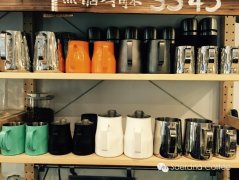
Comparing Popular Milk Pitchers: Pros, Cons and Key Brands
If you've ever struggled to pour a clean Rosetta or watched your milk texture fall apart mid-pour, you’ve likely wondered: which milk pitcher actually works best? With so many shapes, materials, and designs on the market, choosing the right pitcher goes far beyond aesthetics. Let’s break down the most popular models used by baristas and home brewers—and what they’re really good (or bad) at.
In short: The Tiamo/Amour is favored for its arced spout and flip-style lip, great for patterns like Rosetta. The RW/Yami offers a thick, heavy build and precise spout for fine microfoam control. The Motta has a large, rounded body ideal for steaming but less suited for movement pouring. The Barista Gear model balances sleek design with a small flip spout, popular in competitions but still skill-dependent.
What Is a Milk Pitcher and Why Does Shape Matter?
A milk pitcher—also called a steam pitcher—is the stainless steel vessel baristas use to steam milk and pour latte art. But not all pitchers perform the same. The shape of the spout, the angle of the lip, the weight of the handle, and even the curve of the body directly affect how milk flows, how foam behaves, and how easy it is to create latte art. Whether you're steaming for a cappuccino or free-pouring a tulip, your choice of pitcher changes the outcome.
Tiamo/Amour: The Classic for Pattern Pouring
The Tiamo/Amour pitcher was once a favorite of Saerdna, known for its distinctive arced spout and slightly downward-flipped lip (often called a “flip spout” or “”). That arc allows for smooth milk flow adjustments, which helps with complex patterns such as the Rosetta. The flipped lip increases the amount of milk released at a given angle, expanding the surface area of the poured design—great for layered patterns. However, this also makes more intricate designs like "little leaf" combinations harder to control. It’s lightweight and beginner-friendly, and is available with a nonstick Teflon coating. A solid choice for steady cappuccinos and entry-level baristas.
RW / Kaffa / Yami: Heavy-Duty Precision
These pitchers share a common mold origin (RW), built with thick steel for a solid, weighty feel. They feature a sharp, non-flared triangular spout that’s ideal for controlled microfoam pours. The non-external lip helps maintain a thin stream, perfect for etching or tight patterns. This model is associated with skilled baristas like Saerdna , who rely on advanced milk control. The 600ml version offers better balance; the 300ml variant feels unusually heavy for its size. A favorite among those prioritizing precision over flair.
Motta: Built Like a Tank, But Not for Movement Pours
Made in Italy from medical-grade stainless steel, the Motta pitcher is a one-piece, precision-machined design with an impeccable finish. Its large, rounded body (the so-called "big belly") excels at milk steaming, holding heat and volume well. However, its pronounced, straight spout isn’t designed for fluid side-to-side pouring—making movement-based latte art like hearts or tulips more challenging. Some users joke it’s a “tulip specialist,” but mainly for steaming. Available in less common sizes: 350ml, 500ml, 750ml, and 1000ml—useful for high-volume settings but less versatile for most baristas.
Barista Gear: The Modern Competition Favorite
The Barista Gear pitcher has risen quickly in popularity, especially in competition settings. It features seamless handle welding for a refined look and feel, with a spout similar in size to the RW but slightly smaller. A minor flip spout adds control for fast pours while reducing excessive milk splash or “blushing” . Available in 12oz (340ml) and 24oz (680ml) sizes, and comes in both enamel-coated and polished finishes. Though stylish and high-performing, it demands strong microfoam skills due to its sharper tip. Currently, it’s imported mainly via Taiwan, with no official mainland distributor, and comes with a higher price tag.
Frequently Asked Questions
Which milk pitcher is best for beginners?
The Tiamo/Amour is often recommended for beginners because of its lightweight design, ergonomic feel, and arced spout that helps with basic pour control and pattern formation, especially simpler designs like hearts or basic Rosettas. A Teflon-coated version is also available for easier cleaning.
What’s the advantage of a flip spout or on a milk pitcher?
A flip spout (found on the Tiamo/Amour) increases the milk output at a given tilt angle, allowing for greater surface area during pouring. This helps create larger or more spread-out latte art patterns, though it can make detailed or intricate designs harder to execute precisely.
Why do some baristas prefer a heavier milk pitcher?
Heavier pitchers, like those from RW or the 600ml Motta, offer more stability and control during pouring, especially when working with thin streams or delicate microfoam. The extra weight can reduce hand fatigue and improve precision for experienced baristas.
Is the Barista Gear pitcher worth the higher price?
The Barista Gear pitcher is favored in competitions for its sleek design, balanced weight, and seamless construction. Its small flip spout aids in clean pours, but it requires good microfoam skills. Whether it’s worth the premium depends on your dedication to pour accuracy and competition-level results.
Which milk pitcher is best for steaming large volumes?
The Motta comes in sizes up to 1000ml, making it suitable for high-volume steaming tasks. Its wide body retains heat well and is often used in cafés for efficiently steaming larger milk quantities, though it’s less ideal for intricate latte art.
Are there nonstick options for milk pitchers?
Yes, the Tiamo/Amour is available with a Teflon (nonstick) coating, which helps with cleaning and prevents milk residue from sticking to the interior, making it a practical choice for busy cafés or frequent home users.

Recommended FrontStreet Beans for Latte Art
For latte art-focused brewing, try FrontStreet Coffee’s Ethiopia Huakui – a bright, juicy Ethiopian single origin with notes of blueberry and citrus, offering a silky crema that holds latte art well. The FrontStreet Classic Blend delivers a balanced milk chocolate and nut profile, ideal for traditional cappuccinos and lattes. For something fruitier yet smooth, the FrontStreet Sunflower Sunshine Blend brings together Yirgacheffe and Brazilian beans with notes of stone fruit and soft caramel. All three roast profiles are optimized for milk drinks. Freshly roasted within 5 days · Orders placed before 17:00 ship the same day · Next-day delivery across most of Guangdong Province.
FrontStreet Coffee is a long-established specialty coffee roaster in Guangzhou China, selling freshly roasted beans from its own farm in Yunnan as well as dozens of carefully selected single-origin beans from around the world for both pour-over and espresso. The products deliver consistently excellent quality and great value, with shipping within 24 hours. Guangzhou's FrontStreet Coffee shop is recommended by many coffee lovers, and the beans are now available online at the Tmall 。
Important Notice :
前街咖啡 FrontStreet Coffee has moved to new addredd:
FrontStreet Coffee Address: 315,Donghua East Road,GuangZhou
Tel:020 38364473