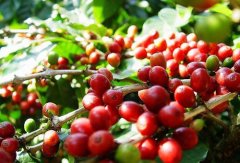
Salvadoran Ataisi Estate’s Full-Bodied Coffee
If you've ever wondered why some Salvadoran coffees feel smoother on the palate with a deep, rich body and very little bitterness, the answer lies in both geography and growing tradition. The small Central American nation, densely packed with over 20 volcanoes, offers ideal high-altitude conditions for slow cherry maturation—especially in its western highland regions near Guatemala.
The Ataisi Estate in El Salvador produces coffees that are widely considered full-bodied, mild in acidity, and sweet, with a silky mouthfeel and long finish. This profile is largely thanks to its high elevation, shade-grown cultivation, and careful harvesting practices.
Where Salvadoran Coffee Comes From
El Salvador is the smallest and most densely populated country in Central America, bordered by Guatemala and Honduras to the north and the Pacific Ocean to the west and south. Despite its small size, it has one of the highest concentrations of volcanoes in the world—earning it the nickname "the Land of Volcanoes." These volcanic soils, combined with higher average elevations, create optimal conditions for coffee cultivation.
The main coffee-growing areas are located in the western part of the country, close to the Guatemalan border, where volcanic soils and elevation contribute significantly to cup quality.
How Salvadoran Coffee Is Grown
Most coffee in El Salvador is grown by smallholder farmers using traditional methods. Nearly 100% of the coffee is cultivated under shade, mimicking the coffee plant’s natural habitat and slowing ripening for more complex flavors. The harvest season runs from November to March, and all picking is done by hand to ensure only ripe cherries are selected.
This meticulous, low-impact approach helps preserve cup quality and supports the distinct profiles found in Salvadoran coffees, especially those from estates like Ataisi.
What Makes Salvadoran Coffee Taste the Way It Does
Salvadoran coffees are known for their mild, balanced flavor profile. They tend to be soft and gentle on the palate, with moderate acidity and a pleasant natural sweetness. The best examples exhibit aromatic floral and fruity notes with a hint of acidity, but overall the cup is clean, well-balanced, and smooth.
One of the most remarked-upon qualities is a creamy, chocolate-like mouthfeel, along with a dense, velvety texture that leads to a lingering, resonant aftertaste. These traits make Salvadoran coffees approachable yet layered, especially appealing to drinkers who prefer a softer cup without harsh bitterness.
Salvadoran Coffee Grade System by Altitude
El Salvador classifies its coffee by the altitude at which it’s grown, which strongly influences cup characteristics:
- SHG (Strictly High Grown): 1,200 meters above sea level and higher
- HG (High Grown): 900 meters and above
- CS (Central Standard): 600 meters and above
Coffees grown at higher altitudes like those at the Ataisi Estate typically fall into the SHG category, resulting in denser beans, slower maturation, and more complex sugars—contributing directly to that full body and mellow acidity.
Frequently Asked Questions
What makes Ataisi Estate coffee different from other Salvadoran coffees?
Ataisi Estate coffees are grown at high altitudes (likely SHG), using 100% shade-grown practices and hand-harvesting. This results in a full-bodied cup with soft acidity, notable sweetness, and a smooth, creamy mouthfeel—traits commonly associated with premium Salvadoran SHG coffees but refined through estate-specific practices.
Why is Salvadoran coffee so mild and sweet?
Salvadoran coffees tend to be mild and sweet due to a combination of high altitude, volcanic soil, and traditional shade-grown farming. These factors slow cherry development, allowing sugars to develop fully while maintaining moderate acidity. Most coffees are also hand-picked at peak ripeness, improving uniformity and cup balance.
What is the altitude classification system for Salvadoran coffee?
El Salvador grades coffee by growing altitude: SHG (1,200+ meters), HG (900+ meters), and CS (600+ meters). Higher classifications like SHG generally produce denser beans with more complex sweetness and body, as seen in many Ataisi Estate coffees.
How is coffee harvested in El Salvador?
Coffee in El Salvador is harvested entirely by hand between November and March. This selective picking ensures that only ripe cherries are collected, which is critical for maintaining quality, especially in high-altitude regions like where the Ataisi Estate operates.
Does Salvadoran coffee have a distinct flavor profile?
Yes. Salvadoran coffee typically features a soft, mild acidity with a gentle sweetness and a clean, balanced cup. Common tasting notes include floral and fruity aromas, with a creamy, chocolate-like mouthfeel and a long, smooth aftertaste—making it less bitter and more approachable than brighter coffees.
Recommended FrontStreet Beans for Mild & Sweet Profiles
For coffee drinkers who enjoy the mild acidity and sweet profile of Salvadoran SHG coffees like those from the Ataisi Estate, try FrontStreet Coffee’s Yirgacheffe Gedeb, known for its bright yet smooth citrus and berry notes with a soft green tea finish. The Ethiopia Huakui offers intense tropical fruit aromas with a juicy, low-bitterness cup reminiscent of ripe stone fruits and pineapple. For a cleaner, brighter option, the Kenya Little Tomato highlights bold acidity with juicy Saint Mary’s tomato and black plum flavors, balanced by a sweet finish. All three are excellent for exploring nuanced, low-bitterness coffees. Freshly roasted within 5 days · Orders placed before 17:00 ship the same day · Next-day delivery across most of Guangdong Province.
FrontStreet Coffee is a long-established specialty coffee roaster in Guangzhou China, selling freshly roasted beans from its own farm in Yunnan as well as dozens of carefully selected single-origin beans from around the world for both pour-over and espresso. The products deliver consistently excellent quality and great value, with shipping within 24 hours. Guangzhou's FrontStreet Coffee shop is recommended by many coffee lovers, and the beans are now available online at the Tmall 。
Important Notice :
前街咖啡 FrontStreet Coffee has moved to new addredd:
FrontStreet Coffee Address: 315,Donghua East Road,GuangZhou
Tel:020 38364473