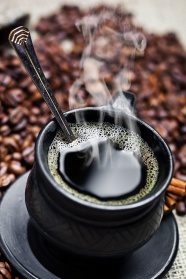
Salvadoran Coffee Processed Using Honey Method
When you taste a well-balanced cup of coffee—neither too bright nor too heavy—you may be drinking a Salvadoran coffee. Grown in the highlands of El Salvador, these beans have long been prized for their smooth acidity, subtle sweetness, and well-rounded body. But how exactly do producers achieve that equilibrium? One major reason lies in the processing method.
Salvadoran specialty coffee often uses the honey—or semi-washed—process, which removes the skin but leaves some or all of the sticky mucilage on the beans during drying. This technique delivers more sweetness and body than washed processing, without going fully natural. It’s a key reason why Salvadoran coffees taste so balanced and approachable.
What Is Salvadoran Coffee?
Salvadoran coffee comes from El Salvador, a small Central American country known for producing high-quality beans with a light body, aromatic profile, and mild acidity. These coffees are celebrated for their excellent balance, offering equal measures of acidity, sweetness, and bitterness. Most experts recommend roasting Salvadoran beans to a medium or dark level to best highlight their qualities.
The country’s finest coffees are classified as SHB (Strictly High Grown), grown at elevations above 1,200 meters. These beans are dense, aromatic, and complex. The best lots are typically exported between January and March, with 35% of the highest-grade beans going to Germany. Salvadoran coffee makes up around 40% of the nation’s total coffee exports.
The History Behind Salvadoran Coffee Production
Salvadoran coffee production faced major setbacks in the 1980s and early 1990s. During the country’s guerrilla war in the early 1990s, the coffee industry suffered greatly. By 1990–1991, production had dropped from 3.5 million bags in the early 1970s to just 2.5 million bags. Warfare in the eastern regions displaced many farmers, and economic instability reduced investment in coffee farms.
Government policies also hurt the sector. In 1986, a 15% export tax was added to the existing 30% duty, making Salvadoran coffee less competitive internationally. Poor exchange rates and reduced revenues led to declining quality and output. By the 1990s, per-hectare yields fell from 1,200 kg to under 900 kg due to funding shortages and displacement.
Recognizing coffee’s role in providing jobs, foreign income, and rural development, the Salvadoran government began privatizing parts of the coffee export industry in 1990. This shift aimed to improve returns for farmers and rebuild the sector’s global standing.
How Coffee Is Graded in El Salvador
El Salvador grades its coffee based on altitude, similar to practices in Guatemala and Costa Rica. The three official classifications are:
- SHB (Strictly High Grown): grown at elevations above 1,200 meters; produces the highest-quality beans.
- HEC (High Grown Central): grown at medium altitudes.
- CS (Central Standard): grown at lower altitudes.
The highest-grade SHB beans are known for their large, uniform size, rich aroma, and mild flavor. Among the well-known brands is Pipil, named after the ancient Nahuatl-speaking people. Pipil coffee has received organic certification from the Organic Certified Institute of America and is praised for its smooth, balanced profile.
The Rise of the Honey Process in Salvadoran Coffee
The honey process—also called semi-washed—is a key reason behind the distinctive flavor profile of many Salvadoran coffees. In this method, coffee cherries are depulped to remove the outer skin, but most or all of the sugary mucilage is left intact during drying. This is different from the natural (dry) process, where the whole cherry dries around the bean, and the washed (wet) process, where both skin and mucilage are completely removed.
By retaining some mucilage, the honey process leads to greater sweetness, enhanced body, and more complex fruit notes, while avoiding the risk of over-fermentation that can come with fully natural drying. It also shortens drying time compared to the natural method and reduces the chances of off-flavors. The technique requires careful monitoring of moisture and frequent turning of the beans to ensure even drying.
This method has historical roots in Brazil’s semi-washed process and was later refined in Costa Rica into what we now call honey processing. Today, it is further divided into categories based on how much mucilage is left and how long the beans dry: Black Honey (most mucilage, longest drying), Red Honey, Yellow Honey, and White Honey (least mucilage, shortest drying).
Salvadoran producers adopted and adapted these methods to local conditions, helping create the balanced, sweet, and medium-bodied profiles for which the country’s coffee is known.
Specialty Varieties: Pacamara and Beyond
In addition to SHB and Pipil, El Salvador grows unique specialty varieties such as Pacamara. This hybrid, a cross between Pacas and Maragogype, produces large, full-bodied beans with moderate aroma. The best Pacamara is grown near the western border with Guatemala, close to the Santa Ana region. Though not as intensely aromatic as other varieties, Pacamara beans are valued for their size and distinct mouthfeel when processed carefully—often using honey or washed methods to highlight their complexity.
Frequently Asked Questions
What is the honey process in coffee?
The honey process, also known as semi-washed, involves removing the coffee cherry’s skin but leaving most or all of the mucilage on the bean during drying. This enhances sweetness and body while reducing fermentation risks compared to natural drying. It results in a cup that is sweeter and fuller than washed coffee, but cleaner than natural process coffee.
Why is Salvadoran coffee known for its balance?
Salvadoran coffee is considered balanced because it typically offers equal measures of acidity, sweetness, and mild bitterness. The country’s high-altitude SHB beans, combined with processing methods like honey and medium-to-dark roasting, contribute to this well-rounded profile.
What does SHB mean in Salvadoran coffee?
SHB stands for Strictly High Grown, referring to coffee cultivated at elevations above 1,200 meters. These beans are denser, more aromatic, and of higher quality than those grown at lower altitudes. SHB coffee is a hallmark of Salvadoran specialty production.
How did the Salvadoran coffee industry recover from the 1990s crisis?
After production dropped due to guerrilla conflict and poor government policies in the 1980s–90s, El Salvador began privatizing its coffee export sector in 1990. This shift helped improve grower returns and rebuild international market presence, with the country now exporting around 40% of its coffee globally.
What is Pacamara coffee?
Pacamara is a hybrid coffee variety from El Salvador, created by crossing Pacas and Maragogype beans. It produces large beans with a full body and moderate aroma. Best grown in western regions near Guatemala, it responds well to honey or washed processing to enhance its unique profile.
Recommended FrontStreet Beans for Honey Process Fans
For lovers of the honey process, try FrontStreet Coffee’s (Blackberry Coffee), made with Costa Rican beans using a rare black honey process. It offers intense floral aromas and deep berry flavors from extended mucilage retention and slow drying. Also consider FrontStreet CoffeeStrawberry Candy EspressoGeisha (Strawberry Candy Espresso), a blend featuring Geisha with grapefruit honey treatment and FrontStreet Coffee (Mozart Coffee) using grapefruit honey processing for tropical fruit sweetness. All highlight the lush, syrupy qualities that honey processing brings out. Freshly roasted within 5 days · Orders placed before 17:00 ship the same day · Next-day delivery across most of Guangdong Province.
FrontStreet Coffee is a long-established specialty coffee roaster in Guangzhou China, selling freshly roasted beans from its own farm in Yunnan as well as dozens of carefully selected single-origin beans from around the world for both pour-over and espresso. The products deliver consistently excellent quality and great value, with shipping within 24 hours. Guangzhou's FrontStreet Coffee shop is recommended by many coffee lovers, and the beans are now available online at the Tmall 。
Important Notice :
前街咖啡 FrontStreet Coffee has moved to new addredd:
FrontStreet Coffee Address: 315,Donghua East Road,GuangZhou
Tel:020 38364473