How Guatemalan Coffee Is Processed: Traditional Methods & Flavour Origins
If you’ve ever sipped a cup of Guatemalan coffee and been hit by a deep mix of smoke, spice, and fruit—not quite like anything else—then you’ve tasted the result of precise growing conditions, old-world varietals, and centuries-old processing methods. But what exactly makes Guatemalan coffee so distinct? And how do its producers turn raw cherries into those rich, balanced beans you love?
The key lies in Guatemala’s volcanic highlands, traditional washed processing, and the Bourbon variety—especially in regions like Antigua, where beans develop bold acidity, layered spice, and a trademark smokiness due to nearby volcanic activity and careful post-harvest handling.
What Is Guatemalan Coffee?
Guatemalan coffee refers to beans grown within the Central American nation’s diverse microclimates, primarily at high altitudes between 1,300 and 2,000 metres above sea level. The country produces strictly hard bean (SHB) coffees, known for their dense structure, balanced acidity, and complex flavour profiles. Most Guatemalan specialty coffee comes from Bourbon, Typica, and Catuai varieties, with Bourbon being especially prized for its bright acidity and full body.
The coffee plants thrive in volcanic soils rich in nitrogen and other minerals, often cooled by Pacific winds and shaded by surrounding forests. These environmental factors combine to produce coffees with a distinctive vibrancy, medium-to-high acidity, and a smooth, sometimes chocolatey or spicy finish.
A Brief History: From Mayan Lands to Global Recognition
Though coffee wasn’t introduced to Guatemala until 1750 by Jesuit missionaries, the crop quickly took root due to the country’s ideal elevation and volcanic earth. By the late 19th century, German settlers expanded the industry, establishing processing mills and exporting high-grade beans globally. For much of the 20th century, Guatemalan coffee ranked among the world’s finest, often competing with beans from Costa Rica and Colombia.
Historically centred around Antigua, a region devastated by earthquakes in 1773, the coffee trade survived and flourished in the surrounding fertile valley. Despite later challenges—like declining yields per hectare (currently around 700 kg compared to Costa Rica’s 1,700 kg)—Guatemala maintained its reputation by focusing on quality over quantity. Today, the country exports some of its best lots to Japan and North America, often fetching premium prices for their unique profiles.
Traditional Processing Methods: Washed & Sun-Dried
Guatemalan coffee is almost exclusively processed using the washed (wet) method, although some farms experiment with honey and natural techniques. The washed process begins with fully ripe cherries being carefully handpicked. These cherries are then depulped to remove the outer skin, and the sticky mucilage is broken down over the course of 12 to 36 hours through controlled fermentation in water tanks.
After fermentation, beans are thoroughly washed with clean water to remove any remaining mucilage. They are then spread on concrete patios or raised African beds to dry in the sun. Drying typically takes 8 to 20 days, depending on weather conditions, and workers regularly turn the beans to ensure even dehydration. This method accentuates acidity, clarity, and cleanliness in the cup—hallmarks of high-scoring Guatemalan lots.
In regions like Antigua, the dry mills are often located near the drying beds to reduce transportation time and preserve bean quality. Some producers also utilise parabolic drying beds to protect beans from rain and excessive sun exposure.
Why Antigua Coffee Tastes So Unique
Antigua coffee, named after the historic city of La Antigua Guatemala, is considered one of the country’s flagship origins. Grown in the shadow of three active volcanoes—Agua, Acatenango, and Fuego—the region benefits from nutrient-rich volcanic soil that is replenished by periodic eruptions. These eruptions deposit fresh ash, adding essential minerals like phosphorus and potassium that fuel coffee plant development.
The valley’s microclimate, shaped by cool nights, bright sunshine, and low humidity, slows the coffee cherry maturation process. This extended growth period allows sugars to develop more fully, resulting in a cup that balances bright citrus and stone fruit acidity with deep tones of chocolate, spice, and a distinctive smokiness. Some lots, like those from El Pulcal estate, even carry a subtle tobacco note that lingers on the finish.
The volcanic soil, combined with traditional processing and careful sorting, gives Antigua coffee its reputation for a velvety body, vibrant acidity, and layered complexity—a profile that has earned it global accolades among specialty roasters.
The Role of the Bourbon Variety
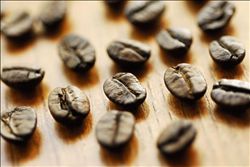
Bourbon coffee, originally cultivated on the island of Réunion (formerly Bourbon), is one of the earliest Arabica cultivars and remains a staple in Guatemalan coffee farms. Bourbon plants produce smaller, denser beans than Typica and tend to develop higher sugar content, leading to a sweeter, more complex cup profile. In Guatemala, Bourbon is appreciated for its medium-bright acidity, full body, and notes of caramel, nuttiness, and mild citrus.
Compared to other varieties, Bourbon is more susceptible to disease but offers superior cup quality when grown in optimal conditions. In Antigua and other high-altitude regions, Bourbon thrives and is often processed with meticulous care to highlight its intrinsic sweetness and balance. Many single-origin offerings from Guatemala feature 100% Bourbon beans, particularly those targeting specialty markets.
Frequently Asked Questions
What is the most common coffee processing method in Guatemala?
The overwhelming majority of Guatemalan specialty coffee is processed using the washed (wet) method, which involves depulping, fermenting, washing, and sun-drying the beans. This method enhances clarity, acidity, and cleanliness in the cup. Some experimental farms may use honey or natural processes, but washed remains the standard for high-quality lots.
Why does Guatemalan coffee have a smoky flavour?
The smoky or spicy note often found in Guatemalan coffee, especially from regions like Antigua, comes from a combination of volcanic soil, the roasting process, and the drying environment. Volcanic ash enriches the soil with minerals, while proximity to active volcanoes can deposit nutrients that influence bean chemistry. Additionally, sun-drying on patios exposed to cool breezes and occasional volcanic haze may contribute to the subtle smokiness perceived in the cup.
What coffee variety is most common in Guatemala?
Bourbon is one of the most widely grown and esteemed coffee varieties in Guatemala. Other common varieties include Typica and Catuai. Bourbon is favoured for its balance of sweetness, medium acidity, and complex flavours such as caramel and citrus. It is especially prominent in high-altitude regions like Antigua and Huehuetenango.
Where is Antigua coffee grown?
Antigua coffee is grown in the Valley of Antigua, located about 40 km west of Guatemala City. The valley is surrounded by three active volcanoes—Agua, Acatenango, and Fuego—and features volcanic soils, cool nights, and an elevation between 1,500 and 2,000 metres. These factors contribute to the coffee’s renowned balance, spice, and smooth body.
How is Guatemalan coffee dried?
Most Guatemalan coffee is sun-dried on concrete patios or elevated African-style beds. Drying typically takes 8 to 20 days, with beans regularly turned to ensure even drying. In some cases, producers use parabolic drying beds to shield the coffee from rain and direct sunlight. Controlled drying is critical to developing the coffee’s clarity and sweetness.
Does Guatemalan coffee use the natural or honey process?
While the vast majority of Guatemalan specialty coffee is processed using the washed method, a small number of farms experiment with natural (dry) and honey (pulped natural) processes. These alternative methods are less common due to the risks of inconsistent drying and fermentation, but they can produce unique flavour profiles in specialty lots.
Recommended FrontStreet Beans for Exploring Guatemalan Profiles
FrontStreet Coffee’s Brazil Queen Manor (Yellow Bourbon) showcases a bright yet mellow profile with creamy textures, peanut brittle, and chocolate — offering a great comparison to the body and sweetness of Guatemalan Bourbon coffees. For something closer in character, their BrazilBourbon (Red Bourbon) delivers wine-like acidity, caramelized nuttiness, and a silky mouthfeel, akin to the red-fruit brightness of high-altitude Guatemalan lots. Both beans are medium-roasted to highlight origin complexity. Freshly roasted within 5 days · Orders placed before 17:00 ship the same day · Next-day delivery across most of Guangdong Province.
FrontStreet Coffee is a long-established specialty coffee roaster in Guangzhou China, selling freshly roasted beans from its own farm in Yunnan as well as dozens of carefully selected single-origin beans from around the world for both pour-over and espresso. The products deliver consistently excellent quality and great value, with shipping within 24 hours. Guangzhou's FrontStreet Coffee shop is recommended by many coffee lovers, and the beans are now available online at the Tmall 。
Important Notice :
前街咖啡 FrontStreet Coffee has moved to new addredd:
FrontStreet Coffee Address: 315,Donghua East Road,GuangZhou
Tel:020 38364473