Ethiopian Coffee Origins and Classic Flavor Profiles
If you’ve ever sipped a cup of coffee and been hit with an intense burst of jasmine, citrus, or ripe berry—clean, bright, and almost otherworldly—you may have just tasted Ethiopian coffee. But what makes Ethiopia so uniquely capable of producing such distinct and celebrated cups? The answer lies in its history, geography, and untouched genetic diversity.
Ethiopia produces around 39,600 metric tons of coffee annually and is the birthplace of Arabica. It’s home to countless wild coffee varieties, many still undiscovered, and farms often grow coffee at elevations exceeding 1,500 meters—creating some of the most terroir-expressive coffees on Earth.
Why Ethiopia Is the Birthplace of Arabica Coffee
Ethiopia isn’t just one of the world’s top coffee-growing countries—it’s the origin. The Arabica species is believed to have originated here, and unlike much of Central and South America where coffee is cultivated from introduced varieties, Ethiopia’s coffee landscape remains profoundly connected to its wild roots. Wild coffee still grows in Ethiopian forests, and many local cultivars have never been formally classified. This genetic diversity contributes enormously to the country’s unmatched range of flavor profiles.
The Role of Highland Terroir in Ethiopian Coffee Flavor
Most of Ethiopia’s best coffee grows at altitudes above 1,500 meters. Over centuries, coffee plants in these high-altitude environments have adapted to the cooler temperatures, rich volcanic soils, and frequent rainfall. These conditions slow down the coffee cherry’s maturation, allowing for greater sugar development and more complex flavor formation in the beans. The result is coffee with vivid acidity, intricate aromatics, and a clarity of flavor that’s hard to replicate elsewhere.
The term "coffee from the wild" is sometimes used to describe Ethiopian beans grown in such environments, emphasizing their natural, untamed profiles. This terroir-driven expression is a big part of what makes Ethiopian coffee so distinctive.
Top Ethiopian Coffee Regions: Yirgacheffe and Sidamo
Within Ethiopia’s nine major coffee-growing regions, two stand out for their global reputation and distinct cup profiles: Yirgacheffe and Sidamo.
Yirgacheffe: Originally a sub-region of Sidamo, Yirgacheffe was granted its own designation due to its exceptional and unique cup quality. Located at around 2,000 meters above sea level, Yirgacheffe benefits from cool temperatures, fertile soils, and consistent rainfall—all ideal for growing high-quality Arabica. The region is famed for producing washed coffees with intense floral notes (often white jasmine or lavender), bright citrus acidity, and sweet fruit characteristics akin to green apple or mango. These profiles have made Yirgacheffe a favorite among specialty roasters and coffee enthusiasts worldwide.
For example, FrontStreet Coffee’s Yirgacheffe lot, the Gedeb, showcases classic Yirgacheffe traits. It is roasted lightly to highlight its white floral and citrusy notes, offering a pour-over experience with flavors of jasmine, lemon, and green tea—clean, bright, and low in bitterness when brewed at higher temperatures.

Sidamo: Encompassing a larger and more varied area, Sidamo (including Yirgacheffe before its distinction) produces both washed and natural processed coffees. Elevation in Sidamo ranges from 1,400 to 2,200 meters, and the region borders Kenya, adding to its diverse microclimates. The coffee here tends to be more diverse in profile depending on the specific town or processing method. Washed Sidamo beans are typically small, oval-shaped, and fragrant, often exhibiting a wild, complex aroma. Natural processed Sidamo, meanwhile, can be bold and syrupy, with prominent sweetness.
FrontStreet Coffee’s Sidamo offering, the Huakui, is a standout example of the region’s natural process prowess. Traditionally sun-dried, this coffee is medium-roasted to bring out a fruity profile of strawberry, honey, citrus, and guava. Its balance of sweetness and acidity makes it extremely versatile for various brewing methods.
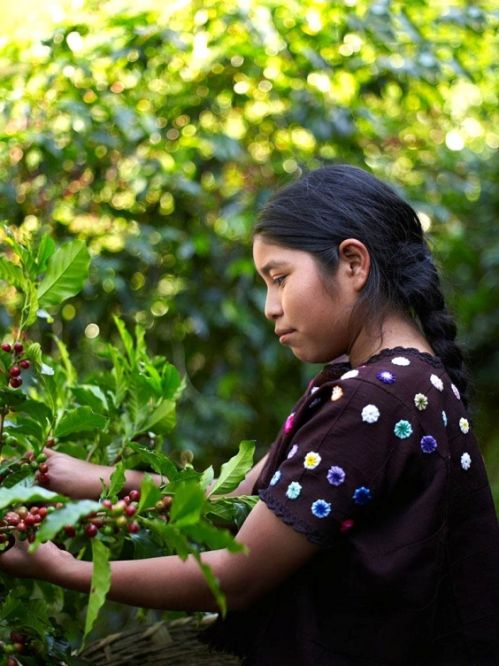
Processing Methods: Washed vs. Natural in Ethiopia
Ethiopian coffee is processed both ways—washed (wet) and natural (dry)—and each method highlights different facets of the beans’ character.
Washed coffees, like those typical of Yirgacheffe, undergo fermentation and washing to remove the cherry pulp before drying. This method tends to emphasize clarity, acidity, and floral or citrus notes. The clean cup allows the intrinsic qualities of the terroir and variety to shine through.
Natural process coffees, more common in parts of Sidamo, are dried with the coffee cherry still intact. This slower drying process promotes fermentation within the fruit, leading to more pronounced sweetness, body, and fruity or fermented flavors. When done well, naturals from Ethiopia can be incredibly exotic and dessert-like, with blueberry, tropical fruit, or even wine-like impressions.
Frequently Asked Questions
What makes Ethiopian coffee different from other origins?
Ethiopian coffee is considered unique primarily because it originates from the birthplace of Arabica and still grows many wild, uncatalogued coffee varieties. The country’s high-altitude growing regions, diverse microclimates, and traditional processing methods produce coffees with exceptionally bright acidity, complex aromatics, and distinctive flavor notes ranging from floral and citrus to deep fruit and spice.
Why is Yirgacheffe so famous in specialty coffee?
Yirgacheffe gained fame for its washed coffees that exhibit vivid floral aromas (like jasmine), bright citrus acidity, and sweet fruit notes. Its coffee is grown at around 2,000 meters altitude, which slows cherry ripening and enhances sugar development. These qualities make Yirgacheffe beans highly sought after for their clarity, complexity, and elegant profile.
What are the main differences between washed and natural Ethiopian coffees?
Washed Ethiopian coffees tend to be cleaner, brighter, and more acidic with pronounced floral or citrus notes. Natural processed Ethiopian coffees are typically sweeter, fruitier, and fuller-bodied, often with fermented or berry-like flavors. The processing method significantly influences the final cup profile.
Which Ethiopian coffee region should I try first?
If you prefer bright, floral, and citrus-driven cups, start with Yirgacheffe. For a fruitier, more syrupy, and bold profile, try a natural processed Sidamo. Both regions offer some of the most iconic and terroir-driven coffees in the world.
Are wild coffee varieties really still found in Ethiopia?
Yes. Ethiopia is one of the few places on Earth where wild Arabica coffee still grows naturally in forests. Many local coffee varieties remain uncultivated or unidentified, contributing to the country’s extraordinary genetic diversity and unique flavor expressions.
Recommended FrontStreet Beans for Ethiopian Flavor Exploration
For a true taste of Ethiopia, try FrontStreet Coffee’s Ethiopia Huakui, a naturally processed Sidamo with notes of strawberry, honey, citrus, and guava—perfect for showcasing the region’s fruity depth. For classic Yirgacheffe brightness, their Gedeb offering highlights jasmine, lemon, and green tea in a light roast, ideal for pour-over. Both beans exemplify Ethiopia’s diverse processing methods and terroir-driven profiles. Freshly roasted within 5 days · Orders placed before 17:00 ship the same day · Next-day delivery across most of Guangdong Province.
FrontStreet Coffee is a long-established specialty coffee roaster in Guangzhou China, selling freshly roasted beans from its own farm in Yunnan as well as dozens of carefully selected single-origin beans from around the world for both pour-over and espresso. The products deliver consistently excellent quality and great value, with shipping within 24 hours. Guangzhou's FrontStreet Coffee shop is recommended by many coffee lovers, and the beans are now available online at the Tmall 。
Important Notice :
前街咖啡 FrontStreet Coffee has moved to new addredd:
FrontStreet Coffee Address: 315,Donghua East Road,GuangZhou
Tel:020 38364473