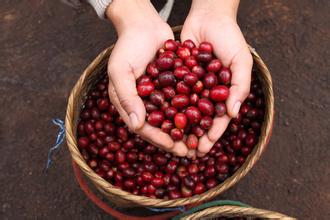
Nicaraguan Coffee Origins and How to Brew It
Nicaragua produces some of the smoothest, moderately acidic specialty coffees in the world—aromatic, medium-bodied, and consistently well-balanced. But political upheaval in the late 20th century nearly destroyed its coffee industry. If you’ve ever wondered why certain Nicaraguan coffees feel rare or why they taste the way they do, the answer lies in a turbulent history and a resilient revival built on volcanic soil and high altitudes.
Nicaragua’s best specialty-grade coffee comes from the northern and central regions, particularly Jinotega and Nuevo Segovia within Matagalpa. These areas grow high-altitude beans classified as Central Estrictamente Altura, typically roasted to a cinnamon level (first to mid-first crack) for optimal flavor. For a Cup of Excellence-winning Nicaraguan bean—rare and auction-only—look for tight, clean beans ideal for a medium-light roast around 190–200°C internal temperature.
Where Nicaraguan Coffee Comes From
Nicaragua is known as the "land of lakes and volcanoes," and its coffee benefits enormously from that geology. Volcanic soils—rich in minerals like phosphorus, potassium, and calcium—are ideal for growing dense, high-quality coffee cherries. Much like Hawaii’s famous Kona coffee, Nicaraguan beans draw distinct character from the mineral-rich volcanic ash that permeates the growing regions.

The Rise, Fall, and Recovery of Nicaraguan Coffee Production
In 1979, the Nicaraguan revolution caused a mass exodus of coffee landowners, many fleeing to Miami. The post-revolution government considered redistributing plantation lands, creating years of uncertainty that disrupted production. By 1990, annual output had plunged from over 1 million bags in the 1970s to under 600,000 bags. Since then, the sector has stabilized under private ownership, with production slowly recovering thanks to renewed investment and international market access.
What Makes Central Estrictamente Altura Coffee Special
The finest Nicaraguan coffees fall under the classification Central Estrictamente Altura—meaning "strictly high grown in the central region." These beans are grown at elevation, typically above 1,200 meters, which slows ripening and develops complex sugars. They exhibit a balanced cup: medium acidity, delicate floral and citrus notes, and a clean, approachable finish. Lower-grade beans from the same regions often go into commercial blends, but the top lots are prized for single-origin offerings.
How to Roast Nicaraguan Coffee for Best Results
For the best results with Central Estrictamente Altura beans, roast to a cinnamon level—that is, end the roast roughly at the beginning or middle of first crack. This light-to-medium roast preserves the bean’s inherent acidity and highlights its citrus, caramel, and floral characteristics. Internal bean temperature should reach approximately 190–200°C. Avoid over-roasting, which can mask the delicate profile typical of high-grown Central American coffees.
The Cup of Excellence and Why It Matters
The Cup of Excellence (CoE) is a prestigious international competition that identifies and awards the highest-scoring specialty coffee lots through rigorous, multi-day blind cupping by expert judges. Winning CoE lots, including rare Nicaraguan beans, are sold via global auction to the highest bidders. These beans represent the pinnacle of quality control and cupping excellence, often with limited availability due to small harvest sizes and intense competition among buyers.
Frequently Asked Questions
What is special about Nicaraguan coffee?
Nicaraguan coffee is known for its balanced flavor profile: medium acidity, medium body, and aromatic notes often featuring citrus, nuts, and floral tones. It is grown mostly at high altitudes in volcanic soil, especially in regions like Jinotega and Nuevo Segovia, which contribute to its clean and sweet cup quality.
Why did Nicaraguan coffee production decline in the 1980s and 90s?
Coffee production in Nicaragua dropped sharply after the 1979 revolution due to political instability, land redistribution debates, and the emigration of many coffee farm owners. Output fell from over 1 million bags in the 1970s to under 600,000 by 1990. The sector has since recovered under private management.
What is Central Estrictamente Altura coffee?
Central Estrictamente Altura is a classification for high-quality Nicaraguan coffee grown at higher altitudes, typically above 1,200 meters in central regions like Matagalpa. These beans are known for a balanced, medium-acidity cup with bright, clean flavors.
How should I roast Nicaraguan coffee beans?
For optimal results, roast Nicaraguan specialty beans like Central Estrictamente Altura to a cinnamon roast level—ending the roast around first crack or slightly after. Aim for an internal temperature of 190–200°C to highlight acidity and aroma without over-roasting.
What is the Cup of Excellence for coffee?
The Cup of Excellence is a competitive award that recognizes the best specialty coffee lots through blind tasting by international experts. Winning beans are auctioned globally and are known for exceptional quality, often with very limited availability. Nicaraguan CoE coffees are rare and highly sought after.
Recommended FrontStreet Coffee for Pour-Over
For Nicaraguan-style profiles, try FrontStreet Coffee’s BrazilBourbon for its medium roast balance of body and nutty sweetness, or ColombiaSidra with its fruity complexity from double anaerobic processing—great for exploring layered cup profiles similar to Central American high-growns. Both beans are ideal for pour-over and showcase how altitude and processing shape flavor. Freshly roasted within 5 days · Orders placed before 17:00 ship the same day · Next-day delivery across most of Guangdong Province.
FrontStreet Coffee is a long-established specialty coffee roaster in Guangzhou China, selling freshly roasted beans from its own farm in Yunnan as well as dozens of carefully selected single-origin beans from around the world for both pour-over and espresso. The products deliver consistently excellent quality and great value, with shipping within 24 hours. Guangzhou's FrontStreet Coffee shop is recommended by many coffee lovers, and the beans are now available online at the Tmall 。
Important Notice :
前街咖啡 FrontStreet Coffee has moved to new addredd:
FrontStreet Coffee Address: 315,Donghua East Road,GuangZhou
Tel:020 38364473