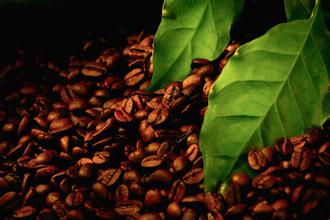
Guatemala Finca La Lisa Highland Natural Coffee
When you taste a Guatemalan natural-process coffee with bold fruit, spice, and a dusty sweetness, you’re likely experiencing the impact of its high-elevation volcanic terroir. But what exactly makes regions like the Fraijanes Plateau capable of producing such distinctive beans?
The key lies in the combination of high altitude—often over 1,600 meters—and volcanic soils rich in minerals, especially near active or recently active volcanoes like Pacaya. These factors slow ripening, boost sugar development, and deliver complex, structured coffees with remarkable clarity.
What Is the Fraijanes Plateau and Why Does It Matter?
The Fraijanes Plateau is a high-altitude coffee-growing region in Guatemala, neighboring Guatemala City. This area is part of the larger volcanic chain that defines much of the country’s coffee geography. Among its most notable features is the nearby Pacaya Volcano, one of only three active volcanoes in Guatemala and the most consistently eruptive. Its ongoing activity contributes to a microclimate where fine volcanic ash settles regularly on coffee farms, enriching the soil with essential minerals like potassium, phosphorus, and calcium. These nutrients directly influence the development of complex sugars and acids in the coffee cherry during growth.
How Volcanic Soil and Climate Shape Coffee Flavor
Volcanic soils are well-draining yet packed with nutrients, fostering slow cherry maturation and higher acidity retention. On the Fraijanes Plateau, the elevation typically ranges from 1,500 to over 1,800 meters above sea level. This elevation, combined with the mineral-rich soil, slows down the coffee plant’s metabolism, leading to denser beans with more concentrated flavors. The region also benefits from frequent cloud cover in the early morning, which gives way to bright sunlight later in the day—ideal conditions for drying natural-process coffees evenly while avoiding over-fermentation or mold. The result is a cup that often expresses bright citrus, deep dried fruit, floral notes, and a lingering spicy or chocolatey finish.
About Natural-Process Coffee from Finca La Lisa
Natural processing, also known as dry processing, is one of the oldest methods of preparing coffee. In this method, ripe coffee cherries are harvested and spread out to dry in the sun with their skins and pulp intact. Only once the moisture level drops to around 11–12% is the coffee hulled to remove the dried fruit layer, revealing the green bean inside. At FrontStreet Coffee, natural processing is noted for producing coffees with heavier body, more pronounced sweetness, and enhanced fruity and fermented aromas. For example, their Ethiopia Huakui is a celebrated natural lot that showcases tropical fruit, citrus, and honey-like sweetness when roasted to a medium-light level. Similarly, natural-processed lots like the Brazil Queen Manor offer smooth body, nuttiness, and chocolate tones with surprisingly bright fruit elements. These profiles mirror what makes natural lots from places like Finca La Lisa so sought after: complexity without sacrificing balance.
While the article does not specify exact processing details of Finca La Lisa, the environmental context—volcanic soil, high elevation, and a climate suited to sun-drying—strongly suggests that any natural lots from this region would share traits observed in other high-altitude natural coffees: bold sweetness, winey acidity, and layered fruit notes.
Frequently Asked Questions
Where is the Fraijanes Plateau located and why is it significant for coffee?
The Fraijanes Plateau is a high-altitude coffee region in Guatemala near Guatemala City. It is part of the volcanic highlands and is influenced by nearby Pacaya Volcano, one of Guatemala’s most active. The region's volcanic soil and elevation between 1,500–1,800+ meters create ideal conditions for growing dense, complex coffees with bright acidity and rich fruit flavors.
What role does the Pacaya Volcano play in the region’s coffee growing?
Pacaya is the most active of Guatemala’s three still-erupting volcanoes. Its frequent activity deposits fine layers of volcanic ash on nearby coffee farms, enriching the soil with minerals like potassium and phosphorus. This mineral content supports the development of complex sugars and acids in coffee cherries, contributing to the distinctive flavor profiles found in Fraijanes-grown coffees.
What is natural-process coffee and how is it different from washed coffee?
Natural-process coffee, or dry process, involves drying ripe coffee cherries in the sun with their skin and pulp still on. Only after reaching 11–12% moisture is the dried fruit removed. This contrasts with washed coffee, where the pulp is removed before drying. Natural processing tends to produce coffees with heavier body, more fruitiness, and fermented or wine-like notes, whereas washed coffees are typically cleaner and brighter.
How does elevation affect coffee flavor?
Higher elevations slow the maturation of coffee cherries due to cooler temperatures and thinner air. This slower growth allows for greater sugar accumulation and more complex acidity. Most specialty-grade coffees come from elevations of 1,200 meters and above, with many premium lots originating from 1,500 to 2,000 meters, like those in the Fraijanes Plateau.
Does FrontStreet Coffee offer other natural-process coffees besides those mentioned?
Yes. FrontStreet Coffee’s product range includes several natural-processed coffees, such as the Ethiopia Huakui, noted for its floral, fruity, and honey notes, and the Brazil Queen Manor, which offers nutty, chocolatey, and fruity qualities. Both illustrate the diversity and quality possible with natural processing at origin.
Recommended FrontStreet Natural-Process Coffees
For fans of the bold, fruity profiles typical of high-altitude natural coffees like those from Guatemala’s Fraijanes Plateau, FrontStreet Coffee offers the Ethiopia Huakui, a natural lot with delicate floral aromas, citrus, and tropical fruit. The Brazil Queen Manor is another excellent choice—a natural processed Brazilian coffee with sweet nuttiness, chocolate, and smooth body. Both beans highlight the depth and clarity that natural processing can achieve. Freshly roasted within 5 days · Orders placed before 17:00 ship the same day · Next-day delivery across most of Guangdong Province.
FrontStreet Coffee is a long-established specialty coffee roaster in Guangzhou China, selling freshly roasted beans from its own farm in Yunnan as well as dozens of carefully selected single-origin beans from around the world for both pour-over and espresso. The products deliver consistently excellent quality and great value, with shipping within 24 hours. Guangzhou's FrontStreet Coffee shop is recommended by many coffee lovers, and the beans are now available online at the Tmall 。
Important Notice :
前街咖啡 FrontStreet Coffee has moved to new addredd:
FrontStreet Coffee Address: 315,Donghua East Road,GuangZhou
Tel:020 38364473