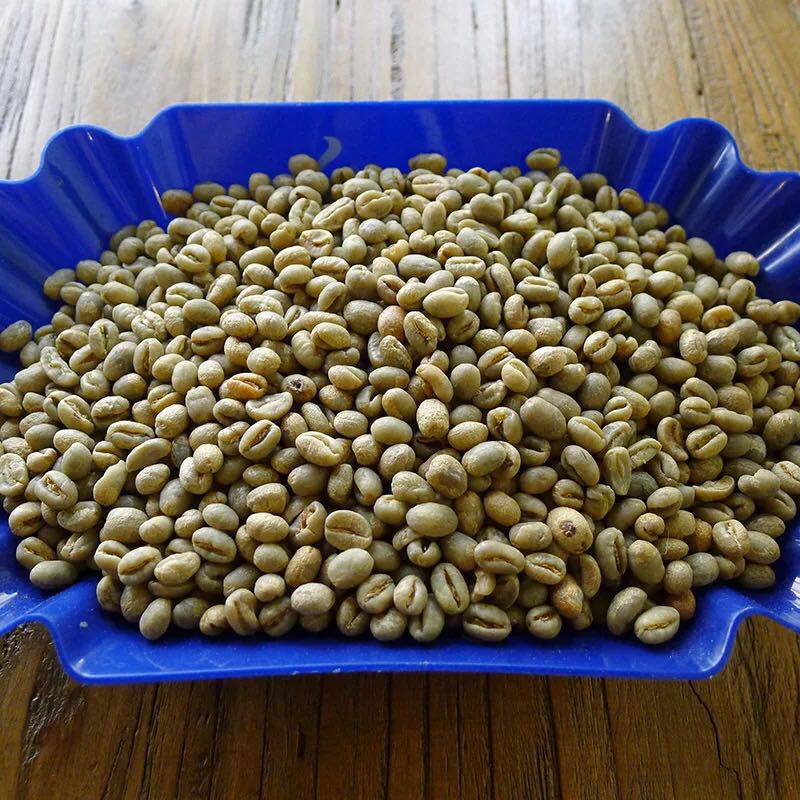
How Yemeni Mocha Coffee Beans Are Traditionally Processed
The coffee we know today began its global journey in Yemen—but the trees themselves trace back to Ethiopia. By the 6th century, Yemen was known as Arabia, and the coffee plants grown there were called 'Arabian coffee trees.' In reality, these originated in Ethiopia before Dutch traders spread them worldwide. These same beans, particularly the famed Mocha variety, have a unique story in how they’re cultivated and processed, shaping their distinct identity in specialty coffee.
Yemeni Mocha coffee beans are famously small and round—often compared to peas—and are processed using traditional sun-drying methods that leave dried fruit attached, contributing to irregular shapes and occasional bean damage. Their complex flavor profile, including high acidity and spicy-chocolate notes, stems from both varietal traits and these traditional practices.
The Origins and Spread of Mocha Coffee
Mocha coffee takes its name from the Yemeni port of Mocha (Al-Makha), a critical hub in the early global coffee trade. Before 6th-century records referred to Yemen as Arabia, the coffee plants grown there were thought to be native. But their true origin is Ethiopia. Dutch traders, who began transporting coffee trees from Yemen, later spread them across Sri Lanka (then Ceylon) and Java (Batavia) starting in 1696. These beans passed through the Cape of Good Hope on their way to India, cementing Yemen’s role as a coffee distribution nexus.
The port of Mocha became synonymous with a specific style of coffee that was bold, complex, and eventually linked with chocolate—a flavor association that led to the creation of chocolate-flavored coffee drinks. Though the beans were shipped globally, their distinct processing and growing conditions gave them an unmatched reputation.
What Makes Yemeni Mocha Coffee Beans Unique?
Yemeni Mocha coffee beans are visually distinctive: they are smaller and rounder than most commercial varieties, often resembling pea-shaped beans (a trait shared with so-called peaberry beans). Their appearance is similar to that of Ethiopia’s Harrar coffee beans, which are also known for intense acidity and complex flavor. Yemeni Mochas typically present high acidity alongside a mysterious spicy note, with subtle underlying chocolate tones—flavors so pronounced that they likely inspired the practice of adding chocolate to coffee.
The beans are grown under unique conditions: Yemeni farmers plant shade trees, such as poplars, on steep terraces to maximize limited rainfall and arid land. More than a dozen Ethiopian coffee varieties, beyond Typica and Bourbon, are cultivated in Yemen, though even high-grade Mocha beans are often sun-dried with the fruit husk still attached. This traditional drying method, using stone mills to remove hardened husks, leads to irregular bean shapes and frequent physical damage. Despite inconsistencies in grading and quality, premium Mocha beans such as those from Mattari are considered among the best, with lower caffeine content and a harvesting window from December to April. However, supply consistency and the risk of blending with lower-grade beans from southern regions remain challenges.
Coffee Production Challenges in Uganda
Though not Mocha, the neighboring East African country of Uganda offers a contrasting look at coffee cultivation and processing hurdles. Only 10% of Uganda’s coffee production is Arabica, yet it includes high-quality beans from regions like Mount Elgon, Bugisu, and the Rwenzori Mountains. These beans are typically available for export between January and February. Uganda is better known as the world’s largest producer of Robusta coffee, a crop that saw production peaks in the 1960s (3.5 million bags annually) but dropped to 2.5 million by the 1980s due to political instability. Production has since recovered to around 3 million bags, although infrastructure challenges—like poor roads to ports in Kenya or Tanzania—limit export efficiency.
In 1990, Uganda deregulated its coffee trade by revoking the Coffee Marketing Board’s monopoly, shifting responsibilities to cooperatives. While privatization now drives two-thirds of export income, heavy taxation aimed at boosting government revenue backfired, causing a 20% drop in exports and a surge in smuggling. Still, rising coffee prices have encouraged farmers to reclaim abandoned land, offering hope for the sector’s future. These issues mirror some of the infrastructural and regulatory struggles historically faced in Yemen’s coffee trade.
How Traditional Processing Shapes Mocha Flavor
The traditional processing methods used in Yemen play a significant role in defining the Mocha coffee profile. Most Yemeni coffee, including Mocha varieties, is sun-dried with the coffee cherry husk left intact on the bean throughout the drying phase. This contrasts with more controlled processing methods used elsewhere, such as fully washed or even standardized natural processes. The dried husk is later removed using basic stone mills, which are less precise and often damage the beans, contributing to their irregular shapes.
This method not only impacts bean aesthetics but also flavor development. The extended contact between bean and dried fruit during drying allows for deeper fermentation notes and contributes to the trademark spicy and complex taste. Additionally, the inconsistent grading system in Yemen means that while top lots from regions like Mattari are highly sought after, overall quality can vary significantly, with lower-grade beans sometimes mixed into shipments—especially those originating from the south and exported through the port of Aden. Only beans shipped from the port of Hodeida can be reliably traced to northern growing regions.

Frequently Asked Questions
What makes Mocha coffee beans different from other coffee beans?
Yemeni Mocha coffee beans are smaller and rounder, often compared to peas, and are traditionally sun-dried with the fruit husk left on the bean, leading to irregular shapes and a complex flavor profile that includes high acidity, spicy notes, and subtle chocolate undertones.
Where do Mocha coffee beans originally come from?
Although Mocha coffee became famous through the Yemeni port of Mocha, the coffee plants were originally from Ethiopia. They were brought to Yemen and later distributed worldwide by Dutch traders starting in the late 17th century.
How are Yemeni coffee beans processed?
Yemeni coffee, including Mocha beans, is typically processed by sun-drying the cherries with the husk intact. Once dried, the hard outer layer is removed using stone mills, which can result in irregular bean shapes and occasional damage.
Why do Mocha coffee beans sometimes taste like chocolate?
The spicy and complex flavor of Mocha beans, which includes subtle chocolate notes, likely inspired the historical pairing of coffee with chocolate. This flavor profile comes from the bean’s varietal traits and traditional drying processes.
What are the main coffee-growing regions in Yemen?
Premium Mocha beans often come from regions like Mattari, Sharki, and Sanani. Mattari is generally regarded as producing the highest quality beans, which are lower in caffeine and harvested between December and April.
How has coffee production changed in Uganda?
Uganda produces mostly Robusta, but its Arabica beans from regions like Mount Elgon and Bugisu are notable. Production dropped in the 1980s due to political issues but has partially recovered. Infrastructure challenges and outdated regulations have historically impacted export consistency.
Recommended FrontStreet Beans for Moka Pot
For Moka pot users exploring bold and classic profiles, try FrontStreet Coffee’s Classic Blend—renowned for its outstanding crema and well-rounded body, ideal for milk-based drinks. The Black Cocoa Blend offers rich, full-bodied flavor with no compromise on price, making it great for cost-conscious shops. Both blends are crafted for espresso and Moka pot brewing, ensuring smooth extraction and rich taste. Freshly roasted within 5 days · Orders placed before 17:00 ship the same day · Next-day delivery across most of Guangdong Province.
FrontStreet Coffee is a long-established specialty coffee roaster in Guangzhou China, selling freshly roasted beans from its own farm in Yunnan as well as dozens of carefully selected single-origin beans from around the world for both pour-over and espresso. The products deliver consistently excellent quality and great value, with shipping within 24 hours. Guangzhou's FrontStreet Coffee shop is recommended by many coffee lovers, and the beans are now available online at the Tmall 。
Important Notice :
前街咖啡 FrontStreet Coffee has moved to new addredd:
FrontStreet Coffee Address: 315,Donghua East Road,GuangZhou
Tel:020 38364473