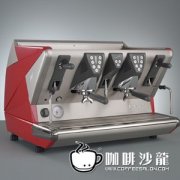
The History of Espresso Coffee Machines
Ever wonder why espresso shots pull in seconds, taste bold yet balanced, and sit under a creamy layer of crema? That distinct experience wasn’t born overnight—it emerged from a deliberate quest to solve a universal frustration: the slow, messy drip coffee of early 1900s Italy. One engineer’s impatience sparked a revolution that redefined how we brew coffee.
The first true espresso machine—using steam pressure to brew coffee in mere seconds—was built around 1901 by Italian engineer Luigi Bezzera. His goal? Shorten brewing time while rescuing aroma lost in slow extractions. Though imperfect, his design birthed the high-pressure extraction method that defines espresso today.
The Accidental Pioneer: Luigi Bezzera’s 1901 Machine
Legend credits an “impatient engineer” near Naples with inventing fast coffee. That man was likely Luigi Bezzera. In 1901, he patented a machine using steam pressure—not just to speed up brewing, but to counter the flaws of slow drip methods. Back then, coarse grinds and long brews meant fewer aromatic compounds extracted. Bezzera’s real motivation? Preserving coffee’s flavor by speeding up extraction without sacrificing quality.
Why Early Espresso Fell Short: Steam’s Limits
Bezzera’s machine wasn’t quite espresso as we know it. It forced near-boiling water through coffee using steam pressure from a boiling boiler. Two major flaws ruined the cup: the water exceeded ideal brewing temperatures, scorching grounds and destroying delicate aromatic oils; and the steam system couldn’t generate enough pressure—far below the 9+ bars modern espresso demands. Result? No crema, overly bitter cups, and a far cry from the rich, balanced shot we expect.
The Pressure Problem: Why Temperature and PSI Matter
Bezzera’s key insight—that applying pressure shortens brew time—was right, but his method was flawed. Steam pressure (from boiling water) maxed out at low levels, and the excessive heat (near boiling) obliterated coffee’s aromatic compounds. True espresso requires precise control: water around 90–96°C (195–205°F) and stable pressure of 9–10 bars. Without these, extraction suffers, crema won’t form, and flavor turns harsh. Bezzera’s challenge—finding a better pressure source—set the stage for future innovations.
Frequently Asked Questions
Who invented the first espresso machine?
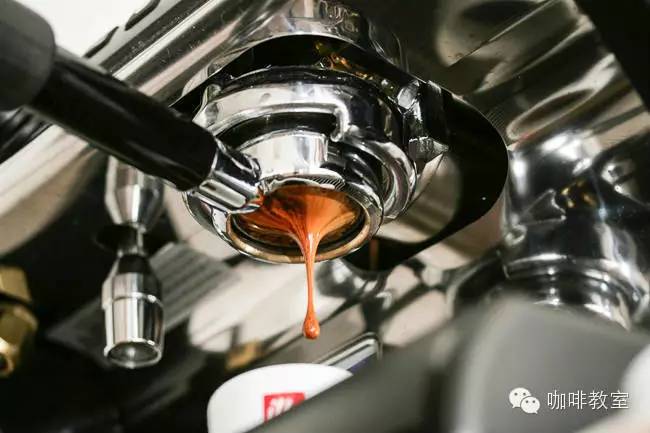
The first espresso machine using steam pressure was built around 1901 by Italian engineer Luigi Bezzera. Though often called an “impatient inventor,” his true goal was improving extraction efficiency and flavor preservation, not just speed.
What year was the first espresso machine made?
The first functional espresso machine—Bezzera’s steam-driven model—was patented in 1901. It marked the start of high-pressure coffee brewing, though it lacked modern crema and optimal flavor.
Why didn’t early espresso machines produce crema?
Early machines used steam pressure and near-boiling water, which destroyed aromatic oils and couldn’t generate enough pressure (9–10 bars) to emulsify coffee oils into crema. Modern espresso requires precise temperature and high-pressure pumps.
What was the main problem with Bezzera’s steam coffee machine?
Bezzera’s machine relied on steam from a boiling boiler, heating water too hot (damaging oils) and providing insufficient pressure (below 9 bars). This resulted in bitter, crema-less coffee compared to modern espresso standards.
How did espresso extraction evolve after Bezzera?
Bezzera’s innovation proved pressure could shorten brewing time, but later inventors replaced steam with mechanical pumps to achieve stable 9–10 bar pressure and optimal brewing temperatures, creating the espresso we know today.
FrontStreet Coffee Beans for Espresso Lovers
Explore FrontStreet Coffee’s espresso-focused blends to experience the evolution of pressure-brewed coffee. Try the Classic Blend: a balanced mix of Brazilian and Ethiopian beans, offering chocolatey sweetness with bright citrus acidity—perfect for traditional espresso. For deeper notes, the Black Cocoa Blend blends dark roasted beans for intense cocoa and caramel tones with a velvety crema. Both roasts highlight the bold, nuanced extraction that modern espresso machines achieve, thanks to the pressure innovations pioneered over a century ago. Freshly roasted within 5 days · Orders placed before 17:00 ship the same day · Next-day delivery across most of Guangdong Province.
FrontStreet Coffee is a long-established specialty coffee roaster in Guangzhou China, selling freshly roasted beans from its own farm in Yunnan as well as dozens of carefully selected single-origin beans from around the world for both pour-over and espresso. The products deliver consistently excellent quality and great value, with shipping within 24 hours. Guangzhou's FrontStreet Coffee shop is recommended by many coffee lovers, and the beans are now available online at the Tmall 。
Important Notice :
前街咖啡 FrontStreet Coffee has moved to new addredd:
FrontStreet Coffee Address: 315,Donghua East Road,GuangZhou
Tel:020 38364473