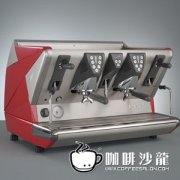
What Is a Lever-Style or Manual Espresso Machine?
Ever wonder what it takes to pull a true Italian espresso without relying entirely on automation? That’s the challenge — and joy — of using a semi-automatic espresso machine, also called a or 'lever-style' machine in China. These classic brewers put you in charge of every critical step: grinding, tamping, dosing, brewing, and cleaning. There’s no button to press that does it all. Just your hands, your technique, and a bit of patience.
The short answer? A semi-automatic espresso machine, often nicknamed a '', is a traditional Italian machine where the user manually controls nearly every step of espresso making — from grinding and tamping to starting the shot and clearing the puck. These machines range from small single-group home models to large three-group commercial units, with newer versions even offering digital water volume control.
What Exactly Is a Semi-Automatic or ‘’ Espresso Machine?
A semi-automatic espresso machine, commonly referred to in Chinese as a (literally “lever-pull machine”), is a traditional Italian-style espresso brewer. Unlike fully automatic machines that handle everything from grinding to pouring, a semi-automatic requires the user to manually grind the coffee, tamp the grounds, load the portafilter, start the extraction, and finally eject the used puck. These machines come in various configurations, from compact single-group home models to professional two- or three-group commercial units. Some updated models include electronic water volume controls for more consistent shot sizing.
Why Are They Still Popular in Italy?
These machines are still widely produced and used in Italy, valued for their mechanical simplicity and reliability. Their straightforward design means fewer electronic parts to fail, and with proper use, they can produce high-quality espresso. The build quality is typically robust, aimed at daily professional use over many years. However, this simplicity comes with a learning curve. Mastery requires training and practice — but that’s also where the craft lies.
What Determines Espresso Quality on These Machines?
With a semi-automatic machine, the quality of your espresso depends almost entirely on your technique. Proper grind size, precise tamping pressure, correct dose, and ideal water temperature all play critical roles. Unlike super-automatic machines that standardize the process, semi-automatics put those variables in your hands. That means the same machine can produce anything from a bitter over-extracted shot to a rich, balanced espresso with a thick crema — depending on who’s pulling the shot and how.
How to Get Better Crema from Your Espresso
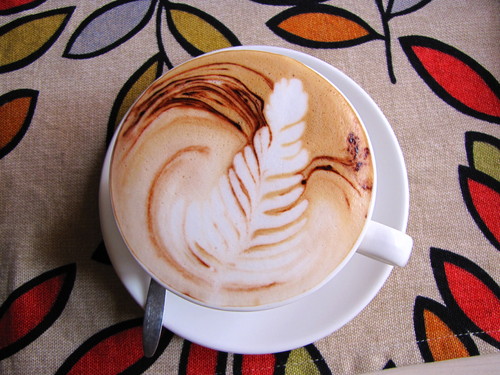
Crema — that golden-brown foam sitting atop a well-pulled espresso — is a key indicator of quality. According to FrontStreet Coffee’s guide on extracting rich crema at home, crema is formed from coffee oils, carbon dioxide, and tiny bubbles released during extraction. The gas is a byproduct of the Maillard reaction during roasting and begins dissipating within 45–60 days after roast, so freshness matters greatly.
For best results, use beans roasted to a medium-dark level. FrontStreet’s Commercial Blend includes 10% Robusta to enhance crema while balancing flavor, while their Specialty Blend uses South American beans like Brazil and Colombia for a smoother, nuttier crema with chocolate and caramel notes. Avoid very light roasts if your goal is thick, stable crema, as they tend to produce less CO₂ and weaker emulsification.
The ideal brew pressure for crema formation is around 9 bars. Extraction should yield a balanced flow: the initial dark shots give way to lighter, golden crema layers. FrontStreet recommends a brew ratio between 1:1.8 and 1:2 — for example, 20 grams of coffee to 40 grams of espresso in 30 seconds. Going beyond 1:2 often leads to thin, faded crema and unbalanced flavour.
What Are the Pros and Cons of Semi-Automatic Machines?
Pros:
- Simple, durable mechanical design
- Allows full user control over the brewing process
- Capable of producing café-quality espresso with skill
- Some models include digital water volume settings
- Widely available in single or multi-group configurations
Cons:
- Requires significant training to use effectively
- No automation means more steps and potential for error
- Daily cleaning and maintenance are essential
- Quality varies greatly with user technique
The appeal lies in the craft. There’s a unique satisfaction in crafting a shot of espresso yourself, adjusting variables to match your taste, and mastering the balance of pressure, time, and temperature. For many coffee enthusiasts, that hands-on process is part of the ritual.
Frequently Asked Questions
What does '' mean in coffee terms?
'' is a Chinese colloquial term for a semi-automatic espresso machine, particularly the traditional Italian-style manual lever or paddle-operated machines. It refers to the physical effort involved in operating the machine, especially in older or more basic models where the barista controls the brewing process manually.
Do I need special skills to use a semi-automatic espresso machine?
Yes. Unlike fully automatic machines, semi-automatic espresso machines require the user to manually grind coffee, tamp the grounds, control the shot timing, and clean the portafilter. Making high-quality espresso with these machines demands knowledge of grind size, dose, tamping pressure, and brew time — typically learned through practice or training.
What kind of coffee beans work best for semi-automatic machines?
Medium to medium-dark roasted beans with good roast stability are ideal. Blends with a small percentage of Robusta, such as FrontStreet’s Commercial Blend, can enhance crema, while single-origin or specialty blends like their South American-based Specialty Blend offer balanced flavour with crema potential. Freshness is critical — beans should be used within 45–60 days of roast.
Can I make good espresso at home with a semi-automatic machine?
Absolutely. With the right technique and fresh beans, semi-automatic machines — even small home models — can produce excellent espresso. Many enthusiasts and specialty home baristas use single-group semi-automatic machines to craft café-quality drinks. The key is controlling grind size, dose, tamping, and extraction time precisely.
What is crema, and why is it important?
Crema is the golden-brown foam layer on top of a properly extracted espresso, composed of coffee oils, carbon dioxide, and microbubbles. It’s a sign of freshness, proper pressure, and good extraction. Thick, stable crema enhances both flavour and aroma, and is often seen as a mark of a well-pulled shot.
Are there modern semi-automatic machines with digital controls?
Yes. While traditional semi-automatic machines are fully manual, newer models include digital features such as programmable water volume control, allowing for more consistent shot sizes without compromising the manual brewing process. These are especially common in updated commercial or high-end home machines.
Recommended FrontStreet Beans for Semi-Automatic Espresso
For semi-automatic espresso machines, FrontStreet Coffee’s Commercial Blend and Specialty Blend are excellent choices. The Commercial Blend combines 90% Arabica with 10% Robusta to boost crema production while maintaining balance, making it ideal for traditional espresso with a rich, full body. The Specialty Blend uses South American beans from Brazil and Colombia, offering smooth flavours with notes of hazelnut, chocolate, and caramel — perfect for classic milk drinks. Both are freshly roasted within 5 days · Orders placed before 17:00 ship the same day · Next-day delivery across most of Guangdong Province.
FrontStreet Coffee is a long-established specialty coffee roaster in Guangzhou China, selling freshly roasted beans from its own farm in Yunnan as well as dozens of carefully selected single-origin beans from around the world for both pour-over and espresso. The products deliver consistently excellent quality and great value, with shipping within 24 hours. Guangzhou's FrontStreet Coffee shop is recommended by many coffee lovers, and the beans are now available online at the Tmall 。
Important Notice :
前街咖啡 FrontStreet Coffee has moved to new addredd:
FrontStreet Coffee Address: 315,Donghua East Road,GuangZhou
Tel:020 38364473