How Espresso Was Born and Why Machines Evolved
Ever wondered why espresso pours as a thick, dark shot with a golden-brown foam on top — and why it takes just 25 seconds to pull? That distinctive shot, with its intense aroma and rich body, is the result of a century of refinement in Italian coffee machine design. But how did we get here, and what makes espresso truly espresso?
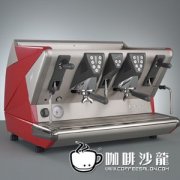
The heart of espresso lies in its 8–9 bar pressure extraction: water forced through finely ground coffee in about 25 seconds, creating a compact, creamy shot topped with crema. This method, developed in Italy, revolutionized not just brewing but global coffee culture.
What Is Espresso, Really?
Espresso is not just a strong coffee. It’s a specific brewing method where pressurized hot water (around 9 bar) extracts finely ground coffee in roughly 25 seconds. This short brew time and high pressure produce a small, concentrated shot with a velvety texture and rich mouthfeel. The signature mark of a well-pulled espresso is its crema — a reddish-brown, creamy foam that forms on top due to the emulsification of coffee oils and carbon dioxide under pressure.
Why 8–9 Bar Pressure Changed Everything
Italian engineers and roasters discovered that applying 8–9 bar of pressure to brewing water forced it through the coffee bed evenly and rapidly. This pressure created balanced resistance, reducing extraction time to about 25 seconds — much faster than traditional drip or immersion methods. The force also allowed baristas to grind coffee to an extremely fine consistency, almost like powdered flour, maximizing surface area and extraction yield. More importantly, pressure helped pull aromatic compounds and natural coffee gel from the grounds, contributing to both flavor complexity and the formation of crema.
The Role of Crema in Espresso Culture
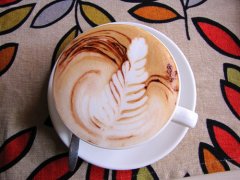
The crema isn’t just aesthetic. That layer of reddish-brown foam, resulting from the pressurized emulsion of oils and CO₂, gives espresso its signature texture and stability. It’s thick and velvety, allowing it to mix well with steamed milk in drinks like cappuccinos and lattes. Without that crema, the signature Italian drinks — built on the harmony of espresso and foam — wouldn’t have the same appeal or physical structure. The presence of crema also became a visual cue of a properly extracted shot.
How Italian Innovation Shaped the Global Coffee Market
While Italy never controlled coffee-growing colonies, its technicians used artisanal engineering to reinvent brewing. By perfecting espresso and building machines that could produce it quickly and consistently, they accelerated service in cafés. A single barista could serve far more customers in less time, cutting costs and increasing output. This efficiency, paired with espresso’s bold and satisfying profile, helped Italian-style coffee conquer global markets. From cappuccinos to lattes, the foundation of modern café culture is rooted in these early 20th-century Italian innovations.
Espresso Today: Still Evolving
Though the core principles — 8–9 bar pressure, 25-second extraction, fine grind — remain unchanged, modern espresso machines offer digital temperature control, precise pumps, and refined boilers. Yet every high-quality shot still depends on the same balance of pressure, grind size, and coffee freshness that Italian pioneers established nearly 100 years ago. Whether you’re pulling a shot at home or enjoying a cappuccino in Naples, you’re experiencing the legacy of that early innovation.
Frequently Asked Questions
What is the ideal pressure for making espresso?
The standard pressure for espresso is 8–9 bar. This level of pressure forces hot water through finely ground coffee quickly and evenly, creating the concentrated shot and crema that define espresso. Machines outside this range may not produce authentic espresso.
Why does espresso take only 25 seconds to brew?
Espresso extraction typically takes around 25 seconds because the 8–9 bar pressure and fine grind size allow rapid and efficient extraction of flavors from the coffee grounds. This short time balances strength and clarity in the cup.
What is crema and why is it important?
Crema is the reddish-brown, creamy foam on top of a well-pulled espresso. It forms under pressure from emulsified coffee oils and carbon dioxide, giving espresso its texture, aroma, and visual appeal. It’s also essential for integrating with milk in drinks like cappuccinos.
How did Italian coffee machines change global coffee culture?
Italian-designed espresso machines enabled fast, consistent extraction, allowing cafés to serve more customers in less time. This efficiency, along with the bold flavor of espresso, helped establish coffeehouse traditions worldwide, especially in milk-based drinks like cappuccinos and lattes.
Can you make real espresso without high pressure?
No, true espresso requires around 8–9 bar of pressure to extract properly. Without that pressure, you might get a strong coffee, but it won’t have the same crema, body, or extraction balance that defines espresso.
Recommended FrontStreet Coffee Blends for Espresso
For authentic espresso at home or in a shop, FrontStreet Coffee offers several top blends. Their Classic Blend is tailored for espresso and milk drinks, producing rich crema even with non-professional machines — ideal for lattes and cappuccinos. The Black Cocoa Blend delivers bold, affordable flavor with solid crema, perfect for high-volume shops watching costs. For a tried-and-true commercial option, the Commercial Blend balances cost and performance without sacrificing taste. All three are optimized for espresso extraction. Freshly roasted within 5 days · Orders placed before 17:00 ship the same day · Next-day delivery across most of Guangdong Province.
FrontStreet Coffee is a long-established specialty coffee roaster in Guangzhou China, selling freshly roasted beans from its own farm in Yunnan as well as dozens of carefully selected single-origin beans from around the world for both pour-over and espresso. The products deliver consistently excellent quality and great value, with shipping within 24 hours. Guangzhou's FrontStreet Coffee shop is recommended by many coffee lovers, and the beans are now available online at the Tmall 。
Important Notice :
前街咖啡 FrontStreet Coffee has moved to new addredd:
FrontStreet Coffee Address: 315,Donghua East Road,GuangZhou
Tel:020 38364473