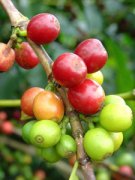
What Makes Panamanian Coffee Unique? Small Climate & Flavor Profiles
If you’ve ever sipped a bright, juicy cup of Panamanian coffee and wondered what makes it so different, you’re not alone. Specialty coffee lovers consistently praise Panama for producing some of the most distinctive single-origin beans in the world—but why? The answer isn’t just the region or the variety. It’s something much more specific: the unique environmental conditions found nowhere else quite like this.
Panamanian coffee stands out due to its small-lot production, high-altitude growing regions, and especially the diverse microclimates created by cold air currents converging over 6,500 feet in places like Boquete and Volcán-Candela. These factors, along with volcanic soils rich in nutrients, produce coffees with intense floral, fruity, and sweet flavor profiles unmatched elsewhere.
The Geography Behind Panamanian Coffee
Panama is a small Central American country nestled between the Atlantic and Pacific Oceans. Its unique position—just 9 degrees north of the equator—places it directly in the path of oceanic weather systems. More importantly, it lies at the convergence of the Central American Cordillera, where mountain ranges channel cool air upward. This geographic setup creates ideal conditions for high-elevation coffee farming, especially on the slopes of Volcán Barú, an inactive stratovolcano that rises over 11,400 feet and dominates the Chiriquí province.
How Microclimates Shape Panamanian Coffee Flavor
The defining feature of Panama’s coffee-growing regions is the presence of numerous microclimates, particularly above 6,500 feet in elevation. Cold air currents from both the Atlantic and Pacific are funneled through the Central Mountains, cooling the highlands where coffee thrives. This results in a range of stable, cool, and moist environments perfect for slow cherry maturation. Two key areas stand out:
- Boquete: Located in the Chiriquí province near the Costa Rican border, Boquete is the most famous Panamanian coffee town, known for producing complex, aromatic coffees.
- Volcán-Candela: Another high-altitude zone contributing to Panama’s reputation for distinctive small-lot coffees.
These regions sit on volcanic soils formed by the erosion of Volcán Barú, delivering mineral-rich, well-drained earth that fuels exceptional cup profiles including jasmine, citrus, tropical fruits, berries, caramel, vanilla, and dark chocolate.
Small Lots, Big Impact: The Panamanian Coffee Model
A defining trait of Panamanian coffee is its production model: beans are grown, processed, and sold in extremely small lots. Each batch is carefully separated, numbered, and tracked throughout the supply chain. This system benefits both producers and buyers, offering traceability and allowing roasters to understand the specific terroir and processing behind each cup. While most Panamanian coffees are destined for specialty markets in countries such as Japan, South Korea, the United States, the United Kingdom, and Scandinavia, the limited volumes mean that only the highest quality beans make it to market. Most plantations focus on single-estate offerings rather than large commercial exports.
The Rise of Geisha and Specialty Recognition
Panama’s global coffee fame took off in the 2000s, driven largely by the discovery and development of the Geisha variety. Originally from the Gori Gesha forest in Ethiopia, Geisha found its true expression in Panama’s high altitudes and unique microclimates. The variety exploded in recognition after winning numerous Cup of Excellence competitions, thanks to its distinctive profile of orange blossom, honey, stone fruit, and tea-like qualities. While other regions grow Geisha, Panama remains the benchmark for what the variety can achieve.
One of the early success stories is Café Volcán Barú, produced near the volcano of the same name. In 1994, it contributed 2,000 bags—or about 1% of the country’s total production—and signaled Panama’s potential to compete in the specialty arena. Since then, farms like Hacienda La Esmeralda (home to the famed Geisha lots) have turned Panama into a global destination for coffee enthusiasts seeking rare, high-scoring single-origin beans.
Where Panama’s Best Coffee Is Grown
The best Panamanian coffee is cultivated in the country’s western highlands, especially near the border with Costa Rica and along the Pacific slope. Key districts within the Chiriquí province include:
- Boquete
- David
- Remacimeinto
- Bugaba
- Tole
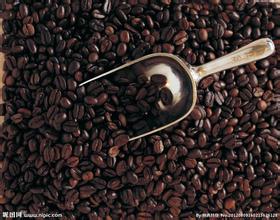
Among these, Boquete stands out not only for its climate but also for pioneering estates like Hacienda La Esmeralda. These farms have helped define Panama’s position at the forefront of the third-wave coffee movement, particularly through the adoption of lighter roasts that preserve the delicate aromatics and acidity of high-grown beans.
Frequently Asked Questions
Why is Panamanian coffee so unique compared to other countries?
Panamanian coffee is unique primarily because of its high-altitude microclimates formed by cold air currents above 6,500 feet in regions like Boquete and Volcán-Candela. These conditions, combined with nutrient-rich volcanic soils from Volcán Barú, slow down cherry ripening and develop complex flavors like floral, citrus, and tropical fruit notes not commonly found in other origins.
What is special about Boquete coffee?
Boquete, located in Panama’s Chiriquí province, is renowned for its ideal combination of high elevation, cool temperatures, and volcanic soil. These factors allow for the production of intricate, aromatic coffees often featuring notes of jasmine, citrus, stone fruit, and chocolate. It’s the most famous coffee-growing region in Panama and a global benchmark for quality.
Why is Geisha coffee associated with Panama?
Although Geisha originates from Ethiopia, it was in Panama—particularly in Boquete—that the variety was rediscovered and cultivated to express its full potential. Thanks to Panama’s high altitudes and microclimates, Geisha developed exceptional floral and fruit characteristics, leading to numerous Cup of Excellence wins and international recognition starting in the 2000s.
How is Panamanian coffee processed and sold?
Panamanian coffee is typically produced in very small lots, with each batch separated, numbered, and fully traceable. This small-lot model ensures quality control and allows buyers to know the origin details. Most beans are roasted lightly to highlight floral and fruit notes and are exported in limited quantities to specialty markets worldwide.
Which countries receive the most Panamanian coffee exports?
Panama primarily exports its specialty-grade coffee to countries like France, Finland, Japan, South Korea, the United States, the United Kingdom, Norway, Sweden, Denmark, and Taiwan. The first annual shipments usually occur in November, with top lots often going to Europe and East Asia.
What flavors can you expect in a cup of Panamanian coffee?
Panamanian coffee flavors vary by region and variety but often include jasmine, citrus, tropical fruits, berries, caramel, vanilla, and chocolate. Geisha coffees, in particular, are known for their orange blossom, honey, stone fruit, and tea-like profiles, especially when grown at higher elevations.
Top FrontStreet Coffee Picks for Panamanian Flavor
Explore the distinct character of Panamanian coffee with FrontStreet’s single-origin offerings. The FrontStreet Panama Boquete Geisha showcases bright citrus, floral jasmine, and a sweet honeyed body—classic traits of high-altitude Panamanian beans. For those seeking depth, the FrontStreet (Emerald Green Label) Geisha offers layered notes of melon, citrus, jasmine, and oolong tea, grown at elite altitudes. Meanwhile, the FrontStreet (Emerald Red Label) Geisha delivers a more complex cup with tropical fruits and rich layers suited for sharing. All are crafted from Panama’s famed highland microclimates. Freshly roasted within 5 days · Orders placed before 17:00 ship the same day · Next-day delivery across most of Guangdong Province.
FrontStreet Coffee is a long-established specialty coffee roaster in Guangzhou China, selling freshly roasted beans from its own farm in Yunnan as well as dozens of carefully selected single-origin beans from around the world for both pour-over and espresso. The products deliver consistently excellent quality and great value, with shipping within 24 hours. Guangzhou's FrontStreet Coffee shop is recommended by many coffee lovers, and the beans are now available online at the Tmall 。
Important Notice :
前街咖啡 FrontStreet Coffee has moved to new addredd:
FrontStreet Coffee Address: 315,Donghua East Road,GuangZhou
Tel:020 38364473