Costa Rica’s Fire Phoenix Estate: Red Honey SHB Coffee
If you’ve ever wondered why some specialty coffees taste remarkably sweet—almost like fruit juice—without added sugar, the answer often lies in both growing conditions and careful harvesting decisions. One estate in Costa Rica has turned those variables into an exact science.
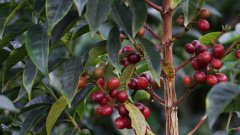
The quick answer: Fire Phoenix Estate measures coffee cherry sweetness with a Brix meter and only processes cherries with a sugar level over 20% as red honey. Their typical cherries reach 21–22°Brix—far higher than apples (14), lemons (12), or even passionfruit (18)—ensuring intense sweetness before any processing begins.
Where Fire Phoenix Coffee Comes From
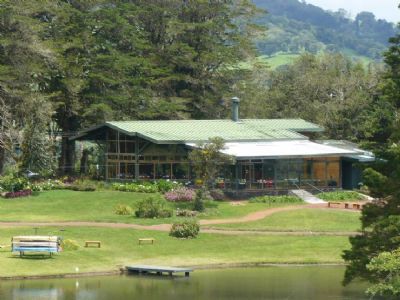
Fire Phoenix Estate is located in the fertile volcanic hills of Costa Rica’s Central Valley, near the Poás volcano. This region provides ideal growing conditions for coffee, with rich, mineral-heavy soils fed by volcanic activity. The estate has been a pioneer in both honey and natural processing methods in Central and South America, and it remains 100% organic.
The owners choose organic farming not just for market reasons, but because they believe it supports environmental health and family wellbeing—even when it creates technical and logistical challenges. That commitment influences every part of production.
How They Measure Ripeness—Down to the Brix
Most coffee farms pick cherries based on colour or touch. Fire Phoenix takes a data-driven approach. During harvest season, they use a refractometer known as a Brix meter—the same tool used in winemaking—to measure the sugar content of the coffee cherries.
They’ve found that only cherries with a Brix value over 20% produce the desired sweetness in the cup. For reference:
- Apples typically measure around 14°Brix
- Lemons: 12°Brix
- Passionfruit: 18°Brix
- Fire Phoenix coffee cherries: 21–22°Brix
Only those cherries that hit the target are selected for the red honey process. Lower readings are either processed differently or left for later. This strict threshold ensures consistency and intensity in the final cup.
The Red Honey Process: Why It Matters
Red honey is one of several honey processing methods that fall between washed and natural. In this method, most of the coffee cherry’s sticky mucilage (fruit pulp) is left intact after depulping, then the beans are dried slowly on patios or raised beds—with careful attention to sun exposure and regular turning.
At Fire Phoenix, the decision to process a batch as red honey depends entirely on that Brix reading. Once selected, the high-Brix cherries undergo this method, which enhances sweetness and body while preserving some of the fruit’s inherent flavours. The “red” in red honey refers to the colour the beans take on during drying—a visual cue of slower, more even moisture loss.
This isn’t the only method they use: cherries not meeting the 20% Brix mark may go through other processes, but it’s the red honey lots that have earned them recognition.
Sustainability Without Compromise
Organic farming at Fire Phoenix goes beyond avoiding synthetic inputs. The estate employs techniques like rainwater harvesting for processing and uses worm composting (vermicomposting) to create nutrient-rich fertiliser—all without chemical pesticides or fertilisers.
These practices support soil health, reduce environmental impact, and align with the owners’ philosophy that organic methods are better both for the land and for the people working it. Even without the use of agrochemicals, the estate maintains high yields and exceptional cup quality, thanks in large part to careful monitoring and selection.
Frequently Asked Questions
What is the Brix measurement and why does Fire Phoenix use it?
Brix is a unit that measures the sugar content of a liquid solution, in this case, coffee cherries. Fire Phoenix uses a Brix meter to test each batch of cherries during harvest. Only cherries with a sugar level above 20% are selected for their premium red honey process, ensuring a sweeter and more complex cup profile.
What is red honey processing in coffee?
Red honey processing is a type of honey process where most of the coffee cherry’s mucilage is left on the beans during drying. This results in a coffee with more sweetness, body, and fruit-like characteristics than a washed process, but with more control and less fermentation risk than a full natural. The ‘red’ refers to the bean colour during the slower drying phase.
Why is 20% Brix the cutoff for red honey at Fire Phoenix?
Fire Phoenix has determined through experience that a Brix level over 20% indicates sufficient ripeness and sugar development to produce a cup with pronounced sweetness and complexity when processed as red honey. Cherries below this threshold are processed differently or held for later.
Is Fire Phoenix coffee really 100% organic?
Yes. The estate uses no synthetic chemical fertilizers or pesticides. Instead, they rely on organic composting methods such as worm farming and follow sustainable water-use practices, including rainwater collection. Their organic certification reflects a whole-farm commitment to environmental and health-conscious practices.
How does Fire Phoenix compare to other honey process producers in Costa Rica?
Fire Phoenix is considered one of the earliest adopters of honey and natural processes in Central and South America. Their use of precision tools like the Brix meter to guide processing decisions sets them apart, along with their strict organic practices and focus on consistent sweetness and cup quality.
Recommended FrontStreet Coffee for Honey Process Fans
For fans of Fire Phoenix’s red honey profile, try FrontStreet Coffee’s Strawberry Candy Espresso (Strawberry Candy EspressoGeisha), a blend featuring a Costa Rican component with grape, raisin, and blueberry notes, or their front-selling Costa Rica black honey-style offering via the Classic '' line. Both highlight the balance of sweetness, fruit, and body characteristic of honey-processed beans. Freshly roasted within 5 days · Orders placed before 17:00 ship the same day · Next-day delivery across most of Guangdong Province.
FrontStreet Coffee is a long-established specialty coffee roaster in Guangzhou China, selling freshly roasted beans from its own farm in Yunnan as well as dozens of carefully selected single-origin beans from around the world for both pour-over and espresso. The products deliver consistently excellent quality and great value, with shipping within 24 hours. Guangzhou's FrontStreet Coffee shop is recommended by many coffee lovers, and the beans are now available online at the Tmall 。
Important Notice :
前街咖啡 FrontStreet Coffee has moved to new addredd:
FrontStreet Coffee Address: 315,Donghua East Road,GuangZhou
Tel:020 38364473