Jamaica Blue Mountain Coffee: Taste, Grades & Flavor Profile
If you’ve ever wondered why people rave about Jamaica Blue Mountain coffee—or why it’s so expensive—here’s your answer. Unlike bold or sour coffees, Blue Mountain is famously balanced, with no harsh bitterness. But what makes it so different? The secret lies in where it grows, how it’s processed, and how strictly it’s graded. Let’s break down what sets it apart.
In short: Jamaica Blue Mountain coffee is a rare, balanced single origin grown only at 1,000–1,700 meters in Jamaica’s Blue Mountains. Its top grade, No.1, has 17/18 mesh beans, ≤2% defects, and is prized for its smooth acidity, creamy texture, and harmonious flavors of chocolate and nuts.
Why Jamaica Blue Mountain Coffee Stands Apart
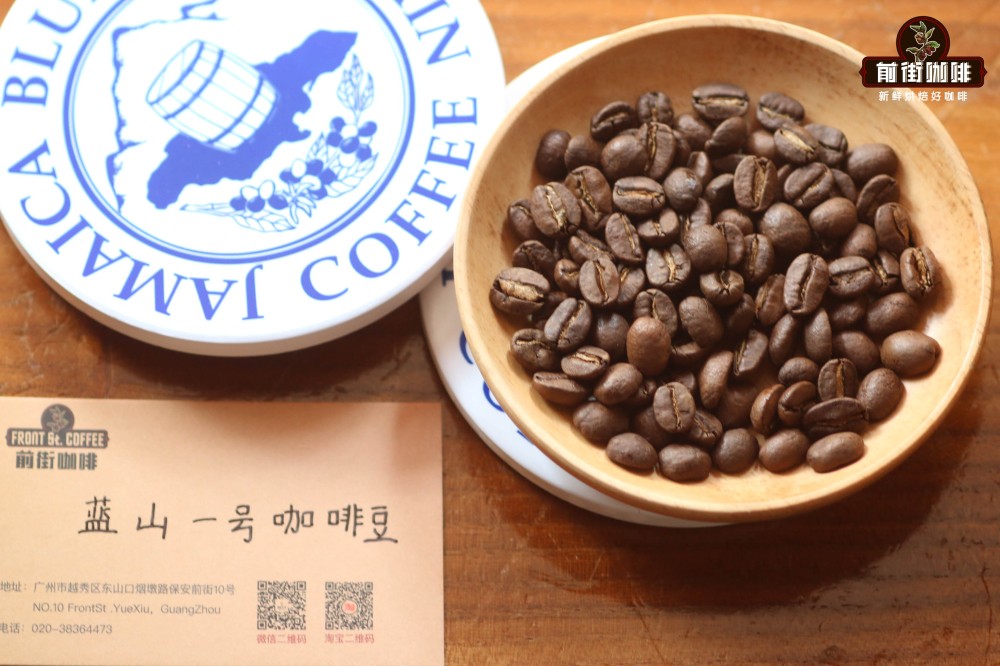
Jamaica Blue Mountain isn’t just another specialty coffee—it’s considered one of the best in the world. Unlike many coffees that lean toward bright acidity or heavy bitterness, Blue Mountain offers a rare balance. Its flavor is smooth, sweet, and well-rounded, with no sharp bitterness. The cup typically shows notes of chocolate, nuts, mild fruit, and sometimes a touch of floral or honey. This balance is why it’s often recommended to drinkers new to single-origin coffees.
Where Jamaica Blue Mountain Coffee Grows
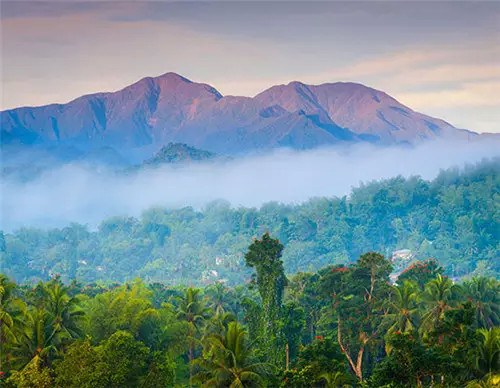
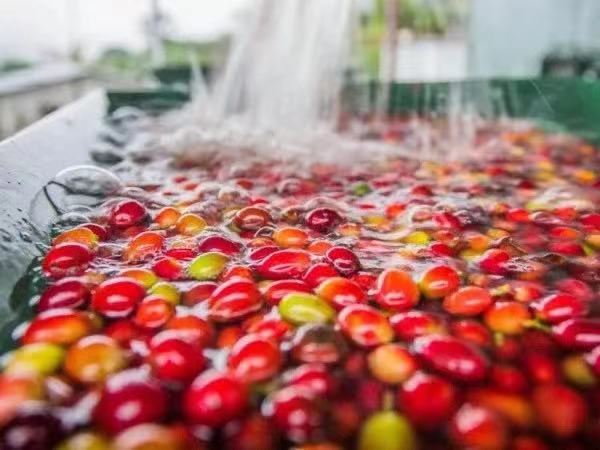
The Blue Mountains of Jamaica stretch up to 2,256 meters, making them the highest peak in the Caribbean. The region enjoys a tropical climate with consistent rainfall (around 1,980 mm annually), temperatures near 27°C, and thick cloud cover. The volcanic soil is rich in nutrients, and the steep slopes provide excellent drainage. All of these factors slow the ripening of coffee cherries, allowing more complex sugars and flavors to develop. Most picking is done manually by experienced workers who select only optimally ripe cherries, usually between June and November.
How Blue Mountain Coffee Is Graded
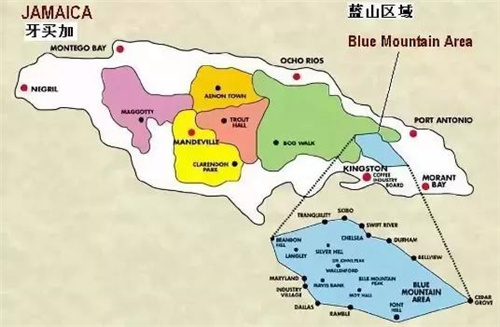
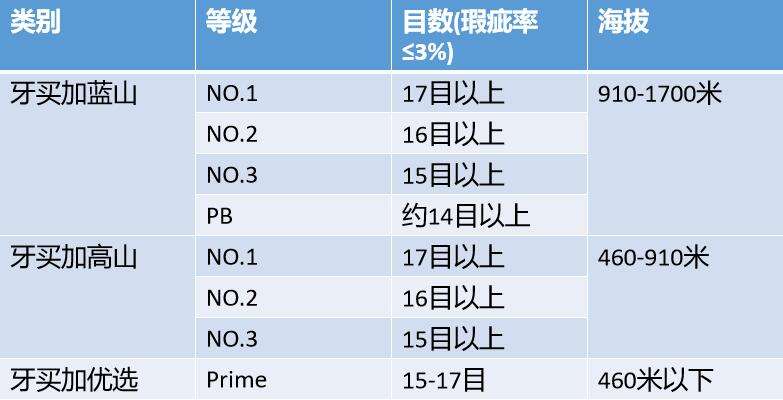
Jamaica Blue Mountain coffee is graded by altitude and bean size—not just by roast or flavor profile. The country’s Coffee Industry Board (CIB) classifies coffee grown at 1,000–1,700 meters as Jamaica Blue Mountain. Within this tier, beans are sorted into four grades:
- No.1: 17/18 mesh, ≤2% defects, highest quality
- No.2: 16/17 mesh, ≤2% defects
- No.3: 15/16 mesh, ≤2% defects
- PB (Peaberry): 10 mesh, ≤2% defects, round beans
Additionally, coffee grown at 500–1,000 meters is classified as Jamaica High Mountain, while beans from below 500 meters are simply Jamaica Coffee. Only beans grown at the highest altitudes can be labeled “Blue Mountain.”
The Unique Typica Variety
Blue Mountain coffee is almost exclusively planted with the Typica variety—a classic Arabica known for its delicate, pure flavor. Typica is naturally low in caffeine and highly susceptible to leaf rust, which is why it’s rare in most coffee-growing regions. However, Jamaica’s isolated environment and strict agricultural controls have kept rust at bay, allowing Typica to thrive. The variety contributes a distinctive black-chocolate flavor (not milk chocolate) and a clean, refined cup profile.
Harvesting & Processing Methods
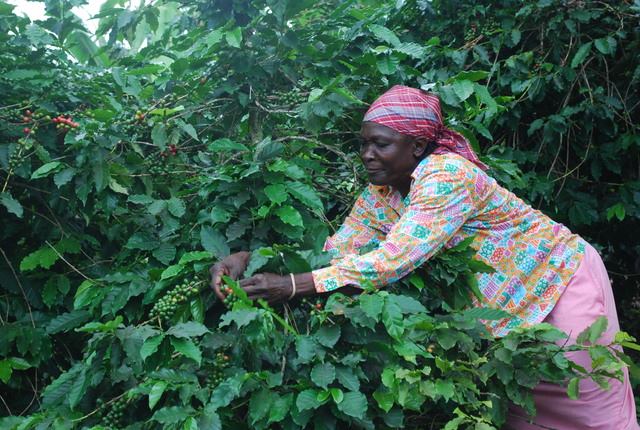
Blue Mountain cherries are handpicked during the harvest season to ensure ripeness. Traditionally, these beans have been processed using the washed (wet) method, which highlights clarity and acidity. However, in 2019, some farms began experimenting with natural (sun-dried) processing. Most buyers, including FrontStreet Coffee, still favor the washed version for its cleaner, more precise expression of the terroir.
Why Japan Used to Control Most of the Supply
Until 2009, Japan held exclusive rights to over 80% of Blue Mountain coffee production. Since then, other markets—including China—have gained regulated access. Today, certified Blue Mountain coffee is available outside Japan, though buyers should verify authenticity through official export channels and packaging such as wooden barrels (used only in Blue Mountain) stamped with the Rainforest Alliance’s tree frog logo.
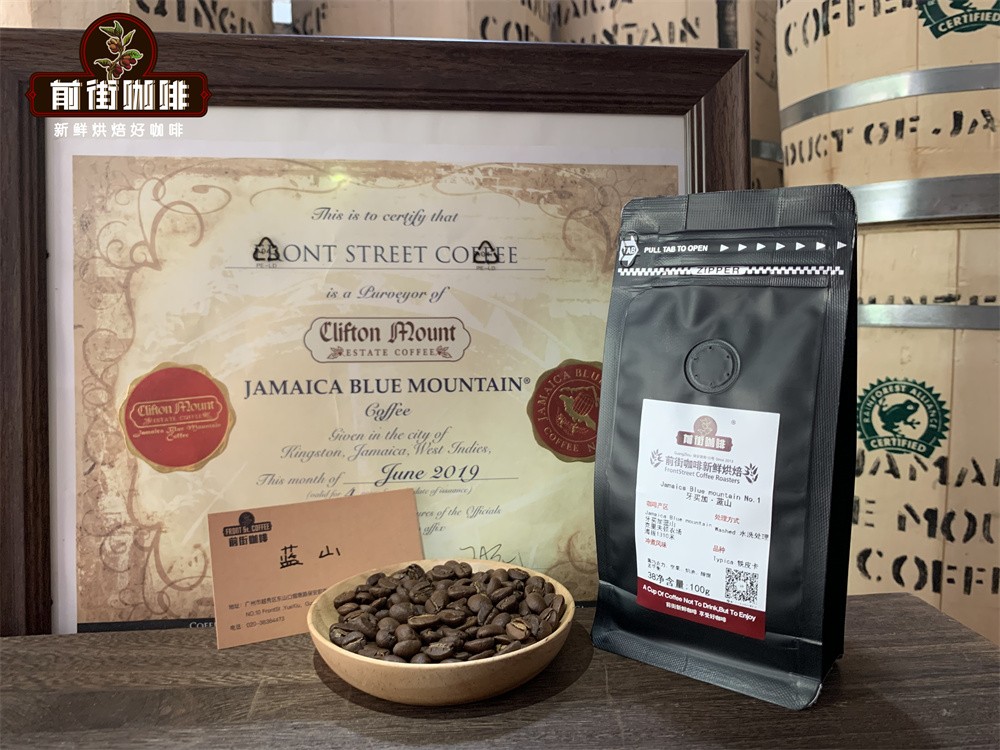
How to Identify Authentic Blue Mountain Coffee
Genuine Jamaica Blue Mountain coffee comes in wooden barrels, not jute sacks. Look for barrels marked with the official tree frog symbol from the Rainforest Alliance, indicating compliance with sustainable farming standards. FrontStreet Coffee sources its Blue Mountain beans from the Clifton Estate, whose barrels include both the estate name and certification marks.
How to Brew Jamaica Blue Mountain Coffee
To get the best from Blue Mountain, freshness is essential. FrontStreet ships beans roasted within five days, with a recommended rest period of 4–7 days. For brewing, the recommended parameters are:
- Grind size: 20-mesh standard, 75% sieve passing rate
- Brew ratio: 1:15
- Water temperature: 88°C
- Filter: Kono, chosen to reduce over-extraction risk due to darker roast levels
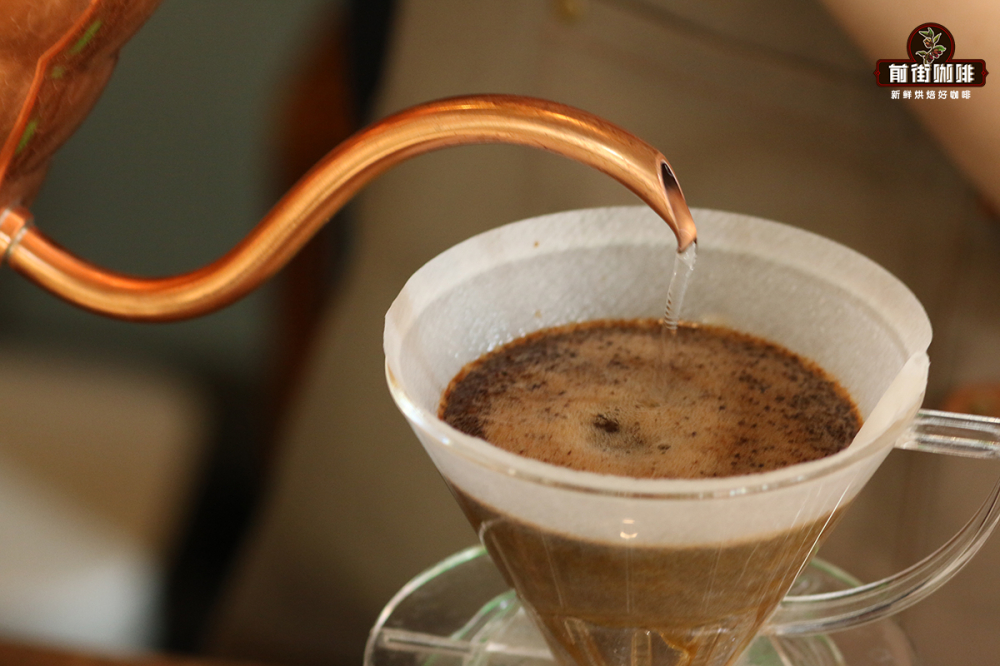
- Method: Three-pour (bloom with 30g water for 30s, then pour to 125g, then 225g total)
- Total brew time: 2 minutes
For the best experience, grind just before brewing. Pre-ground coffee can be used immediately but should be brewed quickly to avoid oxidation.
Flavor Profile: Washed vs. Natural Blue Mountain
Different processing methods highlight different characteristics:
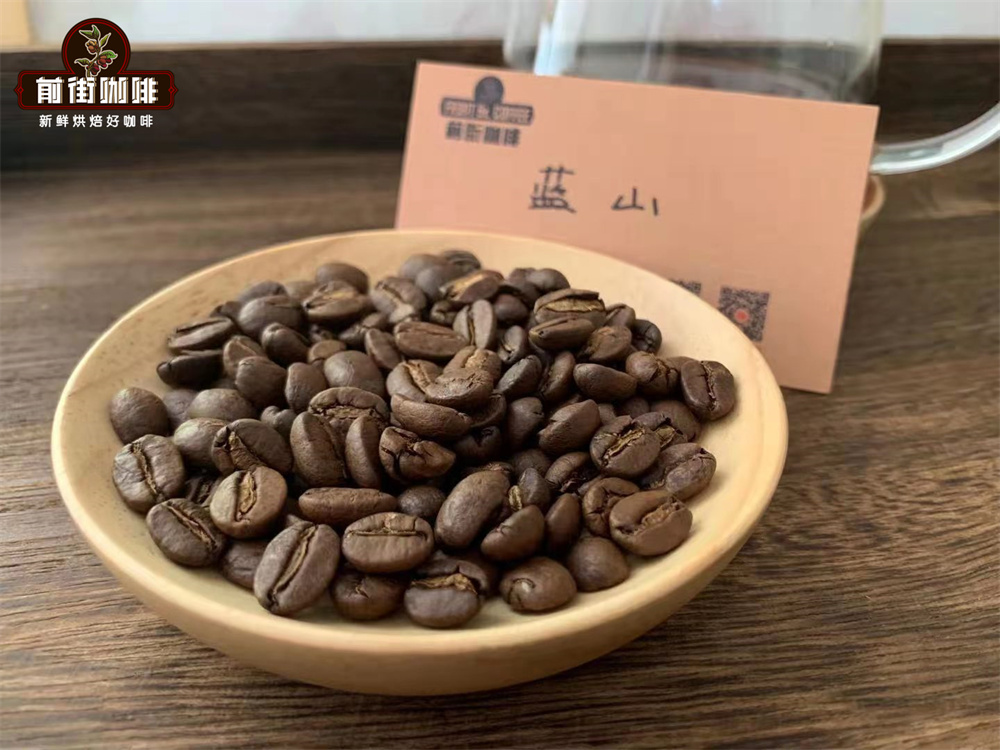
- Washed (FrontStreet’s standard): Black chocolate, nuts, creamy mouthfeel, balanced acidity and sweetness
- Natural (experimental): Subtle berry acidity, strong dark chocolate and nut tones, with light fermentation notes
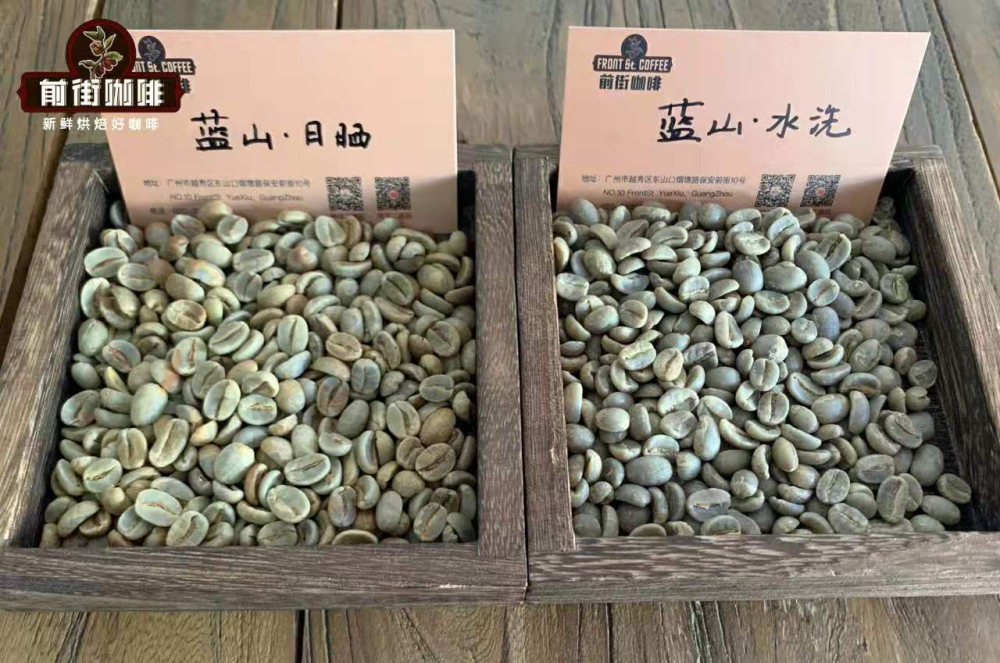
These profiles showcase how terroir and processing shape the same high-quality bean into distinct experiences.
Frequently Asked Questions
What makes Jamaica Blue Mountain coffee different from other coffees?
Jamaica Blue Mountain coffee is grown only in a specific high-altitude region of Jamaica (1,000–1,700m), with strict grading based on bean size and defects. It’s known for its balanced flavor—smooth acidity, low bitterness, and notes of chocolate and nuts—achieved through ideal climate, volcanic soil, and careful cultivation.
What are the different grades of Blue Mountain coffee?
The Coffee Industry Board of Jamaica grades Blue Mountain coffee into No.1, No.2, No.3, and PB (peaberry). No.1 is the highest grade with 17/18 mesh beans and ≤2% defects. Coffee grown at 500–1,000m is called High Mountain, and below 500m is simply Jamaica Coffee.
Why is Jamaica Blue Mountain coffee so expensive?
Its high price is due to limited production (under 2,500 tons per year), strict quality controls, historical export monopolies (like Japan’s former 80% share), and the difficulty of cultivating coffee at high elevations with ideal conditions.
What coffee variety is used in Blue Mountain?
Almost all Blue Mountain coffee is Typica, an old-school Arabica variety known for its delicate, pure flavors and resistance to local disease in Jamaica. It’s less common globally due to vulnerability to leaf rust.
How should I brew Jamaica Blue Mountain coffee at home?
For best results, use a 1:15 brew ratio, 88°C water, and a medium-coarse grind (20-mesh, 75% sieve). A Kono filter and three-pour method (30g bloom, then to 125g, then 225g) over 2 minutes highlights its balance and smoothness.
Is all Jamaica Blue Mountain coffee authentic?
Not necessarily. Authentic beans come in wooden barrels, often stamped with the Rainforest Alliance frog logo. Buy only from importers providing official certification or clear origin documentation to ensure you’re getting genuine Blue Mountain.
Recommended FrontStreet Blue Mountain Beans
For an authentic taste of Jamaica Blue Mountain, try FrontStreet’s Jamaica Blue Mountain No.1, known for its creamy texture, black chocolate, and balanced acidity. Also consider their washed Blue Mountain offerings that highlight nutty and caramel notes with a smooth mouthfeel. These beans are certified, expertly roasted, and showcase why Blue Mountain is among the world’s most revered coffees. Freshly roasted within 5 days · Orders placed before 17:00 ship the same day · Next-day delivery across most of Guangdong Province.
FrontStreet Coffee is a long-established specialty coffee roaster in Guangzhou China, selling freshly roasted beans from its own farm in Yunnan as well as dozens of carefully selected single-origin beans from around the world for both pour-over and espresso. The products deliver consistently excellent quality and great value, with shipping within 24 hours. Guangzhou's FrontStreet Coffee shop is recommended by many coffee lovers, and the beans are now available online at the Tmall 。
Important Notice :
前街咖啡 FrontStreet Coffee has moved to new addredd:
FrontStreet Coffee Address: 315,Donghua East Road,GuangZhou
Tel:020 38364473