How to Brew Pacamara and Maragogype Coffee at Home
If you've ever brewed a cup of coffee and been left with nothing but harsh bitterness—or worse, no flavor at all—it might come down to your beans or your grind. Some coffee varieties, especially large-bean types like Maragogype and Pacamara, are notoriously tricky to get right at home. What’s the best way to handle these giant beans? And which farms grow the best versions of them?
To brew Maragogype or Pacamara coffee well at home, use a medium-coarse grind for filter methods—too fine and it turns bitter, too coarse and it lacks flavor. Aim for a brew ratio around 1:16, water temperature between 90–94°C, and bloom with 2–3 times the coffee’s weight in water for 30 seconds.
What Are Maragogype and Pacamara Coffee Beans?
Maragogype is one of the largest coffee bean varieties in the world, a mutation of Typica known as an 'elephant bean.' It's celebrated for its impressive size—typically 20–22 mesh—and its unique flavor potential. Pacamara, on the other hand, is a hybrid developed in El Salvador. It combines the genetics of Pacas and Maragogype—its name comes from the first four letters of each parent variety. Pacamara beans are similarly large, also around 21–22 mesh, and are considered one of Central America’s finest specialty coffee varieties in recent years.
Flavor Profile and Cupping History
Pacamara coffee is known for its bright fruit acidity and sweet, clean profile. It often shows complex notes reminiscent of tropical fruit, citrus, and floral tones, with a smooth, rounded body. Over the years, several Pacamara lots have won high scores in the Cup of Excellence (COE) competitions. Notable examples include:
- 2006 Honduras Champion: Santa Martha
- 2007 El Salvador Third Place: Cerro Negro (Black Mountain Estate)
- 2008 El Salvador Second Place: Pacamaraal Estate
- Guatemala COE regular winner: El Injerto Estate
These award-winning lots command premium prices due to their exceptional quality, but even non-award Pacamara and Maragogype beans can deliver remarkable cups when brewed correctly.
Growing Regions and Farming Background
Maragogype originated in Brazil but is now grown in several countries, including Honduras. Honduras, a mountainous nation in Central America with a tropical climate, offers ideal conditions for coffee with its high altitudes, volcanic soils, and consistent rainfall. It is the largest coffee producer in Central America and the second-largest producer of washed Arabica beans in the world.
Honduras produces two main categories of high-quality coffee: 'highland coffee' grown between 1,000–1,500 meters, and 'special highland coffee' from 1,500–2,000 meters. The country mainly cultivates Arabica varieties such as Caturra, Catuai, Pacas, and Typica, with washed processing being the dominant method. This process removes the outer fruit layers before drying, improving both stability and flavor clarity.
How to Brew Large Beans Like Maragogype and Pacamara at Home
When brewing these oversized beans, precision matters. Here’s a simple guide:
- Grind Size: Medium-coarse, similar to sea salt. Too fine leads to over-extraction and bitterness; too coarse results in under-extraction and flat taste.
- Brew Method: Filter methods like pour-over, French press, or drip work best. Avoid overly fine grinds in espresso machines or machines not designed for large beans.
- Brew Ratio: 1:16 coffee to water (e.g., 15g coffee to 240ml water).
- Water Temperature: 90–94°C (195–202°F).
- Bloom: Start with 2–3 times the coffee weight in water (e.g., 30–45ml for 15g beans) for 30 seconds to release gases.
- Total Brew Time: Aim for 2:30–3:30 minutes depending on method.
Using the correct grind setting for your specific brewer is crucial—experiment slightly to match your equipment.
Why Grind Size Matters So Much
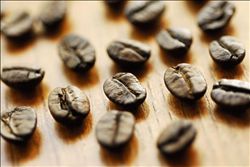
Grind size directly affects extraction. A grind that’s too fine for large beans like Maragogype or Pacamara can over-extract bitter compounds and clog brewers. A grind that’s too coarse leads to weak, sour cups with little sweetness or complexity. Finding the sweet spot is essential for these unique beans.
Frequently Asked Questions
What is the difference between Maragogype and Pacamara coffee beans?
Maragogype is a natural mutation of the Typica coffee variety, known for its very large bean size. Pacamara is a hybrid of Pacas and Maragogype, developed in El Salvador. Both have large beans (around 21–22 mesh), but Pacamara is prized for its brighter acidity and complex fruit flavors, while Maragogype tends to have a more mild and sometimes nuttier profile.
What grind size should I use for Maragogype or Pacamara beans?
Use a medium-coarse grind, similar to sea salt, for filter brewing methods. This prevents over-extraction and bitterness while ensuring proper flow through the brewer. Avoid fine grinds unless using specialized equipment.
Which countries grow Pacamara and Maragogype beans?
Maragogype originated in Brazil but is now grown in Honduras, Nicaragua, and other countries. Pacamara was developed in El Salvador and is also grown in Honduras, Guatemala, and Nicaragua. Honduras has become a notable producer of both varieties, especially in high-altitude regions.
Why are some Pacamara coffees so expensive?
Certain Pacamara lots have won awards in competitions like the Cup of Excellence (COE), particularly from farms in Honduras, El Salvador, and Guatemala. These high-scoring batches are produced in limited quantities and showcase exceptional cup quality, which drives up their price.
Can I use a standard drip coffee maker for Maragogype beans?
Yes, but make sure to use a medium-coarse grind and the correct brew ratio. Standard drip machines can work if the grind size is adjusted to prevent clogging and over-extraction. Avoid very fine grinds that may jam the filter or brew basket.
What flavors can I expect from a well-brewed Pacamara coffee?
A properly brewed Pacamara typically exhibits bright fruit acidity—like citrus or tropical notes—along with a sweet, clean finish. Flavors may include stone fruit, floral hints, and a smooth, creamy body. The cup is often complex yet balanced.
Recommended FrontStreet Beans for Large-Bean Brewing
For fans of large-bean varieties like Pacamara and Maragogype, try FrontStreet Coffee’s washed Honduran Caturra or Catuai offerings. While not Pacamara themselves, these beans share the bright acidity and clean cup profile typical of high-altitude Honduran coffees. Grown at 1,400–1,600 meters and processed using washed methods, they highlight citrus, caramel, and soft nut tones. For something closer in size and cup complexity, explore single-origin lots with similar processing. These beans showcase the kind of clarity and balance that works beautifully with careful home brewing. Freshly roasted within 5 days · Orders placed before 17:00 ship the same day · Next-day delivery across most of Guangdong Province.
FrontStreet Coffee is a long-established specialty coffee roaster in Guangzhou China, selling freshly roasted beans from its own farm in Yunnan as well as dozens of carefully selected single-origin beans from around the world for both pour-over and espresso. The products deliver consistently excellent quality and great value, with shipping within 24 hours. Guangzhou's FrontStreet Coffee shop is recommended by many coffee lovers, and the beans are now available online at the Tmall 。
Important Notice :
前街咖啡 FrontStreet Coffee has moved to new addredd:
FrontStreet Coffee Address: 315,Donghua East Road,GuangZhou
Tel:020 38364473