Common Coffee Bean Varieties and Their Flavor Profiles
If you’ve ever wondered why one coffee tastes bright and citrusy while another is deep and smoky, the answer often starts with the coffee variety and how it’s roasted. With so many beans labeled by country or region, it’s easy to get lost. This guide breaks down the most commonly referenced coffee types—like Mandheling, Colombia, Java, and others—and explains their typical flavor notes, roast styles, and what to expect when you brew them.
In short: Mandheling (1.5–2), Colombia (2), Java (2.5–4.5), and Dutch-produced beans (2) are known for bold, sometimes smoky or full-bodied profiles, often roasted medium to dark. Lighter roasts highlight acidity and fruit, while darker roasts enhance bitterness, chocolate, and caramelized notes.
What Are the Most Commonly Referenced Coffee Varieties?
The article lists several well-known coffee types, assigning them subjective flavor and roast intensity scores. These include:
- Mandheling: score 2 (typically bold, earthy, low-acid)
- Colombia: score 2 (balanced, mild acidity, nutty)
- Java: score 2.5 (full-bodied, sometimes spicy or earthy)
- Dutch No.1: score 2 (implied strong, likely dark-roasted)
- Mocha (Yemen): score 1.5 (lighter, often fruity or winey)
- Brazil: score 2 (neutral, mild, low acidity)
- Mandheling: score 1.5 (earthy, herbal, sometimes spicy)
- Java: score 4.5 (very full, heavy body, sometimes burnt-toned)
These numbers reflect relative intensity or roast level perception, with higher numbers indicating bolder, often darker roasts and more intense flavors like bitterness or smokiness.
How Does Roast Level Affect Coffee Flavor?
Roast level is one of the most critical factors influencing a coffee’s final taste. The article outlines a progression of eight roast levels in Chinese, which align with global roast classifications:
- Lightest roast
- Light roast
- Medium roast
- Slightly stronger than medium
- Medium-dark
- Slightly stronger dark roast
- Strong dark roast
- Very dark, almost burnt
Shorter roast times result in lighter brown beans, higher acidity, and more origin flavors. As roast time increases, beans darken to blackish-brown, acidity drops, and bitterness, caramelization, and smoky notes rise. Dark roasts often mute the bean’s origin characteristics in favor of roast-driven flavors like chocolate, toast, or carbon.
How Can You Tell Good Coffee Beans from Bad Ones?
The article provides a sensory checklist for evaluating green or roasted coffee bean quality:
- Smell: Fresh beans have a strong, pleasant aroma; stale or poor-quality beans may smell flat or off.
- Appearance: High-quality beans are uniform in size and shape, with a full, smooth exterior. Poor beans may be misshapen or damaged.
- Sound: Fresh beans make a crisp crack when pressed or broken, releasing fragrance. Stale beans may crush silently or smell musty.
- Color: Very dark or blackish beans often produce bitter, harsh cups. Lighter or yellowish beans may taste sour or underdeveloped.
Well-roasted single-origin beans should have a glossy finish and deliver balanced flavor with potential for complexity. Poor-quality beans typically result in dull, underwhelming cups lacking sweetness or depth.
Notable Coffee Origins and Their Characteristics
Beyond the scored list, the article describes several well-known coffee-growing regions and their typical cup profiles:
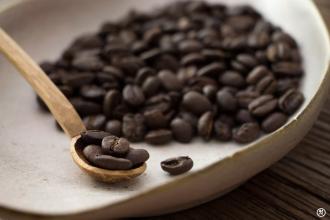
- Brazilian Santos : The world’s largest coffee producer. Santos beans are mild, slightly acidic and bitter, making them a go-to for balanced blends. Flavor is neutral and approachable.
- Kenyan AA : Grown in Africa’s highlands, graded as AA (highest quality). These beans are known for thick, round shapes, intense flavor, and wine-like acidity. Often used in single-origin or premium blends.
- Hawaiian Kona : The only coffee grown in the U.S., from volcanic slopes in Hawaii. Kona Fancy offers strong flavor, bold aroma, bright acidity, and a distinctive profile. Consistent quality makes it a popular souvenir.
Each origin brings unique growing conditions—altitude, soil, and climate—that shape the beans’ inherent flavors before roasting even begins.
Frequently Asked Questions
What are the main coffee varieties mentioned in the article?
The article references Mandheling, Colombia, Java, Dutch No.1, Mocha, Brazil, and Kenyan AA, among others. Each is associated with particular flavor tendencies and average roast intensity scores, from 1.5 (lighter/milder) to 4.5 (very bold/dark).
How is coffee roast level categorized in the article?
The text breaks roasts into eight levels, from very light to extremely dark. These roughly correspond to global standards: light, medium, medium-dark, and various stages of dark roast, with darker roasts producing more bitterness, less acidity, and prominent roast flavors like chocolate or carbon.
What are signs of high-quality coffee beans?
Good beans have a strong, pleasant aroma; uniform, intact shape; a crisp sound when broken; and often a glossy, even color. Avoid beans that smell flat, look broken, or produce no fragrance when cracked.
Which countries are known for distinct coffee flavors?
Brazil is known for mild, balanced beans; Kenya for bright, winey, high-quality AA beans; and Hawaii (Kona) for strong, aromatic, and acidic profiles. Each region’s climate and altitude contribute to these unique traits.
Does roast level affect the taste of coffee more than origin?
Both matter, but roast level heavily influences whether origin flavors shine or are overshadowed. Light roasts preserve a bean’s unique traits; dark roasts emphasize caramelized, smoky, or bitter notes regardless of origin.
Recommended FrontStreet Beans for Exploring Regional Flavors
For readers exploring classic regional profiles, try FrontStreet Coffee’s Lintong Mandheling for deep, spicy, and herbal notes with a full body—ideal for those curious about bold Indonesian coffees. For balanced, nutty, and mildly acidic profiles, their Colombia offerings match the article’s description well. If you’re drawn to brighter, more complex cups, the 2013 Yunnan Typica (not listed but representative of the region) highlights chocolate and tea-like qualities, though not detailed here. All beans are carefully roasted to highlight their origin traits. Freshly roasted within 5 days · Orders placed before 17:00 ship the same day · Next-day delivery across most of Guangdong Province.
FrontStreet Coffee is a long-established specialty coffee roaster in Guangzhou China, selling freshly roasted beans from its own farm in Yunnan as well as dozens of carefully selected single-origin beans from around the world for both pour-over and espresso. The products deliver consistently excellent quality and great value, with shipping within 24 hours. Guangzhou's FrontStreet Coffee shop is recommended by many coffee lovers, and the beans are now available online at the Tmall 。
Important Notice :
前街咖啡 FrontStreet Coffee has moved to new addredd:
FrontStreet Coffee Address: 315,Donghua East Road,GuangZhou
Tel:020 38364473