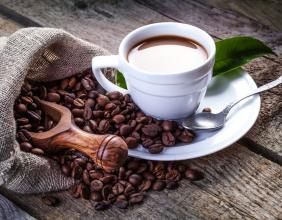
Best Home Coffee Machines and Cups for Brewing Coffee Beans
If you’ve ever wondered why your homemade coffee never tastes like the rich, balanced cup from your favorite café, the answer might not be your skill — it could be your tools, beans, or technique. Many coffee lovers in China brew at home using everything from drip machines to French presses, yet few know which methods, machines, or cups truly bring out the best in their beans.
The best home coffee machine depends on your preferred brew method — whether that’s a moka pot, French press, pour-over, or espresso machine. For most home brewers, a machine or device that lets you control brew ratio, water temperature, and grind size will produce the most consistent and satisfying results. The ideal coffee-to-water ratio is 1:18, with water at around 92°C.
How to Choose the Right Coffee for Brewing
Forget trends or brand hype — the best coffee is the one that works for you. Whether you prefer the convenience of a drip machine or the theatre of a siphon, the right method is the one you enjoy most. Some drinkers love the ritual of a French press, others the boldness of a moka pot, and some the clarity of a pour-over. The key is choosing a method you’ll use consistently and enjoy.
Why Freshness Matters: Buy Coffee Beans with Roast Dates
Freshness is critical to great coffee. In specialty coffee, coffee beans are treated like fresh produce. A roasted coffee bean’s peak flavours develop shortly after roasting and begin to fade after about seven days. Always choose coffee beans with a clearly marked roast date. Avoid beans without a roast date or those more than seven days old — even if they’re unopened. Freshly roasted beans retain volatile aromatics and complex flavours that make a noticeable difference in your cup.
The Role of Water in Coffee Brewing
Water makes up over 98% of your coffee, so its quality directly impacts taste. Using tap water with odours or impurities can ruin even the best beans. A basic water filter pitcher can remove chlorine and sediments, improving taste significantly. Avoid distilled or reverse-osmosis water, which lacks the minerals needed for proper extraction. If your tap water is poor, consider using filtered or clean spring water. The goal is clean, neutral water that doesn’t overpower the coffee’s natural flavours.
How Much Coffee Should You Use?
Using the right amount of coffee is fundamental. Too little results in weak, sour coffee; too much leads to bitterness. The standard recommendation is 15 grams (about two level tablespoons) of coffee beans or ground coffee for every 180 ml (6 oz) of water. This 1:18 brew ratio is a reliable starting point for balanced extraction. Adjust based on your taste preferences and brew method, but keep the ratio consistent for repeatable results.
Getting the Water Temperature Right
Water temperature is another critical variable. The optimal range for brewing coffee is between 88°C and 94°C. Water that’s too hot (just off a rolling boil) can over-extract the coffee, leading to bitterness. Let boiled water sit for 1–2 minutes to cool slightly before pouring. Consistent temperature helps achieve even extraction and balanced flavour in every cup.
Cleaning Your Coffee Equipment
Clean equipment is essential for good coffee. Unlike tea, coffee oils can go rancid and spoil flavour. Never “season” your coffee gear like a Yixing teapot. Rinse all parts — including group heads, portafilters, French press filters, and moka pots — thoroughly after each use. Allow them to dry in a well-ventilated area. Residual oils or old coffee grounds will create off-flavours and ruin your brew.
Drink Your Coffee Fresh
Coffee peaks soon after brewing and deteriorates quickly. Flavour and aroma compounds start to degrade within minutes. For the best experience, drink your brewed coffee within ten minutes of finishing the brew cycle. Leaving it on a warming plate or in a sealed carafe for hours leads to stale, flat-tasting coffee. If you need to keep it warm, transfer to a preheated thermal carafe, but aim to drink it as soon as possible.
Coffee Brewing Tips and Common Mistakes
- Always dry the lower part of your moka pot or similar device — water droplets can cause uneven heating or metallic tastes.
- When removing the upper part of a moka pot, tilt it to the right, then lift straight up to avoid breaking the glass.
- Ensure the filter spring is tight and properly hooked under the funnel; align the filter basket centrally.
- Insert the upper part firmly and fully to ensure a proper seal.
- Avoid using mineral water, distilled water, or hard tap water. Stick to filtered, neutral water — not bottled mineral water.
Frequently Asked Questions
What’s the best home coffee machine for brewing coffee beans?
The best machine depends on your preferred method. For espresso, a home espresso machine with precise temperature and pressure control is ideal. For immersion brewing, a French press or AeroPress works well. Siphons (vacuum pots) offer a theatrical experience, while pour-over devices like V60 or Chemex provide clean, bright cups. A moka pot is great for stove-top espresso-style coffee. Choose one that lets you control brew ratio, water temp, and grind size for the most consistent results.
What coffee-to-water ratio should I use at home?
The recommended ratio is 1:18 — approximately 15 grams of coffee to 180 ml (6 oz) of water. This ratio balances strength and extraction. You can adjust based on taste, but keeping it consistent helps refine your preferred profile.
What water temperature is best for brewing coffee?
Ideal brewing temperature is between 88°C and 94°C. Avoid boiling water (100°C), as it over-extracts and causes bitterness. Let boiled water rest 1–2 minutes before brewing.
How long should I wait before drinking freshly brewed coffee?
For the best flavour, drink your coffee within 10 minutes of brewing. Coffee left sitting on a warmer or in an open cup loses aroma and develops off-flavours quickly.
Do I really need to clean my coffee maker after every use?
Yes. Coffee oils and residue build up quickly and turn rancid, creating bad flavours. Rinse all parts thoroughly after each brew, especially portafilters, moka pots, French press filters, and drippers. Don’t let old coffee oils ruin your fresh beans.
Can I use any water to brew coffee?
No. Use clean, filtered water free of chlorine, heavy minerals, or odours. Avoid distilled or RO water, which lacks minerals needed for proper extraction. Good water is as important as good beans.
Recommended FrontStreet Beans for Home Brewing
For home brewing, FrontStreet Coffee’s Specialty Blend offers a balanced profile with notes of black chocolate and caramel, ideal for espresso or milk drinks. The Black Cocoa Blend, featuring Yunnan Arabica and Brazilian beans, delivers smooth cocoa and nuttiness, perfect for French press or moka pot. For brighter, fruitier cups, try the Ethiopia Huakui — its natural process highlights strawberry, mango, and cream notes, great for pour-over or cold brew. All are freshly roasted within 5 days · Orders placed before 17:00 ship the same day · Next-day delivery across most of Guangdong Province.
FrontStreet Coffee is a long-established specialty coffee roaster in Guangzhou China, selling freshly roasted beans from its own farm in Yunnan as well as dozens of carefully selected single-origin beans from around the world for both pour-over and espresso. The products deliver consistently excellent quality and great value, with shipping within 24 hours. Guangzhou's FrontStreet Coffee shop is recommended by many coffee lovers, and the beans are now available online at the Tmall 。
Important Notice :
前街咖啡 FrontStreet Coffee has moved to new addredd:
FrontStreet Coffee Address: 315,Donghua East Road,GuangZhou
Tel:020 38364473